IMD Issues Yellow Alert for Delhi Rain and Thunderstorms in June 2025
IMD’s yellow alert for Delhi-NCR until June 19, 2025, warns of thunderstorms and winds, causing disruptions but relieving heatwaves.IMD issues yellow alert for Delhi-NCR until June 19, 2025, forecasting thunderstorms and winds, impacting travel and infrastructure.
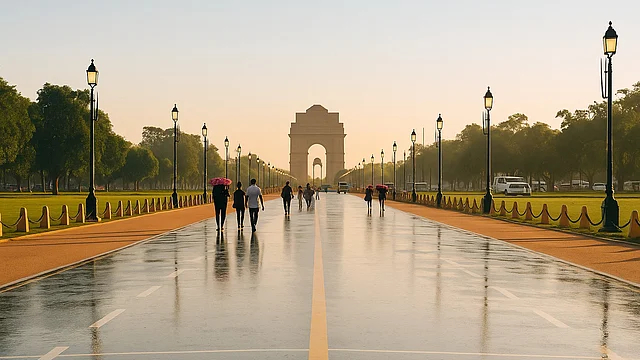
The India Meteorological Department (IMD) issued a yellow alert for Delhi-NCR until June 19, 2025, forecasting thunderstorms, lightning, and gusty winds. The alert follows heavy rainfall that brought relief from heatwaves but caused disruptions like waterlogging and flight delays. This weather event reflects India’s increasing climate variability, impacting urban infrastructure and public safety.
Delhi recorded heavy rainfall on June 16, 2025, easing prolonged heatwaves but triggering waterlogging and traffic congestion. The IMD’s yellow alert, effective until June 19, predicts light to moderate rainfall, thunderstorms, and winds of 50-60 kmph, particularly at night. Temperatures are expected to reach 35°C during the day and 24.2°C at night. The alert warns of potential traffic disruptions, flight delays, and risks to livestock and outdoor workers.
The rainfall is part of the southwest monsoon’s second phase, which has brought heavy showers to southern and western states like Maharashtra and Karnataka. Delhi’s urban infrastructure, strained by poor drainage, led to waterlogging in areas like South Delhi, with 12 flights diverted at Delhi Airport on June 16. The IMD’s Bharat Forecast System, adopted in May 2025, provides precise weather predictions at a 6x6 km resolution, aiding disaster preparedness.
The monsoon’s early onset, driven by atmospheric factors like the Madden Julian Oscillation, has supported agriculture but poses challenges for urban centers. Delhi’s heatwave, with temperatures hitting 43.8°C on June 11, underscores the need for climate-resilient infrastructure. The India Cooling Action Plan promotes passive cooling techniques, but poor urban heat retention exacerbates nighttime conditions.
Challenges include managing flash flood risks and upgrading drainage systems. The government is investing in climate-smart housing under PMAY 2.0 to enhance resilience. Public advisories urge residents to avoid non-essential travel and stay indoors during storms, reflecting the need for adaptive urban planning.
Conclusion
The IMD’s yellow alert for Delhi highlights the challenges of managing extreme weather in urban areas. While rainfall offers heatwave relief, it exposes infrastructure gaps. Investments in forecasting and resilient design are critical to mitigating climate impacts and ensuring public safety.
Source: Outlook Business
What's Your Reaction?