India and Nepal Strengthen Cooperation on Clean Energy and Biodiversity
India and Nepal are enhancing cooperation in clean energy and biodiversity conservation, focusing on regional collaboration to address climate change impacts on the Himalayan ecosystem.
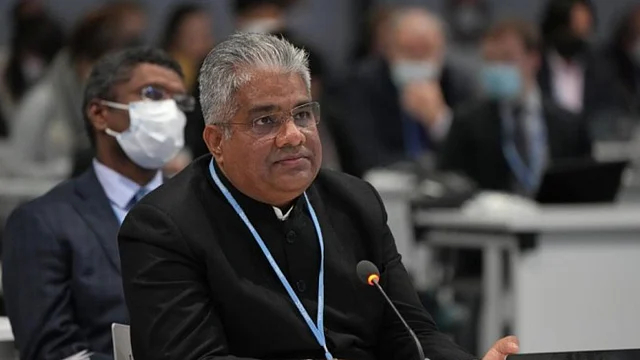
In a significant move towards regional environmental collaboration, India's Environment Minister Bhupender Yadav met with Nepal's Prime Minister K P Sharma Oli and other key officials in Kathmandu. The discussions centered on enhancing bilateral cooperation in clean energy and biodiversity conservation. The meetings took place during the 'Sagarmatha Sambaad' (Mountain Dialogue), focusing on "Climate Change, Mountains, and the Future of Humanity."
Minister Yadav's visit to Nepal underscored India's commitment to addressing climate change and promoting sustainable development in the Himalayan region. During his meeting with Prime Minister Oli at the official residence in Baluwatar, both leaders expressed a shared interest in deepening ties related to clean energy and biodiversity conservation. They acknowledged the importance of collaborative efforts to protect natural resources and mitigate the impacts of climate change on mountainous ecosystems.
The discussions also highlighted the need for regional cooperation involving neighboring countries like Bangladesh to address environmental challenges collectively. Prime Minister Oli proposed organizing a regional conference to deliberate on protecting mountain environments and addressing carbon emissions' effects.
In addition to meeting the Prime Minister, Minister Yadav held discussions with Nepal's Foreign Minister Arzju Rana Deuba and his counterpart, Forest and Environment Minister Ain Bahadur Shahi Thakuri. These meetings emphasized the mutual interest in developing joint strategies for clean energy initiatives and biodiversity preservation.
The 'Sagarmatha Sambaad' provided a platform for stakeholders from various countries to engage in dialogue on climate change's impact on mountainous regions. Minister Yadav's participation reflected India's proactive approach to environmental issues and its willingness to collaborate with neighboring countries to achieve sustainable outcomes.
Conclusion
The meetings between Indian and Nepali leaders signify a step forward in regional cooperation on environmental matters. By focusing on clean energy and biodiversity conservation, both countries aim to address the pressing challenges posed by climate change. The proposed regional conference could further solidify collaborative efforts, ensuring the protection of the Himalayan ecosystem for future generations.
What's Your Reaction?