India Eases Commercial Plantation Rules, Raising Conservation Concerns
The Ministry of Environment has changed the rules to let companies and governments plant commercial trees in forests without paying NPV fees or planting new trees elsewhere. Experts warn this could damage forests and harm wildlife.
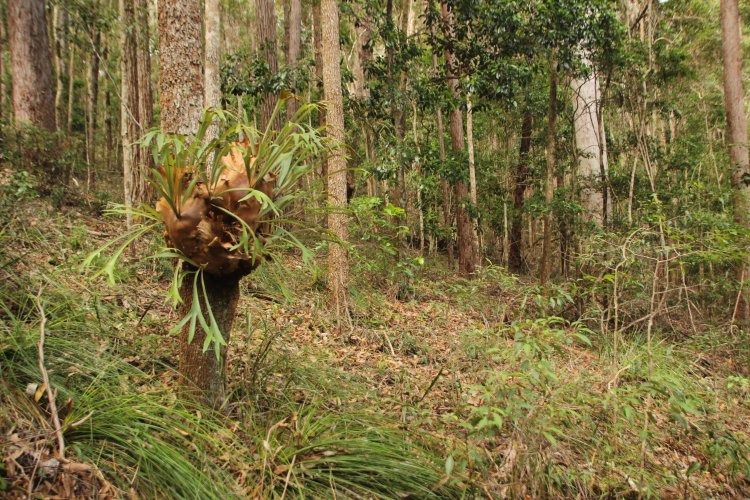
The Ministry of Environment, Forests and Climate Change (MoEFCC) has amended guidelines under the 2023 forest law Van (Sanrakshan Evam Samvardhan) Adhiniyam, (earlier called the Forest Conservation Act), to allow commercial plantations in forest areas without key environmental safeguards.
Under the amendment notified on 2 January 2026, private and government entities will be able to undertake plantations in forest land if they are approved by state forest departments through working and management plans. These plantations will now be classified as forestry activities, removing basic requirements such as payment of Net Present Value (NPV) and undertaking compensatory afforestation that were previously mandatory when forest land was used for non‑forest or commercial purposes.
NPV is a one‑time charge calculated to reflect the value of ecosystem services lost when forest land is diverted, including biodiversity, water regulation and carbon sequestration. Compensatory afforestation requires creating new forest cover elsewhere in lieu of land diverted. Exempting these obligations removes major financial and ecological safeguards that aimed to ensure forest conservation.
According to MoEFCC documents, the change was influenced by concerns over India’s increasing dependence on imported pulp, paper and related products, which nearly doubled in recent years, prompting calls to boost domestic plantation forestry. A committee under the ministry had discussed this issue in late 2025 and recommended easing restrictions to facilitate plantation activity.
The new rule also instructs state governments to make their own plans for utilisation and revenue sharing from such plantations. Some people say this could help grow more forests and reduce India’s need to import wood and related products. However, environmental experts warn that removing NPV and compensatory afforestation obligations harm the forests and wildlife.
According to people who oversee guarding forests, as well as former officials in the government, it is believed that this legal requirement will make it possible for corporations to develop the land in the forests to conduct business without much government regulation. This is because rapidly growing monoculture trees, such as eucalyptus trees, may cover up natural forests.
Some politicians have also raised concerns, arguing that this could lead to private companies taking control of forests and weaken the long-standing rules meant to protect forests and wildlife.
What's Your Reaction?