India plans to cut steel emissions 25% while expanding capacity to 400 million tons by 2035, boosting jobs
A Dual Push: Growth and Decarbonization
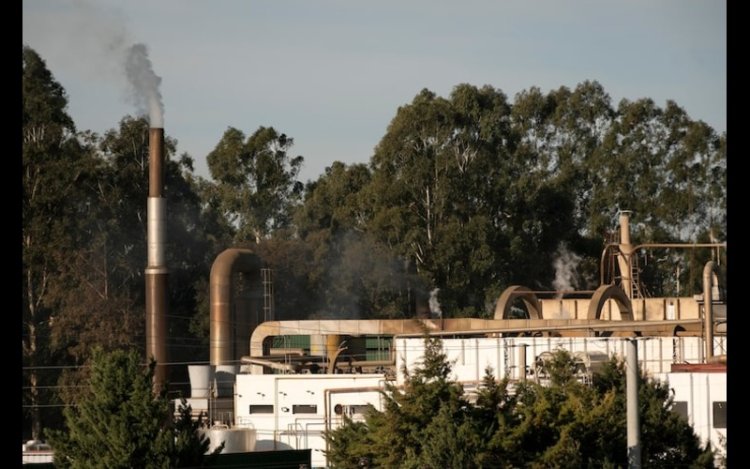
India is preparing a major change in its steel sector. The goal is to balance industrial growth with climate responsibility under the draft National Steel Policy 2025. The government plans to reduce emissions intensity in steel production by nearly 25% while also increasing capacity to 400 million tons by 2035–36. This ambitious plan shows a wider shift toward reducing steel emissions, implementing green steel policies, and creating a low-carbon steel production strategy that supports sustainable industrial growth. The country is focusing on economic growth alongside environmental priorities.
Steel is one of the most carbon-heavy industries, contributing about 10–12% of India’s total greenhouse gas emissions. The policy suggests cutting emissions from about 2.65 metric tons of CO₂ per ton of finished steel to 2 tons by 2035–36. This move will bring India closer to global averages. This transition is crucial for reaching the country’s long-term net-zero target by 2070 while keeping its status as a leading steel producer.
Global Pressure and Trade Realignment
India’s policy change comes during increasing global pressure to decarbonize heavy industries, especially with changing trade regulations. The European Union’s carbon border tariff has added extra costs on high-emission imports like steel. This situation is forcing exporters to rethink how they produce steel and their market strategies.
These changes are already affecting trade patterns, with Indian steelmakers facing higher compliance costs in major export markets. In response, the policy includes plans to diversify export markets while aiming to double steel exports to 20 million tons by 2035–36. This shift shows that environmental regulations are becoming essential for global trade competitiveness.
Transitioning to Cleaner Technologies
A key part of the policy is moving from coal-based steelmaking to cleaner options. India plans to increase gas-based production, boost the use of scrap steel, and provide incentives for continuous emissions reductions.
However, this transition encounters significant infrastructure challenges. Currently, only a small part of the industry can access gas pipeline networks. About 21% of blast furnace capacity and just 5% of direct reduced iron capacity have this access. This limitation restricts the immediate use of cleaner technologies and shows the urgent need for infrastructure development.
To tackle these gaps, the policy stresses cooperation among ministries, especially with the oil and gas sector, to secure fuel supply and expand pipeline connections. It also encourages international partnerships with countries like Japan, Germany, and Australia to enable technology transfer and access to resources.
Investment Requirements and Economic Impact
India’s plan to expand steel production is closely linked to its economic growth goals. Raising capacity from around 168 million tons to 400 million tons will require an estimated investment of 17 trillion rupees, or roughly $183 billion. This makes it one of the largest industrial transformation efforts in India's history.
The potential economic benefits are significant. The steel sector currently provides jobs for about 2.8 million people and accounts for around 2.5% of India’s economy. With expansion and modernization, the industry could create over 3 million additional jobs in the next decade, boosting both direct and indirect employment.
At the same time, the government seeks to lower its dependence on imported coking coal, aiming to reduce import reliance from 90% to 80% by 2035–36. This shift is driven by costs and the need to enhance energy security amid global uncertainties.
Strategic Implications for Industry and Investors
India’s steel policy reflects a growing global trend: the need to decarbonize key industries without hindering growth. For businesses and investors, this presents both challenges and opportunities. Significant investment will be necessary to adopt cleaner technologies, upgrade infrastructure, and build robust supply chains.
The policy also indicates a stronger connection between national industrial strategies and international climate commitments. As carbon intensity becomes an important measure in global markets, companies that invest early in low-carbon technologies are likely to gain a competitive edge.
The Road Ahead
India’s steel sector is at a crucial point. Decisions made in the next decade will affect its competitiveness and environmental footprint. Successfully navigating this transition will require coordinated efforts from the government, industry, and international partners.
As global economies tighten emissions regulations and adopt carbon pricing, India’s ability to increase production while lowering emissions will significantly impact its industrial future. The country’s approach could serve as a blueprint for other emerging economies trying to find a balance between development and sustainability.
What's Your Reaction?