India's chemical industry is expected to expand rapidly over the next two decades, with greater focus on specialty chemicals, sustainability, digital transformation and supply chain resilience despite ongoing trade and resource challenges.
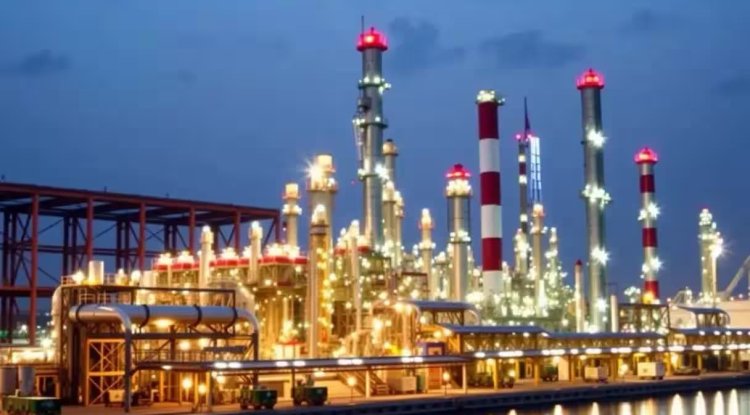
India's chemical industry, known for its scale and cost competitiveness, is entering a new phase of value creation. According to Ernst & Young, the chemicals sector is the third-largest contributor to India's GDP and account for 8% of the country’s manufacturing gross value added. The domestic market, valued at USD250-300 billion, is expected to grow fourfold by 2040, led by specialist companies, who are focused on specialty chemicals, advanced materials and high-performance applications. India's share in the global chemical value chain is currently estimated at 3.5% and is targeted to expand to 5-6% by 2040
Despite this growth potential, the sector has been under pressure from imbalances in global supply and demand, as well as a shortage of capacity in the commodity chemicals business that has been reducing margins. Another major concern is India’s USD31 billion trade deficits, where India is dependent on imports of feedstock and specialty inputs, making the industry vulnerable to supply disruptions and price volatility. The report highlights increased investment in domestic petrochemical capacity and alternative bio-based feedstocks as essential for strengthening long-term resilience.
At the same time, changing global supply chains are creating new opportunities for Indian manufacturers. The country's chemical exports currently reach more than 175 countries and are valued at over USD 21 billion annually. To strengthen its position in international markets, producers will need to build trust through regulatory compliance, product traceability and consistent quality, rather than relying solely on cost competitiveness.
Additionally, the industry is also witnessing consolidation as the cost of compliance increases and technology investments become more capital-intensive. While many medium-sized companies continue to rely on conventional manufacturing processes, digitalisation, such as AI, analytics and industry 4.0 tools, are now becoming a key factor in determining competitiveness.
Sustainability has also emerged as a strategic priority for the sector. With stricter environmental regulations, including carbon border adjustment measures, companies are being encouraged to adopt cleaner production methods. India has committed an outlay of ₹20,000 crore for Carbon Capture, Utilisation and Storage (CCUS), while industry initiatives in green chemistry, bio-based chemicals and the circular economy are gradually gaining momentum. Process safety and strong governance are also increasingly being viewed as competitive advantages rather than simply regulatory requirements.
At the same time, the sector continues to face a significant skills gap, with a shortage of between 30% and 32% of skilled professionals. Areas such as green chemistry and digital operations face even greater talent shortages than the rest of the industry. In addition, companies spend only 1–1.2% of their revenue on research and development (R&D), which remains below the global average.
Industry leaders believe that if the Indian chemical industry is to evolve from a global supplier into a leader in advanced chemistry, sustained investment in research and development, world-class infrastructure such as chemical parks, and workforce skill development will be essential.
What's Your Reaction?