India’s Coal Imports Drop 79% in FY25, Saving $7.93 Billion
India’s coal imports fell 79% in FY25, saving $7.93 billion, driven by increased domestic production and reduced reliance on foreign coal, enhancing energy security and lowering costs.
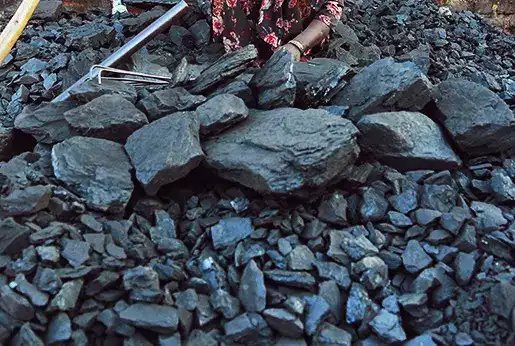
India's coal imports fell by as much as 79% in the financial year 2024-25, latest statistics show, amounting to up to $7.93 billion in savings. The sharp fall shows the adoption of a strategic approach towards boosting domestic coal production and lessening the dependence on imported sources of coal in the face of increasing global energy prices and supply chain volatility.
Sharp decline in coal imports is coordinated with India further accelerating its indigenous mining operations, backed by the government's initiatives at boosting coal production self-sufficiency. Higher production from state-run ventures and higher output from private mines were some of the factors behind this lower import dependency. Government initiatives in creating coal infrastructure and logistics also have been among the major reasons for fulfilling the country's energy needs significantly through indigenous sources.
India imported around 29.35 million tonnes of coal during FY25, which was less than the fiscal year earlier at 140.04 million tonnes. The steep decline in imports lowered not only the country's cost of importing overseas coal but also checked the overall import bill, a welcome boost for India's trade balance.
Such a decrease in importation of coal has extensive consequences on the power sector, which depends a great deal on coal to generate electricity. As local production is on the rise and reducing coal imports, power stations have been able to source more stable supplies of coal locally, with enhanced energy security. Further, such a change is beneficial to the government's broader energy policy of transition, e.g., making best use of domestic resources and minimizing risk exposure to international risk-prone coal prices.
India's move towards reduced coal imports is also in line with the global pattern since most nations are reshaping their energy supply strategies in light of supply interruptions and price fluctuations. India can improve price and decrease dependence on global market volatility by depending more on local coal.
In spite of the deceleration in imports, Indian coal consumption has been strong because of ongoing industrial and infrastructure development. Ongoing government initiatives toward enhancing coal production capacity, coupled with enhanced technologies in mining and more effective regulatory reforms, have enabled the coal industry to satisfy local demand well.
The reduction in coal imports also reflects India's growing energy independence, which is necessary because the country navigates through balancing the need for economic growth while being environmentally friendly. Coal continues to be a large component of India's energy basket, but simultaneous efforts towards diversifying sources of energy and improving sustainability are underway.
In the near future, India aims to sustain this pace by investing in modernization of the coal industry and infrastructure expansion. The government will continue to promote policies favoring local production of coal as well as optimal utilization of resources. All these will contribute to Indian energy security, price regulation of imports, and meeting its climate objectives in the long run.
The sharp decline in coal imports and the resultant savings are viewed as comforting indicators of India's evolving self-sustaining energy system. Not only does this transition influence the country's balance of economy, but it steadies its energy markets in the light of continued global stress.
Source: Economic Times (Energy Section)
What's Your Reaction?