Japan Records Hottest June Since 1898 Amid Ongoing Climate Concerns
Japan recorded its hottest June since 1898, with temperatures 2.34°C above average and coastal waters hitting record highs. Experts link this to climate change, which is causing more frequent heatwaves, erratic seasons, and severe weather events. The government has pledged carbon neutrality by 2050, but immediate climate action is needed.
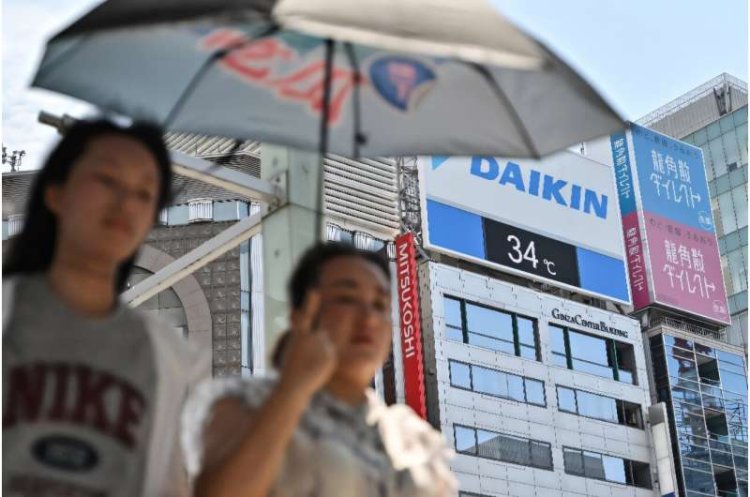
Japan saw its highest-ever June heat as of 1898 when temperature records commenced. The long-term average monthly temperature for June was 2.34°C surpassed by the average monthly temperature in June, the Japan Meteorological Agency says. Such a record rise in temperature is in consonance with an increasing trend of record temperature rises in Japan, meteorologists and scientists attribute as an impact of long-term patterns of climate change. The agency also stated that sea surface temperatures for coastal areas were 1.2°C above normal and tied June 2024 as a record high since ocean temperature records were kept starting in 1982.
Extensive high-pressure systems in the area worked to maintain this prolonged heat for the month. It is not the first time. Predictions have been issued by the weather agency that the record heat will continue in July, which will add to health and safety issues. The increasing heat has become a more typical occurrence and is also part of larger global-scale heat waves impacting areas from Europe to Asia.
This heatwave coincides with a wider climate crisis, as climate experts warn human-induced climate change is becoming more intense, putting on more frequent and extensive extreme heat events. As Japan's meteorologists warn against correlating some weather patterns to climate change, climatologists' longer-term records increasingly invoke the tropes of an unfolding climate with increasing temperatures, unstable seasons, and spreading incoherence to weather patterns.
Japan's reliance on fossil fuels imported from elsewhere also contributes to its carbon emissions. Though Japan is advanced technology-wise, it has the biggest carbon-guzzling energy mix among the G7 countries. The government vowed to reduce the emissions by 60% in 2035 and 73% in 2040 from their 2013 levels, as it strives to be carbon neutral by 2050. These are being enacted as part of Japan's master plan for adhering to international climate targets, but campaigners claim more radical action must be taken to meet the scale of the climate emergency.
The long-term effects of increasing temperatures in Japan are already being seen in several aspects of the environment and society. Natural landmarks and ecosystems are being impacted by seasonal cycles. For instance, Japan's famous cherry blossoms bloom earlier than normal in some locations and fail to bloom completely in others, thanks to more moderate winters and autumns that don't create the required dormancy for flowers.
In another trend visible to the naked eye, Japan's highest natural icon, Mount Fuji, had its severe delay in snowcaping last year. The snowcap only arrived in early November—earlier than the most recent date ever recorded—comparing with the typical October appearance. Such changes not only reverse natural patterns but also have tourism, agricultural, and water resource implications.
Dramatic changes in the patterns of rainfall and storms in Japan have also occurred. Western Japan's rainy season ended three weeks early this year, the earliest on record. This shift in patterns of rainfall is part of a broader set of climate-related perils, such as heightened exposure to drought, water scarcity, and crop volatility.
Severe weather conditions, such as typhoons and heatwaves, have worsened and become more frequent. Summers in Japan have come with life-threatening floods and scorching heatwaves that have disproportionately hit the elderly. Japan had back-to-back record summers in 2023 and 2024, and 2025 has now introduced another aspect of extreme heat to the trend.
Winter weather has also become more volatile. While some regions are experiencing drier-than-normal winters that heighten the risk of fire, other regions are experiencing severe snowfalls. The Japanese city of Ofunato experienced Japan's largest forest fire in 30 years in early 2025 as a result of increasingly dry winter conditions. On the other hand, severe snowfalls in other regions have caused fatal accidents, transport disruption, and heightened risks of avalanches. These opposing climate behaviors are symptomatic of a broader trend towards unpredictability in the climate.
Japan's energy policy is in the spotlight. While the nation has imposed emissions-cutting targets and increased investment in energy efficiency and clean power, it remains dependent on fossil fuels, particularly since the Fukushima nuclear accident of 2011. Most of the nation's nuclear reactors have been closed down since then, and the nation is increasingly dependent on coal, gas, and oil to generate energy.
The imperative for climate action is highlighted by the growing cost in public health and safety. Heat-related illnesses and fatalities increased, particularly for vulnerable populations like the elderly. Infrastructure, agriculture, and biodiversity are also stressed due to changing climate norms. Widespread hot conditions, combined with unpredictable rainfall and storm patterns, threaten long-term food security and public health.
Japan's weather course is following worldwide trends. The same heatwaves are blanketing nations in Europe, such as France and Greece. International bodies like the global players' union FIFPro have begun to demand institutional adaptation such as fewer games in between to keep up with the danger of too much heat. That sort of reaction illustrates how adaptation to climate is becoming part of planning across so many sectors.
Briefly, Japan's record heat in June is another sign of an accelerating planet. While Japan has been committed to ambitious climate targets, the episode underlines the need for more speeding and more ambitious action. Mitigation strategies need to be backed up by more ambitious adaptation strategies to save citizens and infrastructure from soon-to-be occurring climate disruptions. Unless strong and concerted efforts are undertaken, the frequency and intensity of extreme weather in Japan will rise, and potentially have considerable long-term effects on the environment, public health, and economic stability.
Source: Hiroshi Hiyama, AFP, Published July 1, 2025
What's Your Reaction?