JPFL FY25 Report Highlights ESG Commitment, Safe Operations
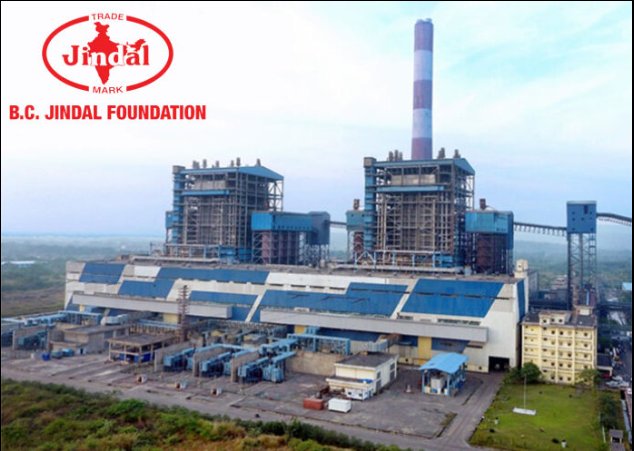
Jindal Poly Films has showcased its commitment to sustainability and responsible business practices. According to Business Responsibility and Sustainability Report (BRSR) FY 2024–25, the company continues to operate in the nonwoven fabric manufacturing segment, catering to hygiene, medical, and industrial product manufacturers in India and across 14 countries. JPFL embeds sustainability, transparency, and governance into its operations and has aligned with all nine principles of the National Guidelines on Responsible Business Conduct (NGRBC)
The Board of Directors has approved policies on ethics, environment, employee welfare, and inclusive growth. Health, safety, equal opportunity, and sustainability are focused upon in the execution of the company's projects, supported by third-party safety audits and ISO certifications
Environmental Performance of the Company
• Energy: Total consumption 308,013,510 MJ (mostly non-renewable); intensity 0.04599 MJ/₹ turnover. Renewable energy consumption comprised 32,12,939 MJ through solar power, with a proposed installation of 2.1 MW rooftop solar
• Water: Withdrawal 11,769 KL; consumption 11,769 KL; intensity 0.00000176 KL/₹ turnover. There is a Zero Liquid Discharge system in which treated water is utilized for gardening and sanitation
• GHG Emissions: Scope 1 – 574 tCO2e; Scope 2 – 60,480 tCO2e; combined intensity 0.0000091 tCO2e/₹ turnover
• Waste: 744 MT generated (predominantly plastic and non-hazardous waste); intensity 0.0001109 MT/₹ turnover. Hazardous waste such as used oil disposed of by approved vendors
• Air Emissions: Negligible (NOx, SOx, and PM reported as nil at most sites)
Employee & Social Impact
JPFL has 159 permanent employees out of which 21% are women, and 270 permanent workers, of which 12% are women. All employees and workers are fully covered under ESIC, health insurance, accident insurance, provident fund, gratuity, maternity and paternity benefits, and day-care facilities. All the male and female employees are covered under ESIC, PF, and gratuity. Maternity leaves are paid to all women employees, and there has been a 100% return-to-work and retention rate after the parent leave. There were no fatalities or safety accidents reported by the company during FY 2024–25. Furthermore, all employees and workers were trained on ESG, health and safety, waste management, and skill development.
With respect to inclusive development, the firm provides differently abled employees with workplace accessibility, has grievance redressal in the form of POSH and Whistleblower policies, and follows a culture of inclusion
Supply Chain
JPFL adopts sustainable sourcing practices with strict vendor background screening and high recyclability and use of renewable materials. Although 18% of its turnover is from exports, most of its sourcing is local, upholding its focus on local purchasing and sustainable supply chains
Future Strategy
The company will look to enhance its ESG roadmap by cutting down GHG emissions through higher solar energy uptake, by improving plastic recyclability and reducing environmental footprints, improving diversity, health, and safety policies for all operations and by having good governance and stakeholder relationships in place to stay in line with global ESG best practices
Jindal Poly Films Limited remains to incorporate sustainability into all its business operations through safe working practices, robust ESG policies, renewable energy programs, and ethical supply chain management, while attaining zero safety events and complete adherence to NGRBC principles.
What's Your Reaction?