Koala Relocation In NSW Fails As Seven Out Of 13 Die
Over half of 13 koalas died after NSW translocation; project halted amid concerns over weather-linked infections.
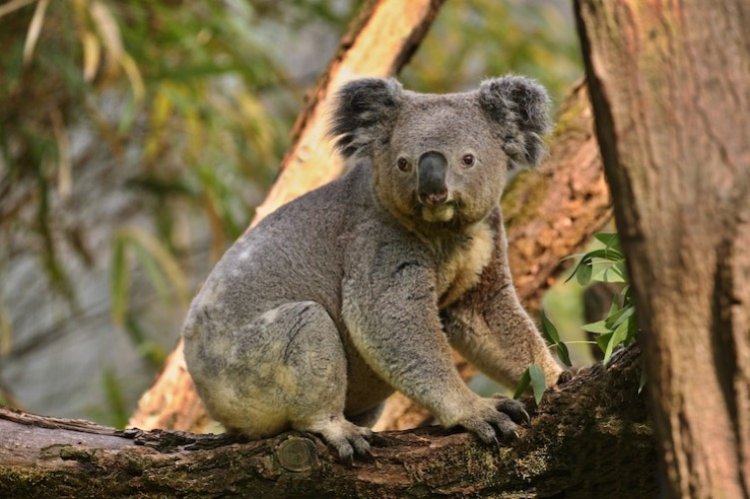
A bold move by the New South Wales government to return koalas to the South East Forest national park failed when over half of the translocated koalas perished weeks after translocation. Seven of the thirteen koalas translocated in April passed away, two of which had symptoms of septicaemia, a blood infection, and the rest of the marsupials were then taken into care.
The fatalities were withheld by the state government, which has been questioned on transparency and led NSW Greens to call for an immediate review of the program. The translocation was among the state's largest koala initiatives, designed to promote the long-term future of the struggling species, whose populations are rapidly dwindling as a result of habitat loss, disease, and environmental pressure.
The NSW environment ministry stated 13 koalas were taken from a dense population in the Upper Nepean State Conservation Area, north-west of Wollongong, and transferred to the South East Forest national park, just outside Bega, in a bid to re-establish a habitat where koalas had regionally disappeared. In a matter of days, three koalas had died, prompting the project team to quarantine the remaining 10 into a wildlife hospital for observation and treatment. Four additional koalas died over time, bringing the death toll to seven.
Necropsy of two of the first fatalities indicated lung and liver infection, septicaemia being suspected as a cause of death. Extreme weather in the recent past was held by the department to have been a contributory factor as the mortalities were reported not long after a severe rainfall event. Extensive wet weather, the department argued, is able to damage koala health by interfering with feeding behaviour, compromising immunity, and affecting thermoregulation.
The remaining six koalas were found to be in good health too and released into the Upper Nepean's natural environment. The project has now been suspended pending an investigation into the deaths. Authorities are currently investigating the possible links between weather patterns, koala diets, gut health, and the ability to withstand disease so that they can be able to assist future translocation schemes better.
NSW Greens environment spokeswoman Sue Higginson labeled the scheme a "catastrophic failure" and requested it be urgently investigated. "This is a cynical signal that the government cares more about koala high-risk and failing programs but keeps on letting koala habitat be lost through development and logging," she claimed. Higginson was critical of planning and governance for the project, saying that the whole framework and decision-making process needed to be examined in the light of the negative effects.
University of Sydney biodiversity and conservation teacher Carolyn Hogg attested that wildlife translocation is made difficult by its very nature. She added that extreme climatic conditions may also increase the chances of disease outbreak, especially among susceptible animals such as koalas. She was, however, adamant that if applied responsibly, translocation is a valuable conservation tool that maintains gene flow and ensures the genetic integrity of isolated populations.
Valentina Mella, senior lecturer in conservation and animal behaviour at the University of Sydney, was of the view that one must study in detail why a patch of landscape considered suitable for a species is no longer inhabited by it. For koalas, she emphasized the need for adequate food availability, considering their very specific diet of specific eucalypt leaves. Lack of such food could have a negative effect on their survival after translocation.
The environment division claimed that the 13 koalas were checked prior to release and discovered to be healthy and chlamydia-free. The project was said to have been planned with a collaborative strategy involving conservationists, researchers, traditional owners, land managers, and government agencies. Koalas were tracked using satellite and VHF collars after release, and preliminary signs indicated that they were establishing healthy habits—alternating trees, eating, and creating normal-quality scat.
Despite this non-success, the department referred to other translocations that have been more successful. In one instance, koalas were successfully translocated from Upper Nepean to a predator-proof fenced enclosure at Yiraaldiya National Park in western Sydney and continue to be in good health. Another project within the Northern Rivers region, where food competition is high, consisted of nine koalas being translocated to Bungawalbin National Park. Three of them, however, died later, presumably from tree falls or predation, and the rest were healthy.
The ministry recognized translocation risks as well as reasserted its utility as a conservation measure provided it is undertaken with the concurrence of the protection of habitats. It was stressed that, while koala translocation provides assurance of the transfer of genetic material and relieves pressure on overpopulated populations, it is not a replacement for the preservation of current koala habitats from further threats like logging and deforestation.
The latest failure has again sparked debate among politicians and conservationists with the former opining that conservation should be focused on preserving natural habits while undertaking less dangerous experiments. While NSW authorities are still trying to establish the cause of this deadly mistake, debate over what ought to be done to save the future of one of Australia's favorites continues unabated.
What's Your Reaction?