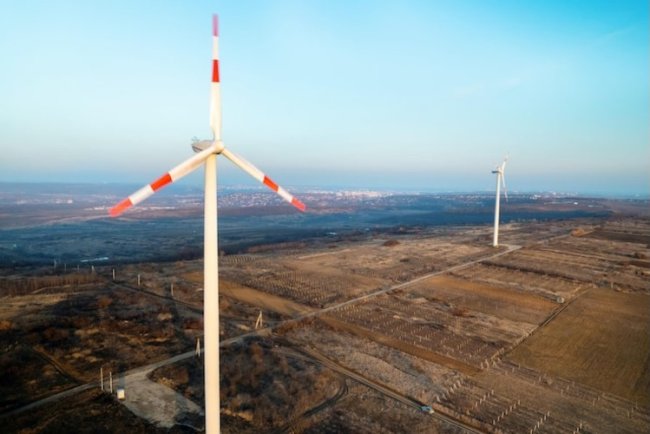
lululemon backs China renewable energy projects to reduce supply chain emissions and support climate targets.

lululemon has invested in a renewable energy fund that focuses on developing clean electricity in China. This investment aims to reduce emissions throughout its supply chain. It is part of the company’s climate strategy to encourage suppliers in Mainland China to adopt renewable energy. This move shows that businesses are increasingly concentrating on renewable energy and ways to address their indirect climate impacts.
The fund aims to support new wind and solar energy projects in one of lululemon’s key manufacturing areas. With this investment, the company hopes to achieve 100% renewable electricity use among its suppliers in Mainland China by 2030, based on estimated electricity demand. This initiative is part of lululemon’s broader Impact Agenda 2030, which includes a goal to reduce greenhouse gas emissions intensity by 60% by 2030 compared to 2018 levels.
Renewable Fund Targets Wind and Solar Development
The renewable energy fund, managed by Schroders Capital’s Infrastructure team, focuses on projects that are in late-stage development and construction. It invests in wind and solar energy assets across China, where expanding renewable power is crucial for the country’s energy transition.
Funds from this initiative have already been allocated to several wind projects currently under development. These projects are set to be operational later this year, adding more renewable energy capacity to the regional power system.
For global companies with manufacturing in China, securing renewable energy can be tough due to differing market structures, supplier locations, and electricity systems. The fund model enables companies to engage in larger renewable energy projects instead of depending solely on individual supplier agreements.
Addressing Scope 3 Emissions Through Supplier Action
lululemon’s investment reflects a broader shift among companies looking to cut down Scope 3 emissions. These emissions include indirect emissions from supply chains, manufacturing, transportation, and other value chain activities. For clothing brands, these emissions often represent a large part of their overall climate impact.
The company’s 2030 climate target emphasizes reducing emissions intensity rather than focusing only on operational emissions. This approach looks at business growth while tracking progress in reducing greenhouse gas impacts tied to production and sourcing.
Noel Kinder, Senior Vice President of Sustainability at lululemon, stated that cutting down supply chain emissions requires teamwork, investment, and new ways to procure renewable energy. He mentioned that shared financing models can help companies speed up renewable energy development in manufacturing regions.
Growing Pressure on Apparel Sector to Decarbonise
The apparel industry is under increasing scrutiny regarding its environmental impact, especially concerning manufacturing emissions and energy use. As companies set climate targets, many are shifting their focus from just reducing emissions in offices, stores, and facilities to looking at suppliers and production networks.
Investors and regulators are now more interested in whether corporate climate investments produce new renewable energy capacity instead of just supporting existing renewable electricity claims. This has led to a rise in demand for models that actively contribute to new clean energy projects.
China remains one of the largest manufacturing centers globally and a significant renewable energy market. However, companies with supply chains in the region face challenges related to electricity procurement systems, local infrastructure, and access to clean power.
Corporate Collaboration in Supply Chain Decarbonisation
This investment builds on lululemon’s previous collaborations with organizations like the Apparel Impact Institute, Asia Clean Energy Coalition, and CEBA’s Clean Energy Procurement Academy. These partnerships work on expanding access to renewable energy and promoting climate action across common supply networks.
Since many suppliers work with multiple brands, industry-wide solutions can prevent duplicated efforts and enhance the scale of renewable energy adoption. Companies are increasingly looking into partnerships and financial strategies that support suppliers in moving toward cleaner electricity sources.
Infrastructure financing is becoming a more vital part of corporate climate strategies. By directing funding toward renewable projects in manufacturing areas, companies can support emissions reductions while managing long-term climate risks associated with their supply chains.
Renewable Energy Investment Becomes Part of Climate Strategy
lululemon’s involvement in the China renewable energy fund reflects a growing trend among companies that use investment tools to tackle emissions outside their direct operations. For industries that rely heavily on manufacturing, meeting climate goals increasingly requires engaging suppliers, financing renewable energy, and adopting regional strategies.
This initiative demonstrates how businesses are seeking effective ways to cut supply chain emissions by backing renewable energy development in places where production occurs. As global brands continue to feel pressure to fulfill climate commitments, investments in clean energy infrastructure are becoming a critical component of long-term decarbonization strategies.
What's Your Reaction?