Meghalaya Grapples with 56% Monsoon Rainfall Deficit
Melting Antarctic ice may destabilise volcanoes, risking eruptions that could disrupt global climate systems.
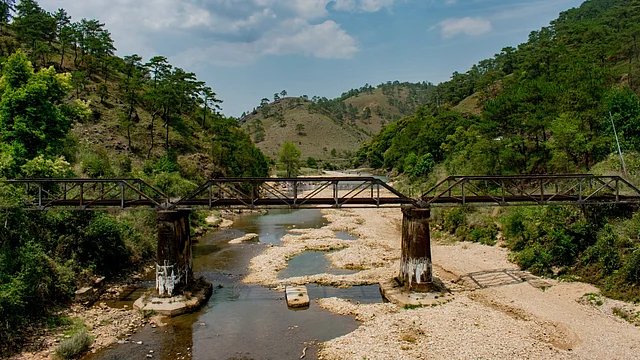
Meghalaya, renowned for its heavy rainfall, faced a significant 56% rainfall deficit during the 2025 Southwest Monsoon, receiving less rain than the typically drier Jharkhand. From June 1 to July 28, the state recorded 690.7 mm of rainfall against a normal of 1,555.4 mm, threatening agriculture, which sustains 83% of its population, and water security. Cherrapunji and Mawsynram, among the world’s wettest places, have seen declining rainfall, with Cherrapunji’s annual average dropping from 11,000 mm in the 1970s to 8,000–9,000 mm recently. This shift, driven by climate change and altered monsoon patterns, disrupts ecosystems, soil moisture, and biodiversity.
Jharkhand, by contrast, received 732.6 mm against a normal of 478.3 mm, a 53% surplus. The deficit in Meghalaya impacts rain-fed agriculture, risking crop failures and affecting livelihoods. Research indicates a multi-decade decline in precipitation across the northeastern plateau, particularly in highland zones, potentially causing water shortages and downstream effects. The state government is promoting water conservation and sustainable farming to mitigate impacts. Infrastructure investments, such as improved irrigation and watershed management, are critical to address these challenges. Long-term strategies include climate-resilient crops and enhanced weather forecasting to adapt to changing patterns.
The situation underscores the broader implications of climate change, requiring coordinated efforts to ensure ecological and economic stability in the region. The decline in rainfall also affects hydropower generation, a key energy source for Meghalaya, further straining local economies. Efforts to diversify water sources, such as rainwater harvesting, are being explored to reduce dependency on monsoon rains. The state is collaborating with meteorological agencies to improve rainfall predictions and early warning systems.
Community awareness programmes are being rolled out to educate farmers on sustainable practices. The government is also seeking central funding to develop infrastructure resilient to climate variability. The deficit highlights the vulnerability of rain-dependent regions to climate shifts, urging a shift towards adaptive agricultural practices. Investments in soil conservation and afforestation can help retain moisture and stabilize ecosystems. The situation in Meghalaya serves as a warning for other monsoon-dependent regions, emphasizing the need for proactive climate adaptation measures. Addressing these challenges requires a blend of local innovation and national support to safeguard livelihoods and natural resources.
What's Your Reaction?