Microplastics Persist in Drinking Water Despite Wastewater Treatment
Microplastics continue to contaminate drinking water due to incomplete removal in wastewater treatment, posing long-term health and environmental risks, according to a study by researchers at the University of Texas at Arlington.
Microplastics are increasingly contaminating drinking water, both environmentally and health-wise, according to a new report by scientists at the University of Texas at Arlington (UTA). The report in Science of the Total Environment read through more than 120 peer-reviewed articles from the past decade to evaluate the occurrence, fate, and removal performance of microplastics in wastewater treatment facilities.
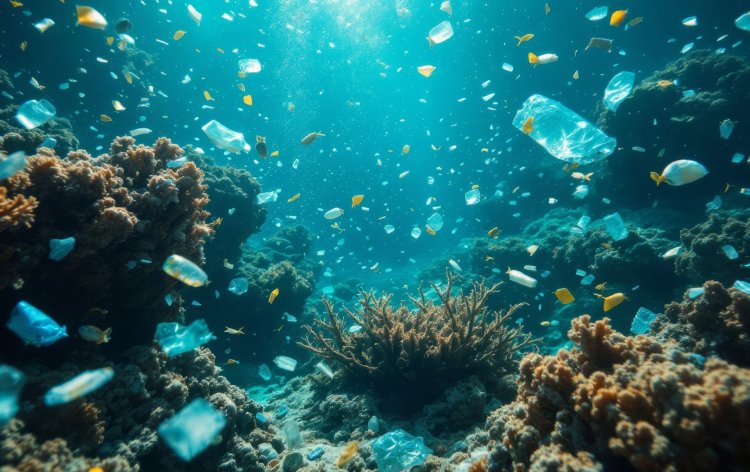
Microplastics are plastic solid particle form with a size of under 5 millimetres. They are created either through the degradation of larger plastics or created deliberately to be used in items like cosmetics and domestic products. There are two that are thought of most heavily in the studies. Microfibres come mostly from man-made materials like polyester, while microbeads, although banned now in most areas, continue to exist in the flow of the water.
The survey found that although wastewater treatment plants minimize the discharge of microplastics into the environment, existing technologies are not sufficient to eliminate them. Microfibres predominate wastewater flows, and microbeads remain present, usually alongside chemical additives like softeners and flame retardants.
The researchers further discussed the problem of microplastics serving as carriers of other pollutants in the environment. They include organic chemicals, pesticides, and antibiotics that become attached to microplastic surfaces during wastewater treatment processes. The chemicals are said to be disrupting endocrine systems and can cause increased risks of long-term illness like heart disease and cancer from levels of exposure as low as very small amounts.
Owing to the shortcomings of existing filtration technology, microplastic release from wastewater treatment facilities is set to be inevitable. The authors cite the necessity for not just determining the direct hazards of microplastic ingestion but also secondary exposure to dangerous chemicals on microplastics.
As more microplastics enter the environment, they are similarly set to accumulate in the human body through drinking water and food intake. Long-term exposure means that it is problematic to speculate on harmful health consequences, which are still not fully known.
The research also indicates a lack of standard testing approaches throughout the industry. In the absence of standard methods of quantifying and classifying microplastic contamination, reliable risk assessments are not easily defined, or efficient management plans cannot be constructed.
In an effort to overcome these challenges, the authors propose more extensive research on microplastic pollution and interactions among microplastics and other contaminants. They further propose investment in further treatment technology as well as instituting regular monitoring practices.
Since microplastic pollution is so universal and the extent of the issue, the results emphasize that collective action is needed now. Microplastic removal from source water must occur in order to safeguard both environmental systems and human health.
Source: Science of the Total Environment, June 2025.
What's Your Reaction?