The expansion of the HyNet carbon capture network in North Wales signals a major step forward in the UK's clean energy and industrial decarbonisation efforts. New power and bioenergy projects will create jobs, lower emissions, and support net-zero goals.
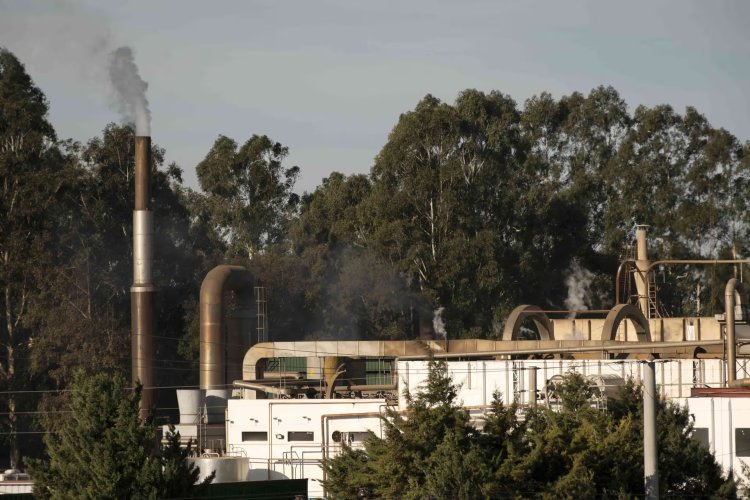
A major turning point in North Wales's path to industrial decarbonisation and clean energy leadership is the growth of carbon capture and storage (CCS) infrastructure, which is being celebrated. Recent advances in the HyNet North West initiative have underlined the UK government's will to encourage low-carbon technologies while also boosting regional economy by means of innovation and sustainable employment creation.
A significant UK project aimed at lowering carbon emissions from industrial sources by trapping and storing carbon dioxide underground, therefore keeping it out of the atmosphere is HyNet North West. Two more energy generating projects are being evaluated for inclusion into the HyNet carbon capture network with the most recent statement. One of these is a Connahs Quay, Flintshire, newly built power station. At peak capacity, the plant is expected to produce adequate low-carbon energy to power roughly 900,000 homes, therefore supporting the region's need for cleaner energy.
The Connahs Quay initiative enhances the regional drive for better industrial processes by adding three more projects already given top priority for carbon capture integration. The Ince Bioenergy with Carbon Capture and Storage (InBECCS) project in nearby Cheshire is still another crucial part of this growth. Combining trash management and clean energy generation in one process, InBECCS will capture carbon emissions and create renewable energy utilizing waste wood as fuel. This dual advantage fits the larger objectives of the UK in terms of climate change and establishes bioenergy as a major instrument for reaching net zero.
Reflecting their ability to provide both environmental and financial benefits, the Department for Energy Security and Net Zero has given new developments priority status within the HyNet project. These choices support a broader plan to include CCS technology into the British energy and industrial sectors, therefore enabling conventional high-emission businesses to evolve and lower their carbon footprint without compromising production.
HyNet's growth has been highlighted by Welsh and UK government officials as evidence of accelerating pace in the change to clean energy. They have underlined not only the projected economic consequences but also the potential environmental benefits. These new initiatives are projected to generate about 800 more employment in North Wales and North West England. These positions include operations, maintenance, construction, and engineering, which support local employment and provide long-term economic resiliency.
The UK government has always included carbon capture technologies in its national decarbonisation strategy. By funding CCS infrastructure, officials want to lower industrial emissions while keeping industries like manufacturing, power generation, and heavy industry competitive. Especially important in areas such North Wales, where historically high carbon emissions have come from older businesses. By means of projects such HyNet, these regions are being transformed into frontrunners in climate resilience and green innovation.
HyNet North West is one of many attempts to show that environmental responsibility and industrial growth can coexist. North Wales is quickly becoming a model for how CCS can be used on a large scale, as it already has key infrastructure in place and more projects are getting approval. The expanding network of carbon capture initiatives not only helps the UK meet its 2050 net-zero emissions goal but also strengthens the nation's worldwide standing in the clean energy revolution.
These developments also highlight how, particularly when backed by coordinated government policies and business sector investment, CCS technology is growing more realistic and scalable. Projects such InBECCS show how energy may be supplied while also handling emissions from both new and existing sources via integrated solutions. For areas dependent on fossil fuels or other carbon-intensive activities, CCS provides a means of slow changeover free from economic impact.
The UK governments' focus on carbon capture is not only about emissions; it is also a strategic move to guarantee that areas such as North Wales may actively participate in future-proofing the economy, therefore protecting employment and ensuring the availability of energy. The HyNet extension is currently underway, and more projects are given priority status, therefore putting the area at the forefront of the UK's clean energy goals.
Also, the implementation of these projects can influence public perception and acceptance towards carbon capture as a potential solution to climate change. CCS is expected to gain more public confidence as the deployment of infrastructure and visible benefits increase, thereby driving innovation and acceptance. Both the visible increase in employment and clean energy output demonstrate the benefits of investing in green technologies.
Overall, the HyNet North West initiative represents a milestone for the Welsh economy and the CCS industry.' It also shows how targeted government support and regional coordination can speed deployment of key low-carbon technologies. The UK is paving the way for a more secure energy future by connecting more projects to the expanding carbon capture network, which will promote economic progress and climate stability. However, many uncertainties remain.
With the proliferation of online CCS initiatives and their development, the HyNet model could become a standard for other regions in the UK and Europe. Carbon capture technologies are a crucial investment given the potential for job creation, industrial transformation and emission reduction. The recent expansion strengthens North Wales' position as a hub for clean energy, providing momentum that could influence wider national and international plans in the coming years.
What's Your Reaction?