UN climate chief Simon Stiell has warned that continued reliance on fossil fuels could worsen inflation, increase economic instability and leave countries vulnerable to energy market shocks.
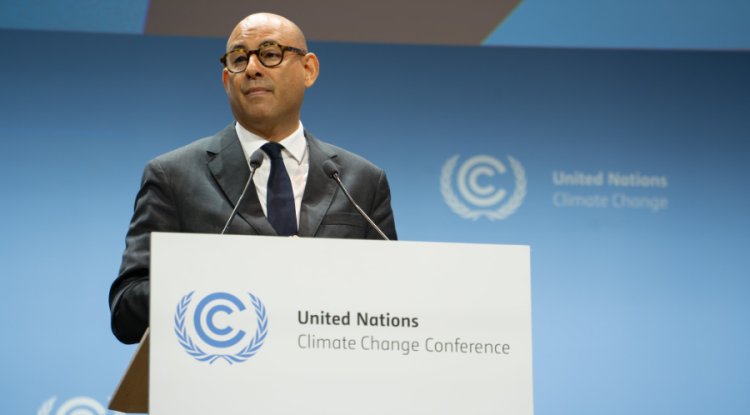
Countries that depend on fossil fuels will be more vulnerable to the risk of inflation, shocks to the prices of energy, and economic instability, UN climate chief Simon Stiell said in his opening statement at the UN June Climate Meetings in Bonn, Germany.
Addressing the audience of government officials, investors, businesses, and NGOs, Stiell said that dependence on oil and gas supplies exposes economies to fluctuations in international energy markets and geopolitical conflicts. Price fluctuations can influence household budgets, company expenses, and state budgets.
The statement relates to the current situation in the global energy market amid new geopolitical tensions in the Middle East. The growing cost of fuel is an extra burden for economies that are concerned about their inflation and economic growth rate in some regions.
Additionally, Stiell drew attention to the economic consequences of climate change events. Natural catastrophes such as droughts, heat waves, and floods have been threatening agricultural production and causing financial damage to many countries.
Negotiations at Bonn related to climate are ongoing until June 18th in preparation for COP31, which is expected to be hosted by Türkiye this year. The negotiations deal with climate adaptation, implementation of current climate agreements, climate finance, and other technical issues that would lead to this year's UN climate summit.
One of the critical issues being discussed during this negotiation is climate finance. Developing nations have been asking for increased financial assistance to combat the impacts of climate change and facilitate their transition to sustainable development pathways. According to Stiell, facilitating finance is still a very crucial aspect, especially among less privileged nations.
In addition to climate negotiations, the Climate Action Network, an organisation representing over 2,500 civil societies across the world, demanded progress regarding funding for climate change adaptation, support for affected communities during the energy transition process, and measures that aim at making the nations dependent on fossil fuels.
Recently, energy security has been part and parcel of international climate negotiations due to several disruptions caused in global fuel markets. Governments have been assessing methods of securing their energy supplies domestically amid the volatile international prices.
The outcomes of the Bonn meetings are expected to shape the agenda for COP31, where countries will continue negotiations on emissions reductions, adaptation measures, and climate finance commitments. Discussions in the coming months are likely to focus on how governments can manage energy security concerns while meeting long-term climate goals.
What's Your Reaction?