Amazon reaches 75% of its water positive target while improving data centre water efficiency globally.
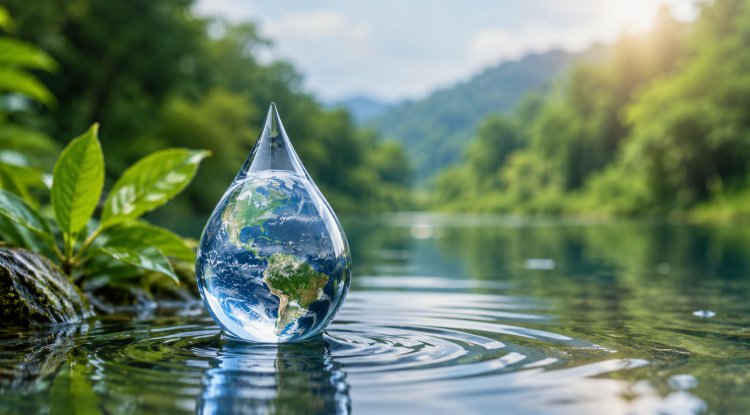
Amazon has achieved 75% of its goal to become water positive in its global data centre operations by 2030. This marks significant progress in its efforts to improve water sustainability and manage resources. The company also reported major gains in operational efficiency as demand for cloud and artificial intelligence infrastructure continues to rise. This development highlights the growing focus on water positive initiatives, data centre sustainability, water conservation, and corporate sustainability in the tech industry.
The company noted it has more than doubled its water use efficiency in data centres since 2021 while increasing investments in projects to replenish local water supplies. Amazon’s latest update shows the rising industry interest in water positive programs, data centre sustainability, water conservation, and effective corporate sustainability strategies as tech companies aim to balance infrastructure growth with environmental responsibilities.
Progress Towards Water Positive Goal
Amazon first announced its water positive goal in 2022, pledging to give back more water to communities than it uses in its data centre operations by the end of the decade. The strategy focuses on boosting water efficiency, using sustainable water sources, increasing water reuse, and supporting replenishment projects in areas stressed by water shortages.
The company’s recent achievement marks a significant improvement from the prior year. Amazon reported reaching 53% of its target in 2024, showing a strong increase in progress throughout 2025. The company said its efforts are helping to speed up its pathway towards achieving the complete water positive goal by 2030.
Water Replenishment Investments Expand
According to Amazon, its global data centre network withdrew around 2.5 billion gallons, or 9.5 billion litres, of water in 2025. To counteract water consumption and support local communities, the company has invested in over 50 water replenishment projects worldwide.
These projects are projected to return more than 5.8 billion gallons of water each year. They include watershed restoration, groundwater recharge, and improvements to water infrastructure aimed at enhancing water availability in the communities where Amazon operates.
The company has also increased the use of reclaimed water sourced from wastewater treatment facilities. By using treated wastewater instead of drinking water for some operations, Amazon aims to lessen the strain on local drinking water sources while promoting more sustainable water management practices.
Significant Improvements in Water Efficiency
Alongside replenishment efforts, Amazon reported major progress in cutting the amount of water needed to operate its data centres. The company stated that water efficiency improved by 52% since 2021, reaching 0.12 litres per kilowatt-hour, compared to 0.25 litres per kilowatt-hour five years ago.
Amazon claimed this performance places its operations well ahead of the industry average of 0.84 litres per kilowatt-hour. The improvement stems from ongoing investments in cooling technologies and operational changes designed to reduce water use without compromising data centre performance.
Cooling Innovations Reduce Water Demand
A key factor in Amazon’s efficiency gains has been the increased use of cooling technologies that need little or no water. The company reported that about 90% of the time, its facilities use "free air cooling." This process relies on outside air to absorb heat generated by servers before releasing it back into the environment.
Only during hotter periods does Amazon use evaporative cooling systems. These systems spray water onto a medium that absorbs heat, allowing evaporation to cool the incoming air and equipment.
Amazon has also raised the temperature levels at which its servers can operate safely. By letting equipment function efficiently at higher temperatures, the company has decreased the frequency and duration of cooling that requires water.
Focus on Long-Term Innovation
Amazon Chief Sustainability Officer Kara Hurst said the company’s progress reflects years of efforts aimed at improving efficiency while supporting local water resources. She emphasized that solving water challenges requires a combination of better operations, new technologies, and community-based projects.
Hurst added that no single solution can bring about significant results alone. She highlighted the need for a complete approach that combines optimizing data centres with investing in water replenishment initiatives. She also underlined the importance of ongoing innovation as environmental conditions and infrastructure needs continue to change.
Growing Importance of Water Stewardship
The latest update comes as water management increasingly concerns technology companies. Rapid growth in cloud computing, artificial intelligence, and digital services has heightened demand for data centres, leading to closer scrutiny of water use and environmental impacts.
Amazon’s progress towards its water positive goal shows how large tech firms aim to enhance resource efficiency while supporting local water resilience. With four years left until its 2030 target, the company continues to expand initiatives to reduce water use and boost the amount of water returned to communities.
What's Your Reaction?