Cloud Seeding: The Rising Debate Over Weather Manipulation
Cloud seeding, a controversial weather modification technique, is gaining traction as countries seek to combat droughts and floods. However, its effectiveness, potential risks, and geopolitical implications remain widely debated. While some nations use it for water security, concerns over misinformation, environmental impact, and unintended consequences persist.
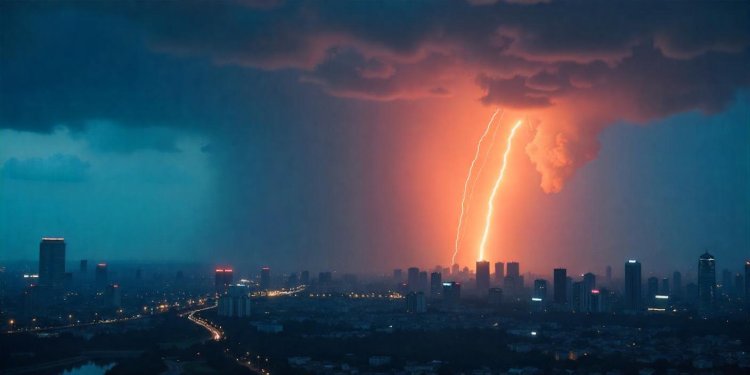
Cloud seeding, as a weather modification process to induce precipitation, has been performed by many countries over the last decades. As global warming has grown with more serious weather phenomena like floods and droughts, ever more countries have been implementing this controversial technique in order to regulate precipitation. But the efficiency, potential unintended impacts, and geopolitics of the process have become subjects of criticism worldwide. While governments see cloud seeding as a weapon against drought and increased farm yields, opponents warn of the dangers of misinformation, environmental tampering, and border wars.
Cloud seeding, developed in the 1940s, involves injecting chemicals like silver iodide, salt, or dry ice into clouds to induce precipitation. Governments around the world use the technique to battle drought, suppress fires, and manage severe weather. China is a global pacesetter when it comes to cloud seeding, operating big operations such as the Sky River initiative to supplement water supplies. China has operated experiments on the Tibetan Plateau that concern some impair China's neighbors' water supply, including India.
Cloud seeding has been implemented elsewhere. The United Arab Emirates employs the method on a regular basis to boost desert rain, and the United States has also had previous weather modification efforts, including military applications during the Vietnam War. But the effectiveness of cloud seeding is debated. A 2019 World Meteorological Organization review determined that precipitation from seeding ranges from zero to about 20%. Despite this skepticism, many countries still invest in weather modification projects.
Aside from scientific concerns, cloud seeding has also caused geopolitical and social tensions. Accusations of "cloud theft" have been raised in some regions of the world, with politicians alleging that neighboring countries manipulate the weather against them. In Iran, administrations previously blamed foreign intervention for disturbing rainfall trends, while conspiracy theories on social media blamed cloud seeding for extreme weather conditions like floods. Online rumor in 2024 falsely blamed cloud seeding for catastrophic flooding in the UAE and Brazil as a sign of public suspicion and misinformation regarding climate intervention growing.
The cloud seeding debate is also legal and ethical. The United Nations bans the use of environmental modification weapons for war in a 1976 convention, but incidental weather effects are not included. Most experts caution that without international regulation, cloud seeding may have unforeseen effects, ranging from interference with natural weather patterns to harm to the environment, and heightened international tensions. Other experts argue that focus on weather modification could divert attention from long-term climate solutions such as sustainable water management and carbon emissions reduction.
Despite the fact that climate change is growing the amplitude of extreme weather, demand for such intervention as cloud seeding is growing. Its effectiveness is still uncertain, but warning signs related to unprecendented unintended impacts, limited knowledge base, and geo-political competitions continue to be relevant. If cloud seeding provides relief on short term at a few points, it cannot guarantee solutions to climate or water famine. Instead, a holistic process, encompassing sustainable measures and international collaboration, might be the way to fight the global climatic issues successfully.
Source and Credits:
Provided by AFP (Agence France-Presse).
What's Your Reaction?