Rare Purple Panda Crab Discovery in Thailand Sparks Urgent Biodiversity Protection Efforts
The rare Purple Panda Crab, rediscovered in Thailand’s Kaeng Krachan National Park, sparks global interest and urgent conservation calls. Scientists warn tourism and climate change threaten this flagship freshwater species’ survival.
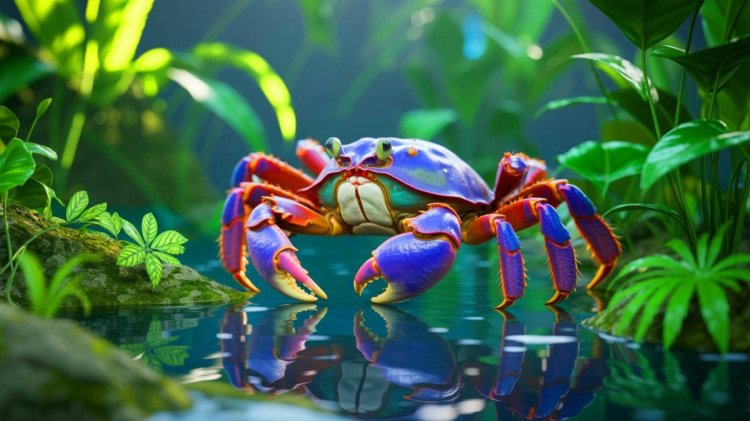
Thailand’s lush tropical forests and freshwater ecosystems have produced a stunning scientific surprise — the rediscovery of a rare species of freshwater crab with striking “panda‑like” markings and a vibrant purple shell. Known locally for its distinctive appearance but officially belonging to the genus Lepidothelphusa, this freshwater species has now been photographed and documented inside Kaeng Krachan National Park, a UNESCO World Heritage Site along Thailand’s western border with Myanmar. The sighting has ignited both excitement among scientists and concern among conservationists about the growing threats from tourism pressure and climate stress to Southeast Asia’s fragile biodiversity.
The name “Purple Panda Crab” derives from the bold black‑and‑white patches on its shell and limbs, reminiscent of the markings of a giant panda, set against a vivid violet body hue. Its charismatic look has already made it a social media sensation in wildlife photography circles, but experts warn that its rarity means it should be valued as a flagship species for conservation awareness — not exploited for commercial gain or souvenir trade.
Park rangers encountered and photographed the crab during a regular biodiversity monitoring patrol, part of an ongoing project to track reptiles, amphibians, and invertebrates in the park’s river systems. The find is significant because Lepidothelphusa species are considered sensitive “bio‑indicators” — species whose presence or absence signals the overall health of an ecosystem. Their survival depends on clean, oxygen‑rich streams shaded by intact forest canopy, making them particularly vulnerable to pollution, habitat fragmentation, and altered water flow.
Conservation groups working in Thailand note that the Purple Panda Crab was granted legal protection under national wildlife laws in 2019, making it illegal to capture or trade the species. Still, enforcement is challenging, especially given the park’s popularity with both domestic and foreign tourists. Kaeng Krachan, Thailand’s largest national park, hosts hundreds of thousands of visitors each year, many arriving to hike, camp, and photograph its wildlife. While tourism revenue supports park operations, unmanaged visitor impact can degrade the very habitats that species like the panda crab require.
Increased tourist presence along rivers often brings litter, trampling of shore vegetation, bank erosion, and the introduction of invasive species. Park reports indicate that in some heavily visited stretches, freshwater mussels and small fish populations have declined, signalling ecological imbalance. With climate change bringing longer dry seasons and shifting rainfall patterns, water flow in these streams is also becoming less predictable. Reduced water volume and higher temperatures can disrupt breeding cycles for aquatic species, adding to the pressures they face.
For scientists, the panda crab sighting is an opportunity to gather more data on its range, population density, and behaviour. Freshwater crabs in the region often have highly localised distributions, sometimes confined to single watersheds or mountain valleys. Without precise mapping of its habitat and life cycle, designing robust protection measures is difficult. The Department of National Parks has already announced a plan to expand aquatic species monitoring in Kaeng Krachan and to involve local communities in citizen‑science surveys, aiming to establish a clearer baseline for species health.
From a regional perspective, the Purple Panda Crab’s plight is emblematic of a much larger biodiversity issue. Southeast Asia’s forests and freshwater systems are among the most species‑rich on Earth, home to countless endemic creatures. Yet the region is also a global hotspot for biodiversity loss, driven by deforestation, infrastructure expansion, mining, and unsustainable tourism. The panda crab’s rarity and its appeal to the public could be leveraged in much the same way giant pandas have been in China — as a conservation symbol capable of focusing public attention and funding on habitat preservation.
The involvement of tourists themselves in preservation could be a decisive factor. Ecotourism programmes that incorporate conservation education, controlled visitor numbers, and participation in guided biodiversity walks have shown success in other parts of Thailand and neighbouring countries. By introducing similar measures in Kaeng Krachan — limiting access to sensitive riverbanks, enforcing ‘no‑disturb’ zones, and installing boardwalks — park managers can reduce the physical footprint of visitors on fragile habitats.
Collaborations with scientists from nearby universities are also planned to ensure rapid publication of ecological data and to guide conservation action. Early proposals include creating micro‑reserves around key stream habitats and training rangers in aquatic species survey techniques. International conservation NGOs have expressed interest in assisting with both funding and technical expertise for such measures.
The Purple Panda Crab discovery was also shared widely on social media by Thai nature photographers and environmental pages, helping raise public awareness beyond traditional academic and park management channels. This has a double‑edged effect — increasing appreciation for biodiversity but also risking over‑visitation by curious tourists hoping to capture their own photos. Conservationists stress that images and information need to be coupled with strong messaging about the species’ vulnerability and legal protection status.
Climate change overlays all of these conservation efforts with additional urgency. Trend data from Thailand’s Meteorological Department and IPCC projections suggest that the region will see increased temperature averages and more erratic rainfall patterns over the next 20 years. For a cool‑water species like the Purple Panda Crab, whose life stages are tightly linked to specific seasonal water levels, shifts of even a few degrees in stream temperature or several weeks in rainfall timing could threaten reproduction. Integrated watershed management — maintaining upstream forest cover, controlling agricultural runoff, and preserving wet‑season flow — may be as critical to its survival as direct anti‑poaching measures.
From a policy standpoint, Kaeng Krachan National Park’s management plan will need to weave the panda crab into a broader “aquatic flagship species” framework. This would involve coordinated action across park divisions, enforcement agencies, and community partners to ensure that the species’ habitat is protected not only inside the park boundaries but also in upstream catchment zones feeding its rivers.
The rediscovery of such a visually and ecologically remarkable creature offers a rare chance to align public enthusiasm with scientific necessity. Doing so successfully could help preserve not only the Purple Panda Crab but also the myriad other less visible species that share its freshwater habitat, from small endemic fish and amphibians to aquatic plants that keep streams healthy.
In short, this small crab — with its violet shell and panda‑coloured patterns — is more than a curiosity. It is a living emblem of the delicate equilibrium in Southeast Asia’s forest‑stream ecosystems, a reminder of how quickly such balance can be lost, and a rallying point for urgent action to protect these extraordinary natural treasures before they disappear.
What's Your Reaction?