


83% of climate-critical fungi remain unnamed and unknown, hindering conservation efforts. New study calls for global action to protect underground biodiversity.
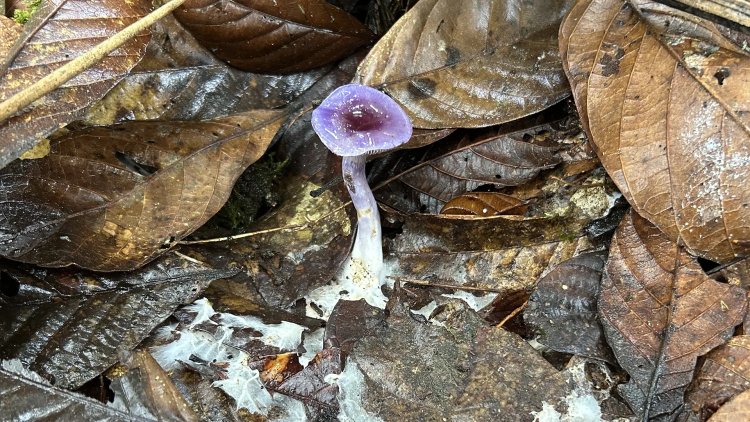
83% of ectomycorrhizal fungi, vital subterranean life that sustains forests and governs climates, are undescribed and unnamed and thus invisible to global conservation. These fungi, without which forests cannot sequester carbon or support biodiversity, are for the most part known only by environmental DNA (eDNA) sequences, unconnected from formally described species.
Research, which was released in Current Biology on 9 June 2025, discusses the degree of so-called "dark taxa": fungal taxa that have been identified genotypically but yet to be afforded adequate taxonomic status. Ectomycorrhizal fungi are symbiotic with approximately 25% of plant species worldwide, contributing to nutrient uptake, enhancing stress resistance, detoxifying toxins, and facilitating the storage of carbon in soil. Even though they are ecologically important, most of them cannot be incorporated in formal plans of conservation since they lack scientific names.
The world review was conducted by Society for the Protection of Underground Networks (SPUN) group in partnership with the researchers from ETH Zurich and other institutions across the world. The review highlighted that only 155,000 of the estimated 2 to 3 million fungi species on the globe have been scientifically described. Their lack of formal description restricts their integration into conservation policy and planning, which historically is based on described species.
Environmental DNA sequencing is no longer a rare method of the determination of fungi in soil and root material. The technique harvests genetic footprints that organisms release into the environment. DNA sequences, however, cannot be allocated to named species for most ectomycorrhizal fungi. This lack of classification poses significant challenges to determinations of their presence and significance in ecosystems.
The research charted the world's hotspots where these unclassified species are most abundant. They are the tropical rainforests of Southeast Asia, the Amazon, the Congo basin in Central Africa, and coniferous forests of Mongolia. These remain underfunded for scientific investigation and have a tremendous gap in knowledge regarding how the biodiversity is down there in these crucial ecosystems. The review urges greater international collaboration and funding to advance mycelium research, particularly for the tropics and southern hemisphere.
Ectomycorrhizal fungi contribute importantly to climate regulation. Ectomycorrhizal fungi sequester more than 9 billion tonnes of carbon dioxide per year, which is more than 25% of fossil fuel emissions. They are of similar importance to trees in maintaining forest health and regulating the climate, yet fungi are less recognized and less well conserved.
One of the most prominent issues raised in the research is the imbalance in research activities globally. The majority of the research on fungi has been concentrated within temperate zones, mainly the Global North, even though tropical and mid-latitude zones have been proved to cover significantly higher proportions of unknown fungal diversity. The deficit in research affects not just our knowledge of global biodiversity but also climate decision-making as well as land use.
The researchers have suggested numerous means of reducing the dark taxa problem. One is speeding up the gathering, cataloging, and sequencing of the fungi, especially from less sampled areas. Mushroom-standing collections preserved in the botanical institutions, which are mostly made up of specimens decades old, are another source that can be tapped. Sequencing the older specimens can be used to connect unidentified eDNA sequences to recognized specimens and enhance species identification.
It has been estimated that nearly all of these dark taxa are likely to be linked with endangered plants. This is yet another threat, as host plant species loss may cause extinction of entire fungal communities prior to their even being discovered. The scientists suggest that unless drastic measures and consideration are urgently necessary, critical elements of below-ground diversity will be irrecoverably lost.
Conservation measures have to address this knowledge gap by implementing mechanisms of conserving ecosystems even in areas where the entire list of species has not yet been enumerated. The scientists further contribute that preserving hotspots of subsurface fungal diversity, proxied through eDNA signatures, can act as an effective temporizing action until taxonomy activity keeps pace. This change of tack can necessitate conservation frameworks to move beyond species conservation and take on more integrated ecosystem and genetic diversity goals.
The evidence makes the case for fungi to be more formally included in climate and conservation policy. Fungi are not generally covered in major biodiversity frameworks or international agreements, yet they are crucial. The data pointed out here can potentially fill that gap and give incentive for global institutions to pay attention to underground biodiversity when they take action on climate action.
The expanding availability of sequencing technology offers a pathway forward, but there must be investment in training, infrastructure, and research investment in the field to make it happen. There must also be enhanced representation by scientists from underrepresented areas to give a thorough and equitable understanding of fungal biodiversity globally.
As climate change speeds up and ecosystems get more and more stressed, the responsibility of fungi in preserving systems' resilience grows more important. This research is a call to action for scientists and conservationists alike, emphasizing the importance of recording and preserving these hidden allies prior to their ecosystems—and their role in maintaining the planet's systems—becoming lost forever.
Source & Credits:
Source: SPUN (Society for the Protection of Underground Networks)
Published: Current Biology, 9 June 2025
Lead Authors: Laura G. van Galen, Camille Truong, Adriana Corrales, et al.
Original publication link: www.sciencedaily.com/releases/2025/06/250615020607.htm
Image credit: Adriana Corrales / SPUN
What's Your Reaction?

















