Superpowers Compete for Arctic Influence Amid Melting Ice and Geopolitical Tensions
Global powers including China, Russia, the US, and Europe are competing for control of the Arctic amid rapidly melting ice, unlocking vast natural resources and new shipping routes. Rising tensions, military activities, and indigenous rights concerns highlight the complex geopolitical dynamics shaping the region's future.
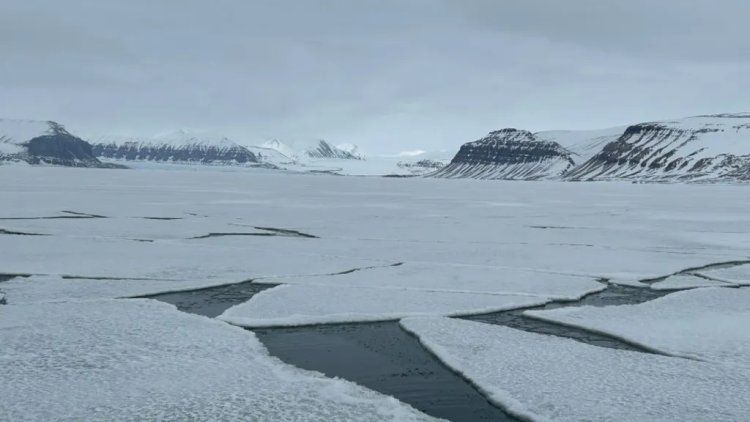
The Arctic has become the geo-political hotspot with superpowers competing to harvest its enormous natural resources and new shipping routes. Just ten years ago, the Arctic was considered to be out of bounds and far away, but today it is growing at a pace four times higher than the rest of the world, unveiling unseen reservoirs of oil, gas, and strategic minerals as well as new sea routes that have the potential to cut the shipping time from Europe to Asia by half. This geo-environmental change has increased the intensity of competition among influential countries such as China, Russia, America, and European countries to become the leadership in the geopolitically strategic region.
China has positioned itself as a "near-Arctic state" although its northernmost city is Harbin, far south of the Arctic Circle. The country is actively preparing for the Arctic presence with investments in infrastructural projects, real estate development, and opening up research institutes. China's move is one of the elements of its bigger "Polar Silk Road" initiative to increase shipping routes through the Arctic as a means to connect Asia and Europe. But some of the nations of Europe's Arctic circle have rejected Beijing's efforts to acquire airports and ports, including some of them in Sweden, Norway, and Greenland.
Among the objectives of that war is Norway's Kirkenes port situated on the Arctic Circle near Russia. The Norwegian government is busy conceptualizing the port as a trans-shipment hub of Asian, North American, as well as European trades, but prevent excessive foreign ownership, particularly Chinese. The Norwegian government has enacted laws that ban the sale of strategic infrastructure to a foreign company that threatens national security. Citizens are also worried about increased Chinese presence and how it can impact domestic rule.
Russia possesses about half of the Arctic shoreline and is the dominant force in Arctic geopolitics. Russia furthered its ties with China, opening itself to Chinese investment and conducting joint military maneuvers in the region. The two nations conducted combined patrols and long-range bomber flights off US coasts, indicating collaboration to balance NATO's growing presence in the Arctic. Moscow, however, does not want to be over-reliant on Beijing and wants control of its own Arctic resources, along with enjoying other superpowers' investments, including the US.
The subsequent military tensions are therefore clear with Norway keeping Russian actions closely under watch. Its Arctic command center, situated in a highly fortified mountain complex, keeps suspicious ships and possible threat to underwater resources like communications cable and pipelines under surveillance. Russia's development of its nuclear-powered submarine fleet and expanding its Northern Fleet present NATO with a serious threat to local security. They do have tensions between them, yet their Norwegian and Russian military commanders still talk to each other enough to avoid miscalculation and the increased tensions.
The Norwegian archipelago of Svalbard, situated halfway to the North Pole, is the very emblem of the excellent balance between global cooperation and rivalry. With visa-free access under a treaty with signatory state citizens, Svalbard boasts on its shore mining, tourism, and research missions. Nationalist bravado and spy plots, however, particularly from Russian and Chinese quarters, indicate nascent rivalries at the top of the world.
Indigenous groups across the Arctic have forcefully resisted the rising geopolitical trend. Governments point to climate change as a reason for expanding resource exploitation and control over territory at the expense of indigenous people's rights and interests, which have inhabited the region for more than a millennium, in their perspective. Activists are raising an alarm against "green colonialism" and demanding increased indigenous sovereignty and control over the decision-making process.
The Arctic was previously a symbol of international cooperation where the world's nations joined hands to protect the continent's environment and resources. Today, rising tensions and strategic interests have eclipsed this spirit of cooperation and raised the risk of war and miscalculation in one of the globe's most volatile hotspots.
Source:
Katya Adler, BBC News, Reporting from Northern Norway and Svalbard
What's Your Reaction?