Snakes: Friends, Not Foes
Snakes, often misunderstood and feared, are vital to India’s ecosystem and agriculture, and protecting them is essential for both biodiversity and human well-being
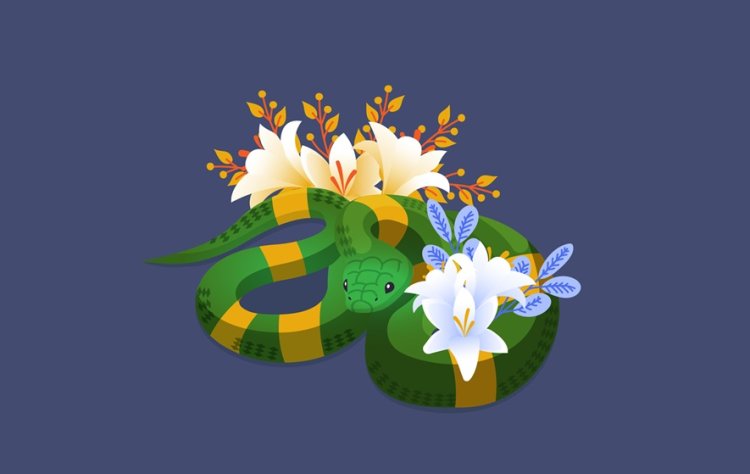
There is often a question to be asked: “Is this species useful to us?” If yes, it deserves protection. If not, it is often targeted for eradication. This kind of thinking has made conservation dangerously human-centric—everything is measured by how it benefits us. But the natural world doesn’t work that way. Snakes, for example, may not win any popularity contests, but they are indispensable to the ecosystem—both as predators and prey.
Snakes feed primarily on rodents. And if you know how rats breed, you will understand the scale of that service. According to some researchers, the Earth is home to more rats than human beings. They harm crops, contaminate food supplies, and spread diseases. If it is a chemical-free control, snakes represent the only predators naturally evolved to check the rodent population. Without them, our grain stores, farms, and cities would be overrun.
And yet, many still see snakes only as dangerous pests. “If it helps us, we keep it. If not, we kill it,” says a veteran herpetologist who’s worked with snakes for over 17 years, especially the majestic King Cobra—the longest venomous snake on the planet, capable of growing up to 18 feet and producing enough venom to theoretically kill 30 people. But these creatures are not just powerful—they're intelligent. “They look you straight in the eye, just like a tiger,” he adds.
India’s Quiet Snake Crisis
Snakes in India are under threat from all sides—habitat loss, road kills, illegal pet trade, the skin industry, and superstition-fueled killings. Forests are being cleared for roads, cities, and industries. Between 1987 and 2017, forest cover increased in five southern Indian states but declined significantly in the Northeast, according to a WWF-cited Times of India report. The balance is misleading, and the loss is real.
Roads are another silent killer—thousands of snakes die each year under vehicle tires. Meanwhile, India's snakes are illegally trapped and sold to foreign pet markets. Most don’t survive the journey, leading to a vicious cycle of fresh poaching. Even so, King Cobras, often dubbed the "tigers of the reptile world", are starting to emerge as flagship species in reptile conservation, helping to shift public perception.
Not Just Killers, But Life Savers
Ironically, venom—often seen as deadly—is being used to save lives. Snake venom has led to breakthroughs in life-saving drugs for heart disease, cancer, and blood pressure. In India, scientists are just beginning to Ironically, venom-typically seen as something harmful-is actually being used to save lives. Snake venoms have given rise to life-saving drugs for heart disease, cancer, and blood pressure. In India, scientists are only now just beginning to turn their attention to this field. Keeping venomous snakes alive could propel medical breakthroughs that we have not even thought about.
Outside of medical science, snakes are a vital food source for birds of prey and mammals. Their presence assures the balance of nature. For humans, they help in crop security, encourage less pesticide use, and are actually great for biodiversity.
Viewing Snakes With a Fresh Eye
Interactions change perceptions. The more you observe them—first from a distance, then closer—you begin to understand they are not the threat. They are the survivors on earth. They are not a threat to us, however, human are the threat to them. This small change in viewpoint could make the difference between a world where ecosystems are flourishing and one that is plagued by imbalance, illness, and pests.
Even culturally, snakes are not strangers to India. Nag Panchami, celebrated during monsoon, is a reflection of our long-standing reverence for these reptiles. But it’s time to match Indian rituals with action and ensure their survival—not just through worship, but through habitat conservation, scientific research, and public education.
Because in the end, saving snakes isn’t just about them. It’s about saving ourselves.
What's Your Reaction?