The Hidden Truth Behind the 20-Litre Water Bottle: What We Don’t See
Millions of Indians trust 20-litre water jars for safe drinking water, but behind the clear bottles lies a hidden story of contamination, chemical exposure, and environmental damage.
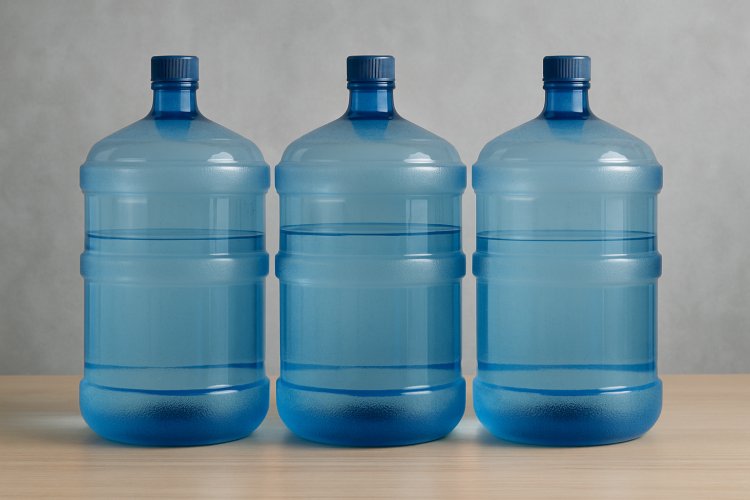
Every day, millions of people in India buy those big blue 20-litre water bottles and believe that the water inside is clean and safe to drink. However, the biggest reality is the water might not be as safe as much we think. People trust them because they seem convenient and easy to get and finds healthy. You find these jars almost everywhere such as in offices, homes, gym, restaurants and schools. Behind the clean and shiny bottles there can be hidden problems, let’s find out the truth behind that bottle.
The Reality: Reused, Refilled, and Often Unregulated
Most 20-litre bottle cans or RO jars are reused hundreds of times. The companies say the bottles are properly cleaned and refilled in a safest way, but the ground reality is different. In many cases local refill these bottles without having proper license or BIS certification, using tap water or borewell water that passes through old and poorly maintained RO filters. When samples of these water are tested, harmful germs such as E. coli, Pseudomonas, and even fungus are found. The bottle caps are usually resealed instead of being replaced with new ones, and the bottles inside can develop thin layer of bacteria called biofilm. Once the layer if formed, it is difficult to clean completely. A Kolkata study revealed that 44% of unbranded 20-litre jars contained unsafe levels of coliform bacteria, while civic tap water tested safer in comparison.
Health Hazards You Might Be Drinking
Some of the hidden problems with water stored in 20-litre bottles are that they may appear clean, but they have several hidden problems. Generally, these bottles are made from polycarbonate plastic, type 7 or PET, which are known to release Bisphenol-A or phthalates, especially when it is exposed to heat or sunlight. The water inside may also get contaminated with bacteria because the refilling of water is done at unhygienic places. This means the water carry germs that cause diseases like typhoid, diarrhoea, or hepatitis A. On top of that, most of the water is processes through low-quality RO filters that remove essential minerals as well such as calcium, magnesium and potassium. The water we drinks lacks nutrients that our body needs. Another issue is how bottles are stored. The water in bottles stays for days and weeks without having any expiry date. Since there are no expiry date bacteria can multiply inside even when the bottles are sealed.
According to 2025 global review, bottled water may contain 10-100 times more microplastics than it was estimated earlier. Once microplastics and nano plastics are ingested it can disrupt immunity and can cause long term inflammation. Despite all this, most 20 litre bottles have no expiry date, no records of usage of bottles and no safety certification.
Why No Expiry Date?
Here’s the real irony behind India’s drinking water system. Packaged drinking water bottles that we usually buy from shops don’t have expiry date of around 6–12 months because they are single use plastic, sold as sealed and there are clear rules about how long the water inside can stored safely. But the large 20 litre bottles are different, they are considered as reusable containers. Due to which they don’t follow the same strict standards set by the (the Bureau of Indian Standards) BIS. Company says that they are not selling the bottles, they are selling the water. So, they don’t print any expiry date on it.
This creates a big loophole. It allows suppliers to reuse bottles without proper monitoring and regulations. There is no way a consumer may know how old the bottle is and for how long the water can be stored.
The Environmental Cost
The use of 20 litre plastic water bottles also harm environment in several ways. These bottles are not only about water we drink but their entire life cycle cause pollution. Each bottle is transported over long distances in diesel vans which add pollution and carbon emissions. Before being refilled with water, bottles are washed using large amount of water mixed with chemicals which flow into drains untreated and contaminate soil and groundwater. After being used many times, the bottles become scratched and once it happens, they can no longer go for safely recycling. The plastic used in these jars becomes difficult to recycle because it absorbs dirt, germs and chemicals over time. At the end, most of these bottles are burned which releases harmful gases into the air or dumped in landfills, where they slowly break down and leak toxins into the soil and groundwater.
India generates more than 3.4 million tonnes of plastic waste every year, and large water bottles contributes significantly especially from large-format containers.
Safer and Sustainable Alternatives
The good news is that we already have sustainable alternatives and simple solutions than people think. One of the best alternatives is bamboo bottles: a gift of nature, which are crafted from naturally treated bamboo and are found in regions like Assam, Nagaland, and Meghalaya. It is 100% biodegradable, antibacterial and cools water naturally.
Another best alternative and price friendly are Mud or terracotta bottles which are made from pure clay (mitti). These bottles cool water without electricity and even add beneficial minerals such as calcium and magnesium. These are ecofriendly, chemical free and have been used in Indian homes for centuries.
If not clay or bamboo bottles or for more durable option, stainless steel or glass bottles are preferable. They don’t react with water, durable and fully recyclable. They are safe to use and easy to clean. These bottles are ideal for office use, schools and travel use.
Finally, modern solutions like community water ATMs and home purifiers are becoming more common. Many smart cities and NGOs are installing RO + UV + mineralizer ATMs that are affordable, refillable water, reducing the need for plastic jars.
Together these alternatives proves that clean water doesn’t have to come in a plastic bottle. With a mix of awareness, we can ensure safe and hydration that is good for both people and environment.
What You Can Do Today
People must stop buying 20 litre bottles that do not have proper ISI or BIS certification and no guarantee of safe water inside. If buying such bottles, ask your supplier about the source of water, how many times the bottle is used and whether they have valid license or not. Also, you can transfer the plastic wrapped bottle immediately into large earthen pot to refuse usage of plastic water bottles. Instead of depending on these bottles, its better to install home water purifiers or eco friendly bottles. Most importantly, awareness is key, the more people will start questioning about the safety and authenticity, the harder it will become for suppliers to continue operating without any proper licence. Change only starts there, where consumers start demand.
The Bigger Picture
India’s bottled water business is growing fast, and it is expected to cross ₹400 billion by 2030, yet the country still doesn’t have clean water to drink from their cities. The more we depend on plastic water bottles, the more we are moving away from the permanent and long-term solutions to make public water systems better.
Clean water is a right, not a commodity. It’s time to question the blue bottle we blindly trust because true purity should never come at the cost of our health, the environment or honesty.
What's Your Reaction?