Tyres Identified as Major Source of Microplastic Pollution
Tyre wear is now recognised as a leading source of microplastic pollution, impacting aquatic life and potentially human health. Researchers are developing sustainable biofilters using wood chips and biochar to trap harmful particles in stormwater runoff. These filters could provide an affordable, eco-friendly solution to reduce pollution from tyres.
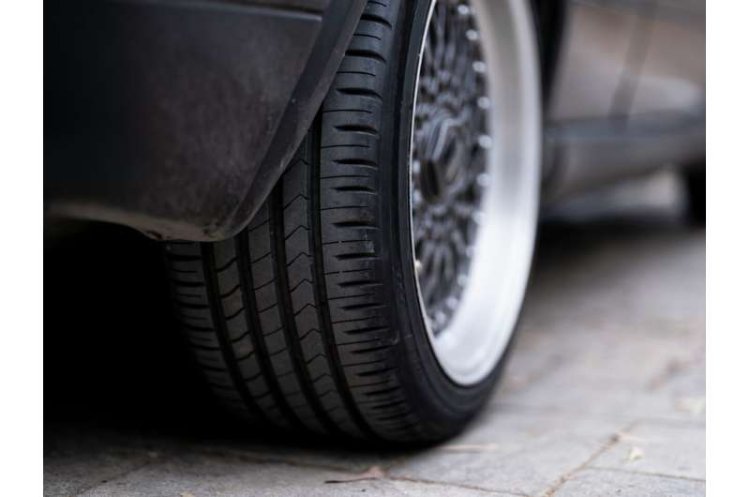
One of the most major microplastic polluters globally is tire degradation, actually more than more often acknowledged offenders like plastic bags and straws. Tyres release synthetic rubber fragments containing a cocktail of chemicals as they move down roads. Rain carries them into lakes, rivers, and finally seas; they are washed into water bodies. This sort of pollution's health and environmental repercussions are attracting growing attention.
Recent studies show that roughly 45% of all microplastic contamination in land and aquatic environments comes from tyre wear particles. Fish, crabs, and shellfish—that is, aquatic life—often consume these tiny particles. Toxic compounds leaking from the particles can accumulate in these species, maybe harming them as well as any other human or animal consuming them. Certain fish, including rainbow trout, brook trout, and coho salmon, were discovered to display high mortality correlated with tyre chemical use—particularly 6PPD-Q, a toxic substance produced upon reaction of 6PPDused to protect tyres from deterioration with ozone in the atmosphere.
More than half of coho salmon returning to spawn were killed by 6PPD-Q exposure in Washington state, scientists found. The chemical has been discovered in Chinese people's urine specimens since then, pointing to pervasive exposure. Although research on the whole health impacts on humans is ongoing, early results show it could damage kidneys, lungs, and liver.
The danger applies not only to marine life. Because of animal and human exposure, especially for those living next to busy highways, airborne tire particulate matter poses a danger. Ingestion of the particles might cause respiratory and systemic symptoms. In just 24 litres of stormwater runoff from an urban area in Oxford, Mississippi, the researchers found more than 30,000 tyre wear particles during storm events. Areas with more traffic will probably have considerably greater levels.
Although environmental authorities have proposed looking for substitutes, manufacturers of tires contend there is as yet no suitable replacement for 6PPD notwithstanding the well-known dangers. Other initiatives to control pollution are under study pending the development of suitable alternatives.
Researchers at the University of Mississippi are developing affordable filtration systems meant to catch tire wear particles before they reach natural waterways. Pine wood chips and biochara form of charcoal made by burning biomass such rice husks in constrained oxygen make up the filters. Biofilters took away up to 90% of tyre wear particles from rainwater in recent experiments.
By using biochar and wood chips in a fabric sock at drainage sites, the filter works. The jagged tyre particles make a porous structure and get trapped as water passes through. Test storms discovered even small particles. Success with this process shows that local fighting of microplastic contamination is possible using inexpensive and renewable materials.
With its great surface area, chemical binding capacity, and stability of water treatment, biochar is especially promising. With their natural organic compound abundance, wood chips also have great capacity for impurity elimination. Though sand was once used as a means to filter microplastics, it was less effective than biochar. Still, long-term monitoring and research must be done to assess the reuse potential and lifespan of these filters under various traffic and weather situations.
Because the pollutants build up over time and the materials break down, there are safe disposal issues for the used filters. Though pyrolysis biochar is inert and nontoxic, badly processed raw farm waste may eventually release poisonous organic compounds to the water. Therefore, to ensure environmental safety, sourcing and preparation are very crucial.
In metropolitan areas where road runoff is a significant problem, the use of such filtering systems could be especially beneficial. By having tyre wear particles taken from the source, communities can stem the tide of microplastics and dangerous compounds into ecosystems. Given the few ways at the factory level to reduce tyre pollution, this is especially helpful.
The growing understanding of how much tyre wear adds to plastic trash stresses the need of all-encompassing environmental protection plans. Though a long-term goal is a substitute for dangerous tyre chemicals, initiatives like biofilters are instant and easily applied. Such activities might help considerably to reduce the environmental effect of daily transportation as research and support grow.
Source:
Provided by The Conversation
Original authors: Boluwatife S. Olubusoye and James V. Cizdziel
Edited by Lisa Lock | Reviewed by Andrew Zinin
What's Your Reaction?