Microsoft is investing in its first carbon offsetting project in India, supporting the planting of 11.6 million trees in Madhya Pradesh to remove 3 million tonnes of CO₂. The initiative combines environmental restoration with community benefits and long-term sustainability.
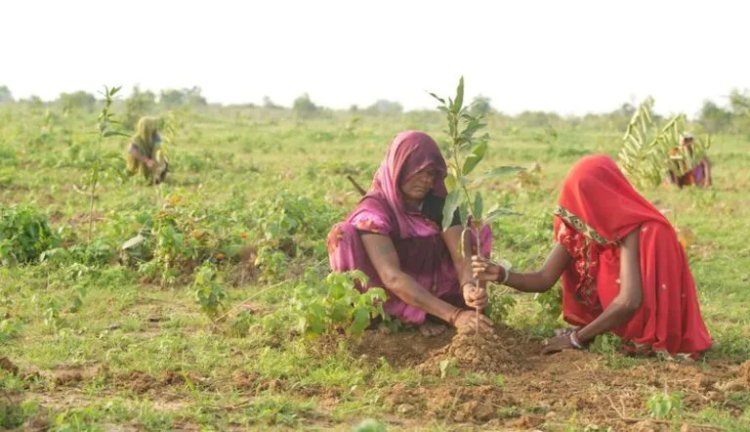
Over three decades from an afforestation initiative in Indias Madhya Pradesh, Microsoft has inked a long-term deal to buy 1.5 million tonnes of certified carbon reduction credits. Under the direction of Climate Impact Partners, the Panna afforestation project is sponsored by funding from Terra Natural Capital. With a total carbon removal goal of three million tonnes of CO over its life span, this project will plant up to 11.6 million native trees across 20,000 hectares of degraded farmland and community-owned property. With half of this total, Microsoft's acquisition is its biggest carbon removal initiative in the Asia-Pacific area and first offset project in India.
With ongoing work in stages, around 1.2 million trees have been planted throughout 100 towns to date. Native tree species are incorporated in the project to match local circumstances, boost biodiversity, and boost the prospects of long-term forest survival free of the great resource needs connected with non-native quick-growing species. The area undergoing restoration is bigger than the size of Washington, DC.
Financial commitment, carbon certification, and on-ground implementation form the afforestation model. Before the agreement was signed, Climate Impact Partners led three years of project planning, pilot tests, and outside due diligence. Microsoft's multi-decade buying commitment guarantees the project financial stability and long-term sustainability.
The initiative offers community-oriented aspects in addition to its environmental goals. Revenue from carbon credit sales should help local people and farmers financially. Their income also rises from the gathering and marketing of medicinal plants and fruit from the trees. The project provides training in climate-smart farming practices to help yields and boost resilience. Intended to improve output while saving resources, these methods could involve crop rotation, precise irrigation, and the application of organic fertilizers.
Another important topic covered by the project is water conservation. Developed to aid tree growth, particularly during early stages, infrastructure includes ponds, borewells, and drip irrigation systems. Furthermore enhancing community access to water, these systems increase drought resistance and lower strain on regional water supplies.
The initiative aims to undo some of the harm done by earlier logging, excessive grazing, and unsustainable farming methods by reforesting disturbed land. Over time, the woodlands will provide various environmental benefits including halting soil erosion, enhancing water quality, and rehabilitating habitats for local animals. As the environment mends, reintroduced butterfly and bird species are also expected.
The Panna afforestation project demonstrates how corporate carbon offsetting can be used to support long-term environmental and social-economic benefit-driven nature-based climate solutions. Unlike other carbon offset models that typically fail short of impact, Microsoft's 30-year scope provides the project time to provide quantifiable results.
By 2030, Microsoft wants to be carbon neutral; 2050 will see eradication of all of its past emissions. By eliminating atmospheric CO and presenting solutions to purely emissions-reduction measures, projects like the one in Panna help to achieve this objective. Though the idea of carbon offsetting is still open to discussion, initiatives like this aim to solve problems by guaranteeing local advantage, biodiversity gains, and long-term management plans.
With its large population and land assets, India is ideally suited to take the lead in extensive nature-based climate projects. Combining public-private partnerships, ecological restoration, and local economic development, the success of the Panna project might provide a model for other projects in the area.
Companies are under more pressure to act as commitments to climate change become more strict. Other companies wanting to achieve climate goals in a disciplined and responsible manner could reproduce the Microsoft-Climate Impact Partners approach. Afforestation, community involvement, and long-term financial support combined provide a pragmatic path to achieving environmental sustainability along with financial viability.
Source:
25 July 2025: Grant Brown, Climate / South Asia
Image Courtesy: Climate Impact Partners (www.climateimpact.com)
What's Your Reaction?