Aromatic plant Plectranthus barbatus is emerging as a sustainable alternative to traditional toilet paper in Africa. Its quick growth, low cost, and eco-friendly properties make it a potential solution to deforestation and environmental harm caused by wood pulp-based products.
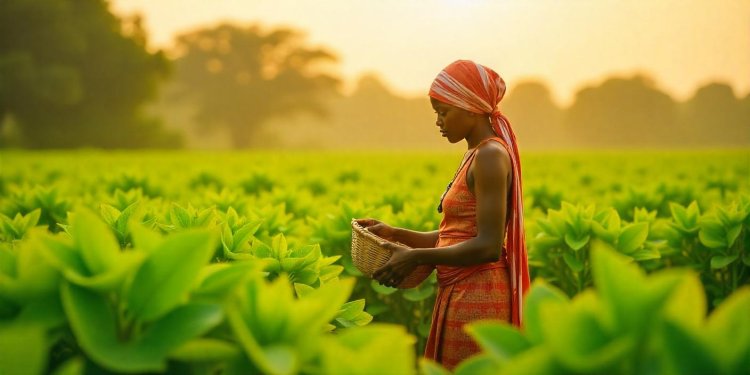
An herb with a peppermint scent, Plectranthus barbatus, is increasingly being used as a sustainable and natural alternative to toilet paper in parts of Africa. While deforestation across the world and wood pulp-associated environmental problems that are linked with toilet rolls escalate, the plant-based solution is being considered for its ability to reduce environmental impact and bring more sustainable hygiene into practice.
Use of toilet paper worldwide is one of the largest contributors to deforestation, and millions of trees are cut down every year for sanitary reasons. This application has tremendous ecological consequences such as loss of bio-diversity, enhanced carbon footprint, and degradation of soil, especially in the most sensitive nations or poorer countries where trees are being cut to be used for the same ends. The conventional method of making toilet paper, which is wood-pulp-based, is resource intensive and expensive.
Owing to these limitations, Plectranthus barbatus has been used as a substitute by many African communities, especially in Kenya. This is a leafy plant which grows in the hot weather. The leaves of the plant are tender and have a beautiful mint smell, grow very fast, and mature to harvestable size in months. It has broad leaves which are sensitive to touch and which are just like normal toilet paper in shape and feel, thus making it a reliable and affordable substitute.
The plant can be grown on a small scale, even on household gardens, with houses possessing an independent way of staying clean. A few of the pioneering developers have used it for decades to lower their commercial toilet paper consumption. It is particularly worth it in regions where the buying of paper products is economically impossible or where these are inaccessible.
The increasing price of wood pulp in international markets has also served to bring into focus the necessity for alternatives. With its low-cost, biodegradable, and fast-renewable status, Plectranthus barbatus is a sustainable alternative that would be capable of alleviating pressures on forests and mitigating supply chain effects around toilet paper production.
As much as this is true, though, large-scale production of the plant is hindered by infrastructural, logistical, and cultural limitations. People view leaf-based hygiene as substandard or traditional and hence eschew extensive usage even where the plant is only present. The plant is seen as a weed in certain regions of Africa, a factor that brings concerns about its unregulated spread and attendant ecological disturbance. Experts, however, contend that surveillance and careful planting can avoid overgrowth without ruling out practical use.
Technically, the second barrier is an infrastructure compatibility barrier. The conventional water treatment and plumbing infrastructure in most nations is not compatible with fibrous plant material, which would be problematic if installed in nations with high levels of sanitation infrastructure.
In spite of this, environmental organizations and agencies continue to promote Plectranthus barbatus as a green alternative. Public awareness campaigns, education, and pilot initiatives are being undertaken to create awareness about the benefits of the plant and safe cultivation. Small-scale cultivation is also being carried out outside Africa, with activists and researchers trying to introduce the plant to other regions of the world, including the United States, as part of sustainable living initiatives.
Concurrently, producers of toilet paper worldwide are also seeking cleaner means of production. European manufacturers have already made the transition to producing with recycled materials, but also on the shoulders of energy- and resource-consumptive industrial processes. Plectranthus barbatus offers a decentralised, natural method that need only be processed sparingly.
Locals and African leaders have also started to organize for increased awareness of the plant's potential, especially among rural and semi-urban communities. They are educating communities about its economic and ecological value with a view to legalizing its adoption as part of sustainable hygiene measures.
Its use as a substitute for toilet paper is but one of the increasing trends towards sustainable, locally sourced solutions to basic needs. While cultural and infrastructural barriers remain, the low price, rate of growth, and environmental benefits of the plant make it a strong contender to wean the reliance on wood pulp-based hygienic products. With the world turning increasingly green, such natural options may increasingly be turning mainstream, particularly where ecological devastation as a consequence of deforestation already has a heavy price tag attached. Community education and awareness creation for the time being will be the means to utilize its full potential. Source/Credits:
Source: KnowESG
What's Your Reaction?