NCRTC has begun sourcing electricity through a power exchange for its Ghaziabad RSS, targeting £1 crore in annual savings and 15% green energy use, enhancing cost-efficiency and sustainability for the Namo Bharat corridor.
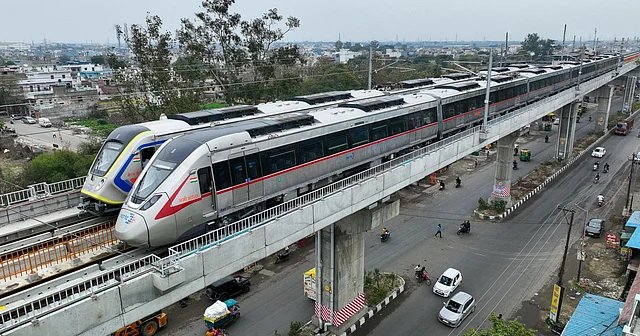
The National Capital Region Transport Corporation (NCRTC) has started sourcing electricity through a power exchange for its Ghaziabad Receiving Sub-Station (RSS), aiming to reduce costs and promote sustainability. This move marks a shift towards more economical and cleaner energy for train operations and station infrastructure along the Namo Bharat corridor.
The Ghaziabad RSS connects the Namo Bharat corridor to the national power grid. By procuring electricity through the power exchange, NCRTC expects to save approximately £1 crore annually from this single drawl point in the first year. The corporation consumes around 326 million units of electricity each year, with energy costs totaling nearly £300 crore, accounting for 30-35% of its operational expenses. To support this transition, NCRTC has signed agreements with Power Trading Corporation (PTC India Ltd) and Uttar Pradesh Power Transmission Corporation Limited (UPPTCL). Electricity from the exchange is more cost-effective than traditional distribution utilities, providing financial benefits.
Additionally, NCRTC plans to source at least 15% of its power from green energy through the exchange, reinforcing its commitment to sustainable practices. The power exchange model is being implemented in phases, starting with the operational sections of the Delhi-Ghaziabad-Meerut corridor. Currently, 55 km of the corridor with 11 stations is operational, with full commissioning expected later this year. The model will expand to other drawl points in Uttar Pradesh and Delhi as the corridor becomes fully functional.
This initiative aligns with broader efforts to optimise energy use in public transport infrastructure. By leveraging the power exchange, NCRTC can access competitive electricity rates, reducing the financial burden of high energy costs. The focus on green energy also supports India’s renewable energy goals, contributing to a reduction in carbon emissions. As the corporation continues to expand its operations, this strategy could set a precedent for other transport authorities seeking to balance cost-efficiency with environmental responsibility.
In conclusion, NCRTC’s adoption of the power exchange model demonstrates a practical approach to managing operational costs while advancing sustainability. The anticipated £1 crore annual savings from the Ghaziabad RSS highlights the financial viability of this strategy. As the model extends across the corridor, it could enhance the efficiency and environmental impact of the Namo Bharat corridor, supporting India’s transition to cleaner energy solutions.
Source: Outlook Business
What's Your Reaction?