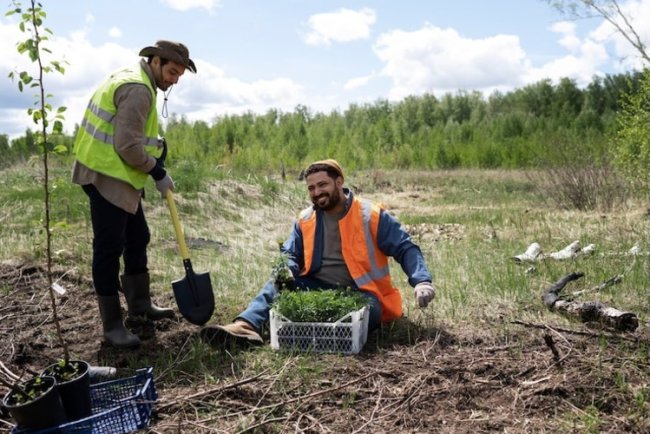
New city-focused toolkits in Nepal, Ethiopia and Malawi provide guidance on using urban greening to reduce air pollution, manage heat stress and improve climate resilience in rapidly growing urban areas.
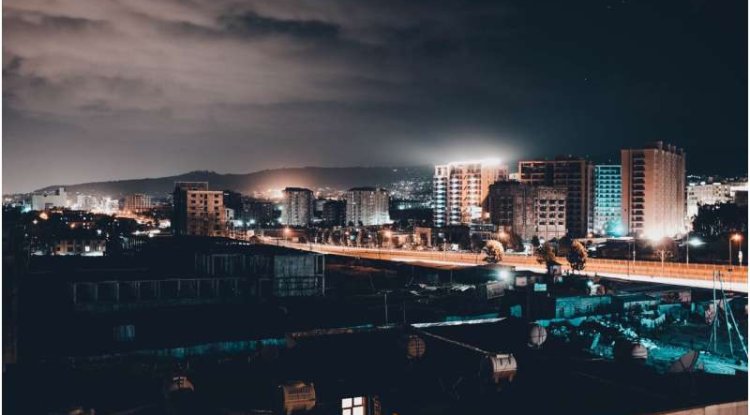
Country-specific urban greening toolkits designed to assist cities in Nepal, Ethiopia, and Malawi in addressing problems such as air pollution and warming, among others associated with rapid urbanization, have been launched in the cities.
The toolkits resulted from a partnership between the Global Centre for Clean Air Research at the University of Surrey, universities in each country, and other partners. The guidance is meant to help urban planners pick appropriate vegetation-based interventions that would be ideal in addressing issues within their localities.
The toolkit recommendations are different among the three countries, depending on the environmental concerns that exist in those places. Nepal's toolkit deals with issues of air pollution, biodiversity, and heat. Ethiopia's focuses on air quality, public health, and heat, while Malawi's toolkit looks into issues of air pollution, heat, and flood threats.
The initiative takes into consideration the fact that in many cities in low- and middle-income countries, urban planners are grappling with issues resulting from population growth and increasing transportation, among others, and climate impacts. Issues of poor air quality and warming, among others, pose an extra risk to public health.
According to the research team, fine particulate matter exposure is still one of the concerns. Air pollution is among the factors leading to a high number of early deaths in Nepal. In Ethiopia, pollution in Addis Ababa has exceeded the recommended health standards, whereas in Malawi, the extensive use of biomass energy sources to cook meals is a significant contributor to urban air pollution.
The toolkits also provide information on the interventions that will help to create a green environment. The suggested interventions include roadside hedges, combination trees and shrubs, and vegetation in general, aimed at minimizing pollution from vehicles and reducing urban heat.
It is also important to consider that not all greening interventions are equally effective. For example, improperly carried out tree planting initiatives in the cities can reduce airflow and increase pollution levels in the cities. The guidance emphasizes the need for city authorities to assess local geographical features, climatic conditions, vegetation, and water availability before launching an intervention project.
The toolkits are designed as useful guides that will help the local authorities to make decisions regarding green projects and consider environmental issues when urban development plans are created.
This is one of many plans that have been made in order to enhance resilience against environmental and climatic risks in urban settings. The researchers stated that planning would assist urban centers in capitalizing on green infrastructure without negative repercussions.
What's Your Reaction?