After recording the hottest day of the year on February 16, weather conditions in Delhi-NCR are expected to take a sharp turn. With a western disturbance becoming active, the India Meteorological Department (IMD) has issued a yellow alert for February 18.
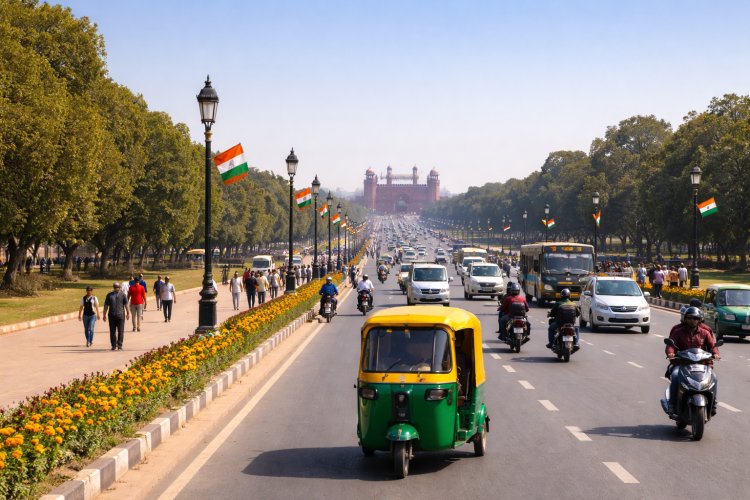
Residents of Delhi-NCR has been experiencing extreme sun exposure for the past few days, with the heat of February matching the intensity of March. On Monday, the city witnessed its highest temperature of the year so far. The highest temperature was recorded almost 32°C.
However, in the midst of the extreme sun exposure and unseasonal temperatures, a change in weather is now expected. A new western disturbance is forming over the Himalayan range, which will bring a drastic change in the climate of Delhi, Noida, and Gurugram.
Yellow Alert Issued for February 18
According to the India Meteorological Department (IMD), Delhi-NCR is likely to experience heavy rainfall on Wednesday and for that yellow alert has been issued, indicating a major shift in the weather. By Wednesday, the national capital and its surrounding regions are expected to experience a major change, with dark clouds covering the entire sky.
There are chances of heavy rainfall and strong winds reaching a speed of 40 km/h. The cloud formation may become so dense that it might lead to dark conditions even in the afternoon. Lightning and strong winds are also expected, resulting in a fall in temperatures and providing relief from the rising heat.
Heat Record and Rain Impact
The sudden increase in temperatures in mid-February has come as a shock to weather analysts. Clear skies and reduced wind speeds resulted in direct sunlight, increasing the mercury to 31°C, as per Skymet Weather.
Rainfall expected on Wednesday is expected to lower temperatures to 27°C-29°C. Favourable weather conditions are expected to continue on February 19 and 20. However, this respite is expected to be temporary. From February 21 onwards, temperatures are expected to rise again, with the mercury expected to breach the 30°C mark.
Air Quality Improvement and Health Advisory
The winds carrying dust and rainfall are likely to remove pollutants from the atmosphere in the Delhi-NCR region. The Air Quality Index is expected to improve to 150-200, which may provide some relief to people suffering from respiratory diseases. However, sudden changes in temperature are likely to increase the risk of diseases such as the common cold and flu. Experts recommend that people continue to wear light warm clothing during early mornings and evenings and use masks when exposed to fog or dust.
Possible Impact on Traffic and Flights
There are light haze and fog possibilities in Delhi on Wednesday morning. This could further affect road visibility. Unfavourable weather conditions, such as thunderstorms, could cause minor delays in flights. It is advised that travellers check the latest weather forecasts before stepping out. The skies will clear from February 19 onwards, but a slight chill may continue at the end of the month.
What's Your Reaction?