India has taken a major stride towards building a robust, resilient, future-ready power grid by securing a significant contract from NTPC for the construction of the project from a project design, engineering, procurement and construction service provider SPML Infra

NTPC on Thursday said that it has awarded the major contract for the battery energy storage project to SPML Infra, marking the project as a new beginning for further advancement of India's grid. The project, which represents a new section in India's grid evolution, was awarded the major contract by NTPC to SPML Infra.
India has taken a major stride towards building a robust, resilient, future-ready power grid by securing a significant contract from NTPC for the construction of the project from a project design, engineering, procurement and construction service provider SPML Infra. The initiative includes a comprehensive installation of a Battery Energy Storage System (BESS) on a vast scale in Bihar, marking India's stride toward adopting cutting-edge storage technologies alongside traditional energy systems to facilitate the expansion of renewable energy resources and enhance grid stability. It is an ambitious deployment of a Battery Energy Storage System (BESS) in Bihar, indicating India's progress in connecting high-tech storage solutions to energy infrastructure to support the growth of renewable energy and grid reliability.
The Rs 1,128 crore contract is SPML Infra's foray into the large grid-connected energy storage market. The project, located at NTPC's Barauni Thermal Power Station, involves developing the 1 gigawatt-hour (GWh) BESS project, which is one of the largest BESS orders in India. The project is expected to be finished within 18 months and is expected to be in operation and maintenance for 15 years.
The engineering, supply, and erection of a 250 MW / 1,000 MWh BESS are part of the scope of work for the project. This will include advanced battery & thermal management technologies, 5MWh DC containers, high voltage panel and well-equipped switchyards.
The project seeks to establish a new benchmark for a thermal plant's ability to incorporate a large-scale, energy-in-storage system, improving the plant's grid flexibility to enable more intelligent management of peaks in demand, help keep intermittent renewables, like solar and wind, securely in the grid, and reduce capital costs.
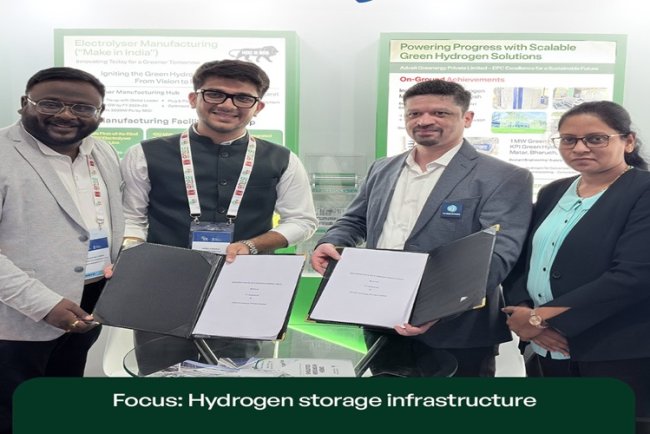
The cooperation with NTPC has become significant on par with CEA's vision to achieve 500 GW of no-fuel energy capacity by 2030. Battery storage is an important component of this shift, with a key part in helping to balance supply fluctuations ensuring grid stability. To complement its eAorts to build a strong technical capacity, SPML Infra has also tied up with tech company Energy Vault, indicating the company's intentions to integrate energy storage as part and parcel of its upcoming business growth initiatives.
The Barauni project can become a blueprint for the modernisation of other thermal and renewable plants in the country in the ongoing aggressive green energy transition for India. The initiative not only takes India a step closer towards becoming one of the global leaders in grid-scale storage, but also gives impetus to innovation and possible local manufacturing in the storage technology value chain.
What's Your Reaction?