Researchers have linked the rapid decline of Antarctic sea ice after 2015 to warming ocean waters and stronger storms, offering new insight into one of the region's biggest climate shifts.
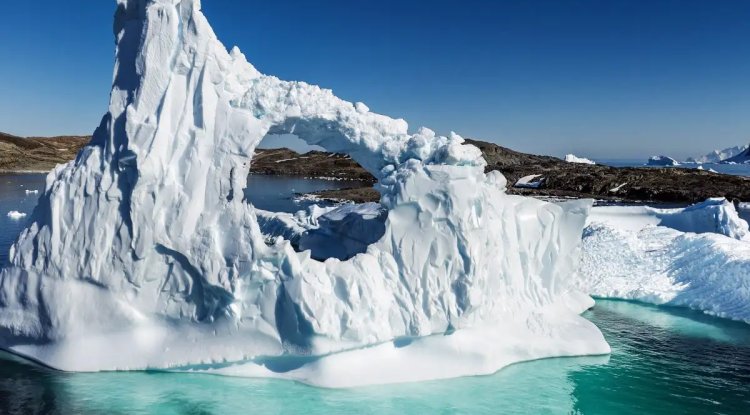
The precipitous drop in Antarctica's sea ice from 2015 is attributed to warming waters in the Southern Ocean that occurred below the surface, according to a study published in Nature Climate Change. The study provides insight into what led to the sudden loss of sea ice and concludes that it was not due to one particular weather event but rather changes in the Southern Ocean.
Scientists determined that warm deep ocean water had been approaching the surface over many years, and slowly eroding Winter Water, which was a cold layer of water that acted as an insulator between the sea ice and warmer waters. It limited the transfer of heat to the sea ice above.
The winter of 2015 experienced several powerful storms in the region, which disrupted the ocean and weakened the layer of insulation. As warmer waters came into contact with the sea ice, the melting process became faster and more extensive.
The finding was surprising because until 2015, the extent of sea ice in the Antarctic had been stable and even slightly increased in some years.
The analysis relies on almost two decades of observations from the Southern Ocean. Scientists integrated data collected from automated ocean observing equipment with information gathered by instruments attached to southern elephant seals. Dives made by the animals helped gather temperatures and salinity data for areas that usually remain unreachable to research vessels.
Such observations revealed that the warm layers formed under the surface much earlier than the melting of the sea ice began. The storms in 2015 caused the problem, but rather revealed a long-developing phenomenon.
The sea ice in Antarctica serves as a major climate regulator on our planet. Not only does it reflect sunlight into outer space and thus help cool our planet, but it is also a barrier that prevents heat exchange between the ocean and the atmosphere.
The conclusion drawn from the above findings is that the reduction in sea ice in Antarctica was caused by processes taking place underneath the ocean, which could only be seen after the layer of cold water was stripped away.
What's Your Reaction?