Nestlé will use regeneratively farmed wheat for KitKat production in the UK through a new Wildfarmed partnership.
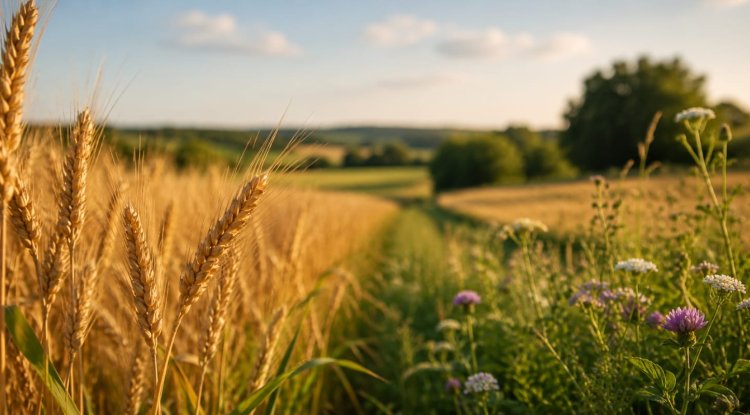
Nestlé has teamed up with Wildfarmed, a UK-based regenerative agriculture company, to bring regeneratively farmed wheat into KitKat production in the United Kingdom. This initiative will see wheat grown using regenerative farming methods used at Nestlé’s York facility, where about 1.5 billion KitKat bars are made each year.
The collaboration centers on regenerative agriculture, sustainable farming, reducing carbon emissions, improving biodiversity, and responsible sourcing. This effort is part of Nestlé’s initiative to change its agricultural supply chain. The company stated that this decision follows successful tests done at its York factory, where the wheat was assessed before being added to regular production.
Regenerative Farming Practices Expand Across UK Wheat Production
Regenerative agriculture seeks to boost the long-term health of farming ecosystems by employing methods that improve soil quality, support biodiversity, lessen environmental impacts, and enhance agricultural resilience. These methods include minimizing soil disturbance, keeping soil covered throughout the year, increasing crop diversity, and improving water management.
Wildfarmed, founded in 2018 by Andy Cato, George Lamb, and Edd Lees, collaborates with a network of British farmers to apply regenerative farming methods. The company aims to lessen pressure on farmland while promoting healthier soils and reducing emissions from farming activities.
Wildfarmed states that regenerative farming techniques can enhance soil health, decrease water pollution, and boost biodiversity by shifting away from traditional farming methods.
Wheat Trials Completed at Nestlé’s York Facility
This partnership follows trials conducted in 2025 at Nestlé’s York site. After reviewing the performance of the regeneratively farmed wheat in a commercial setting, Nestlé began to include this ingredient in the regular KitKat production process.
The company confirmed that wheat from Wildfarmed will now be used to make around 1.5 billion KitKat bars in the UK each year. This agreement signifies a broader adoption of regenerative agriculture practices in one of Nestlé’s key product supply chains.
Edd Lees, CEO and co-founder of Wildfarmed, noted that this partnership advances the use of regenerative farming practices in the agricultural sector.
“1.5 billion KitKat bars are produced every year in the UK. Working with Nestlé to use regenerative British wheat is a big step forward in our mission to make regenerative farming the standard, not the exception. We aim to show that restoring nature can be central to iconic brands,” Lees said.
Nestlé's Regenerative Agriculture Target
Nestlé aims to source 50% of its key ingredients from farmers using regenerative practices by 2030. This goal is part of the company’s Regenerative Agriculture Framework introduced in 2022, which outlines steps to support sustainable farming and responsible sourcing.
The framework connects to Nestlé’s larger climate strategy, including its goal of reaching net zero emissions by 2050. The company has recognized agricultural supply chains as vital for cutting emissions and enhancing environmental performance.
Focus on Sustainable Supply Chains and Farmer Support
Dr. Emma Keller, Head of Sustainability at Nestlé UK and Ireland, mentioned that this collaboration is designed to support British farmers while changing how essential ingredients are sourced for major food products.
“This collaboration focuses on making the KitKat everyone has loved for 90 years in a more sustainable way while helping British wheat farmers adopt regenerative farming methods to promote carbon reduction and boost biodiversity,” Keller said.
The partnership highlights a growing trend among food companies to incorporate regenerative agriculture techniques into mainstream production. By using regeneratively farmed wheat in KitKat manufacturing, Nestlé and Wildfarmed are promoting farming practices aimed at improving environmental outcomes across the UK agricultural sector.
What's Your Reaction?