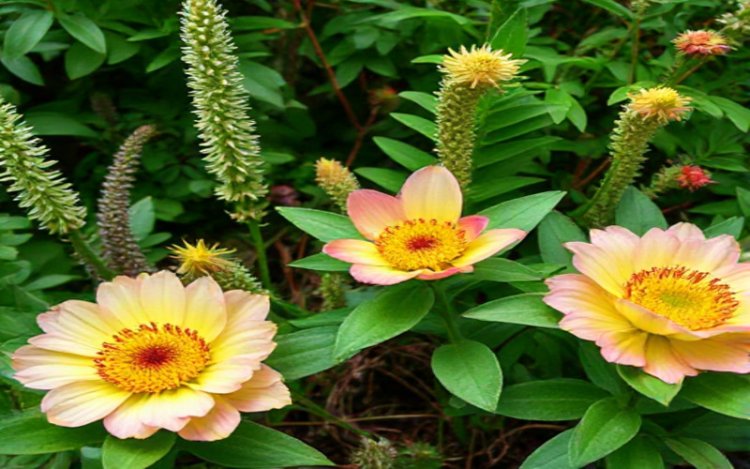
Researchers stress that botanic gardens worldwide should collaborate to ensure global plant biodiversity.
It's not surprising that botanic gardens around the world have been increasing challenges to preserve plant diversity, especially in the backdrop of a fast-growing extinction crisis. Recently published studies highlight the need for co-ordination in these institutions. Restrictions on collection of species from the wild and scarcity of resources have hampered the potential of these institutions to protect most species of threatened plant.
They used a century's worth of data from 50 botanic gardens and arboreta, whose current inventory comprises roughly half a million plants and dates between 1921 and 2021. Actually, the paper published in Nature Ecology and Evolution indicates that the living collections are reaching full capacity, and CBD as well as other global regulations are already beginning to curtail the harvesting of wild plants in the wild, which adds to the burden on the botanic gardens to collect and analyze plants at a scale sufficient to serve effective conservation purposes.
Contrary to the threat of extinction to many plant species, the research found that botanic gardens have failed to conserve a significant portion of the most vulnerable plants around the world. According to the findings, the wild-collected number of plants hit a peak in 1993 and has gradually decreased since then, especially because of the complications introduced by climate change and other issues related to maintaining diverse plant collections.
An Interglobal Joint Approach Needed
The authors, hence, appeal to the world's botanic gardens to team up to address this worsening plant biodiversity loss. The truth is that these gardens are almost working in segregation, and such factors have remained one of the biggest threats to the limited contributions that might have otherwise yielded meaningful global efforts in conservation. The researchers suggest treating the world's living collections as a 'meta-collection' in the sense that the data, expertise, and resources would be shared across the institutions. In doing so, more plant species could be conserved, particularly in the global south, which holds much of the world's biodiversity.
While there have been a few conservations, the successful conservation of conifer species at the Royal Botanic Gardens Edinburgh is considered the exception to this rule, and these species do not abound in the botanic gardens around the world. Biodiversity may not be taking precedence in all parts of the world. For this reason, the researchers call for immediate intervention to fill those gaps and craft a more standardized conservation strategy.
Effects of climate change on genetic diversity
Role of Ethical Collecting
Although regulatory measures have significantly reduced wild-collecting through international agreements like the CBD, the scientists argue that plant collecting ethically is still of utmost importance to conservation. The CBD was signed by 150 countries in 1992 and aims at sustainable development with further protection of global biodiversity. Such placed restrictions on CBD do unwittingly help cross some thresholds to be addressed through the research that instead leads for a counterproductive collection and approach towards the conservatism of the collection of certain types of plants inside the botanic gardens. Therefore, it requires a fair cooperation through international efforts by the group while collecting such stuff.
Botanic gardens provide opportunities both to scientific research and public access to the world's plant species. They are actually living libraries where scientists, conservationists, and the general public learn about, conserve, and enjoy the diversity of plant life. However, according to researchers, these need to evolve to meet the emerging challenges of climate change and loss of biodiversity much more effectively working in tandem with each other.
Source: Nature Ecology and Evolution
What's Your Reaction?