Plastic Recycling Crisis: Global Rate Stagnates Below 10%
A new global study reveals that plastic recycling remains stagnant at under 10% despite soaring production. Based on 2022 data, the research shows limited use of recycled materials, continued reliance on fossil fuels, and rising plastic incineration rates. It highlights economic, technical, and systemic barriers to effective recycling, calling for urgent reforms ahead of global treaty negotiations.
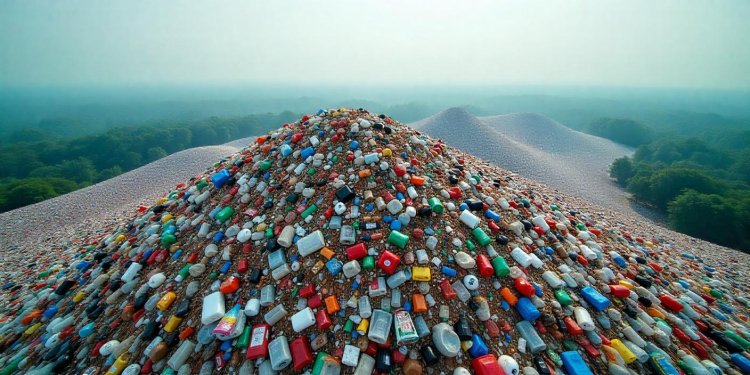
Rates of plastic recycling around the world are stalled at under 10%, as the production of plastic has grown exponentially, according to a new study. The analysis, conducted by the Tsinghua University in China and published in the Communications Earth & Environment journal, is the first complete global examination of the plastics industry for 2022. Based on national accounts, company reports, and international databases, the analysis finds the ongoing environmental problem being created by poor recycling and the ongoing reliance on fossil fuels for making plastics.
The scientists determined that the meager 9.5% of the 400 million tonnes of plastic produced in 2022 was produced from recycled materials. That is small or zero change over the past years, which indicates the global recycling rate has actually declined. The rest of the plastic was made mainly with fossil fuel-derived raw materials, primarily oil and gas, which confirmed fears over the plastics industry's role in global warming. The reliance on non-renewable feedstocks cancels out attempts to cut greenhouse gas emissions and the general environmental impact of the plastics industry.
The economic and technical constraints limiting plastic recycling development were also examined in the study. One of the principal obstacles to recycling is the presence of food residues and product labelling on plastic which makes recycling difficult. Further, the vast range of chemical additives and material mixes employed in the manufacture of plastic items increases the difficulty in sorting and recycling. These conditions tend to favour a regime in which it is generally more economical to make new, or "virgin," plastic than to recycle the old waste. This cost disparity deters investment in recycling equipment and plants, highlighting the low recycling rate cycle.
The study identified that the United States was the largest per capita user of plastic but also among the countries with the lowest amount of recycling. The US recycled only 5% of plastic waste, which created a huge gap between consumption and sustainability. On an even larger scale, the world witnessed the shift in waste management too. While landfills are being practiced less by a slim margin, they continue to retain 40% of the market share of plastic waste disposal. On the other hand, incineration has been far more common, particularly in Japan, China, and EU nations. Closing approximately a third of plastic waste globally being burned.
Increased use of incineration as the main form of waste disposal is behind other problems. Although it minimizes landfill usage, plastic burning emits air contaminants and greenhouse gases. Another report by the University of Leeds published in Nature in 2024 highlighted the risks of clandestine burning of plastic, which is common in less developed nations with inadequate waste disposal systems. Aside from degrading air quality, plastic combustion releases toxic chemicals that impact not just the environment but human health as well. The present study recognized that unregulated and uncontrolled informal recycling and disposal activities, usually not planned and unplanned in nature, were not taken into account in its calculations. Therefore, the total recycling rate could even be lower or more complex compared to what is stated.
The research has broader significance for continuing worldwide negotiations to sign a legally binding global pact on plastics. Past negotiations have yet to produce an agreement, but the negotiations will continue in August in Geneva. Scientists are hopeful that their work might guide policy and inspire greater strides toward establishing more sustainable and efficient plastic trash management measures. The report calls for drastic changes in the production, use, and disposal of plastics, including additional investment in recycling technology, improved design of products, and increased international collaboration.
Plastic pollution is today a global phenomenon with microplastics contaminating the farthest ocean bottom, snow at the poles, and even human biological fluids such as blood and breast milk. But for widespread awareness and concern, systemic plastic recycling and disposal flaws remain to be corrected. Without sharp surges in recycling rates and curtailing fossil fuel use, the environmental burden from plastic will just increase. This research advocates concerted and swift correction of the entire lifecycle of the plastics—usage and consumption, disposal and reusing.
In brief, plateauing at global plastic recycling levels below 10% is a systemic issue in the war against environmental degradation and climate change. So long as plastic production continues to increase, not enhancing recycling infrastructure and diminishing reliance on virgin fossil fuels will undermine global sustainability gains. The Geneva negotiations on next year's treaty provide countries with the opportunity to make more integrated and effective efforts in addressing such challenges. The Tsinghua University report is a timely wake-up call that attempts to eradicate plastic pollution do not just entail education, but transformative change along the whole plastics chain.
Source/Credits:
©© 2025 AFP | Report published in Communications Earth & Environment (DOI: 10.1038/s43247-025-02169-5)
What's Your Reaction?