PM Modi launches ₹3,600 crore POWERGRID projects to strengthen solar transmission in Rajasthan.
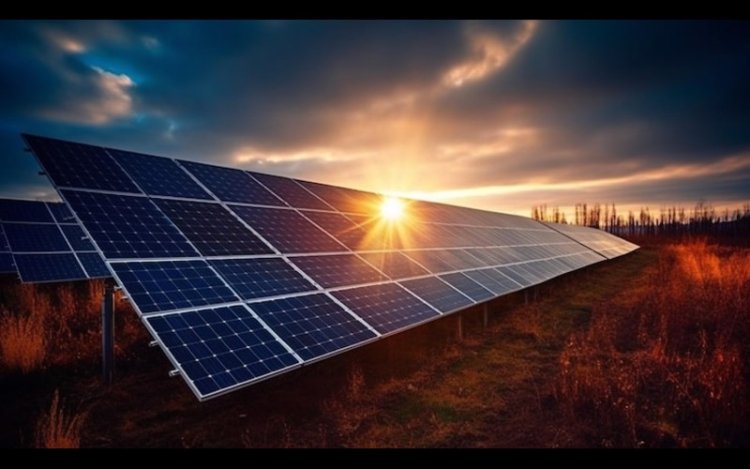
In a big step toward improving India’s renewable energy system, Prime Minister Narendra Modi launched important POWERGRID transmission projects worth ₹3,600 crore in Rajasthan. This move strengthens the state’s role in the country’s transition to clean energy. The project aims to improve the transmission capacity for solar energy from Rajasthan’s large solar areas into the national grid. This highlights India’s commitment to sustainable development and energy security. The initiative will enable a large-scale transfer of solar power from the Bhadla region, one of the largest solar parks in the world, to meet the rising demand across the country. This development not only enhances the renewable energy network in India but also makes a significant contribution to the nation’s climate and clean energy goals.
The launch of these projects, developed by the Power Grid Corporation of India Ltd (POWERGRID), a Maharatna PSU under the Ministry of Power, marks an essential milestone in expanding India’s national transmission grid to support more renewable energy integration. The newly inaugurated infrastructure includes advanced substations and high-capacity transmission lines designed to improve the efficiency and reliability of power flow from Rajasthan’s solar generation hubs. The central government aims to boost the ability to transmit solar power from distant renewable energy sites into the main grid, paving the way for achieving India’s ambitious renewable energy targets.
Strategic Infrastructure: Connecting Solar Power to the Grid
The key components of the newly launched transmission network include the Transmission System for Evacuation of Power from Renewable Energy Zones (REZ) in Rajasthan (20 GW) under Phase-III Part-B1. This system features the 765/400/220 kV Bhadla-III substation and the 765 kV double-circuit Bhadla-III to Sikar-II transmission line, designed to transport large amounts of electricity over long distances efficiently. Also included under the Phase-II Part-E strengthening scheme is another 765 kV double-circuit Bhadla-II to Sikar-II transmission line, which further enhances transmission capacity from Rajasthan’s solar-rich areas. These high-voltage connections are vital for facilitating the flow of clean, solar-generated power, lowering wastage, and improving grid stability across regions.
The Bhadla solar park, the center of these projects, is recognized worldwide for its scale and capacity, hosting solar power exceeding 2.2 GW. By upgrading transmission infrastructure at this strategic site, the government aims to position Rajasthan as a key source of clean energy. This allows the state to provide electricity not only within its borders but also across northern and central India. This capability is especially crucial as the country increases its renewable energy output to meet rising electricity demand and reduce dependence on fossil fuels.
Supporting India’s Clean Energy Vision
India’s clean energy goals involve raising renewable generation capacity to record levels and ensuring that this energy reaches demand centers efficiently. The newly launched transmission infrastructure backs this vision by addressing barriers that have historically affected the movement of electricity from large renewable energy parks to urban and industrial areas. By investing in dependable transmission assets, the government aims to make sure that renewable energy sources like solar power are produced abundantly and delivered reliably to consumers across the grid.
During the inauguration event, Prime Minister Modi stressed the importance of such infrastructure in strengthening the country’s energy backbone, which supports economic growth while prioritizing sustainability. These transmission projects indicate a clear shift toward energy systems that can manage increasing amounts of renewable energy without sacrificing stability or performance. By facilitating a high-capacity flow from solar parks like Bhadla, which benefit from plenty of sunlight and vast land, India is better equipped to lead in clean energy generation and distribution.
POWERGRID’s Role in Modernizing the Grid
These projects also highlight POWERGRID’s expanding role in building and modernizing India’s transmission network. As a key player in national grid development, POWERGRID has been crucial in deploying new technologies and high-voltage infrastructure that support efficient power delivery. The addition of new substations and transmission lines in Rajasthan not only boosts capacity but also improves reliability, reducing the risk of outages and ensuring a steady power supply across regions.
Moreover, effectively integrating renewable energy into the grid requires advanced systems that can handle variable generation patterns. Solar power, while plentiful, varies based on weather and daylight conditions. The grid infrastructure launched through these projects is designed to manage such variability, ensuring that solar energy contributions are maximized without destabilizing the grid. This flexibility is a significant achievement and shows how thoughtful infrastructure planning is essential for a sustainable energy transition.
Transforming Rajasthan’s Role in India’s Energy Future
Rajasthan’s change into a renewable power hub is evident through the formation of world-class solar parks and now improved transmission networks addressing national energy needs. By connecting these solar resources with distant consumption areas, the state has become a cornerstone of India’s clean energy vision. The success of this initiative could serve as a template for other states aiming to increase renewable energy generation while ensuring their grids are ready to absorb and distribute this power effectively.
In conclusion, PM Modi’s inauguration of POWERGRID transmission projects worth ₹3,600 crore marks a significant step in India’s clean energy journey. By strengthening transmission infrastructure and facilitating the smooth transfer of renewable energy, this development benefits Rajasthan and substantially contributes to the nation’s broader goals of energy efficiency, sustainability, and climate commitment.
What's Your Reaction?