Pollution Reduction Under NCAP Could Extend Lives in Indian Cities
India’s National Clean Air Programme targets a 40% reduction in urban air pollution by 2026, potentially raising life expectancy by two years in 130 cities, though most remain below WHO guideline levels.
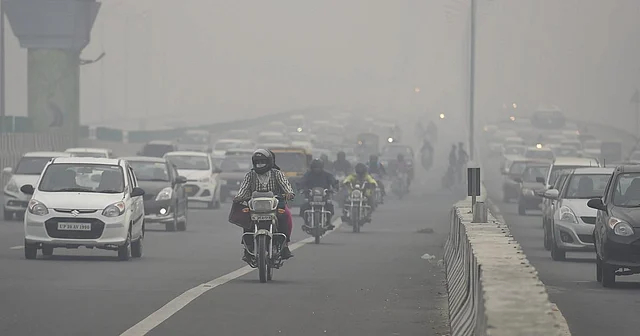
The National Clean Air Programme (NCAP), established by the Indian government in 2019 and modified in 2022, aims for a 40% reduction in particulate pollution (PM10) by 2026 across 130 major cities. Analysis suggests that if this target is reached, life expectancy for urban residents could rise by two years. Thus far, 25 cities have achieved the reduction goal, another 64 have seen improvement, and 22 now meet India’s national ambient air standards for particulates. Nevertheless, almost all cities still fall short of the World Health Organisation’s (WHO) recommended levels of air quality.
Despite notable progress in some cities, the majority of India’s urban population remains exposed to unhealthy air. Researchers point out that full compliance with the WHO’s particulate matter standards could lift average Indian life expectancy by as much as 3.5 years, while achieving NCAP targets would yield a more modest increase. These gains are particularly urgent in densely populated areas, where pollution-related diseases impose a heavy health and economic burden.
Key actions under NCAP have included stricter emissions controls on industry, improvements in public transport, mandates for cleaner fuels, and incentives for renewables integration—alongside tighter monitoring and enforcement. However, several challenges persist, such as rising vehicle ownership, construction dust, open burning and rapid industrialisation. Some critics argue that while targets are laudable, actual field-level improvements frequently lag behind policy intentions, risking missed deadlines and diminished health benefits.
In this context, the central and state governments are focusing on capacity-building in pollution control boards, improved data transparency, and better coordination between agencies. Most experts agree that ongoing intensification of regulatory action is essential, not only for meeting national targets but for progressing towards global health benchmarks and sustainable urban development.
As India moves into the latter stages of the NCAP timeline, attention is turning towards leveraging technological interventions—such as real-time air quality monitoring, low-emissions urban design and investments in clean energy infrastructure—crucial for bridging gaps between current conditions and policy ambitions. Successful cities will likely combine basic controls with innovative interventions and proactive community engagement.
The broader lesson from the NCAP initiative is the clear health dividend from cleaner air, quantifiable in terms of reduced hospitalisations, lower mortality, and improvements in productivity. The programme’s long-term success will depend on political resolve, sustained funding and broad-based adoption of clean technology across industry, transport and urban planning.
What's Your Reaction?