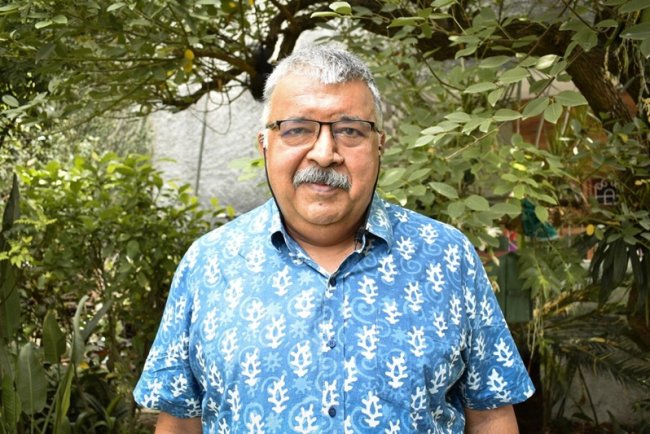
He says the need for structured awareness programs on waste segregation and the critical role of IoT-enabled monitoring in smarter waste management
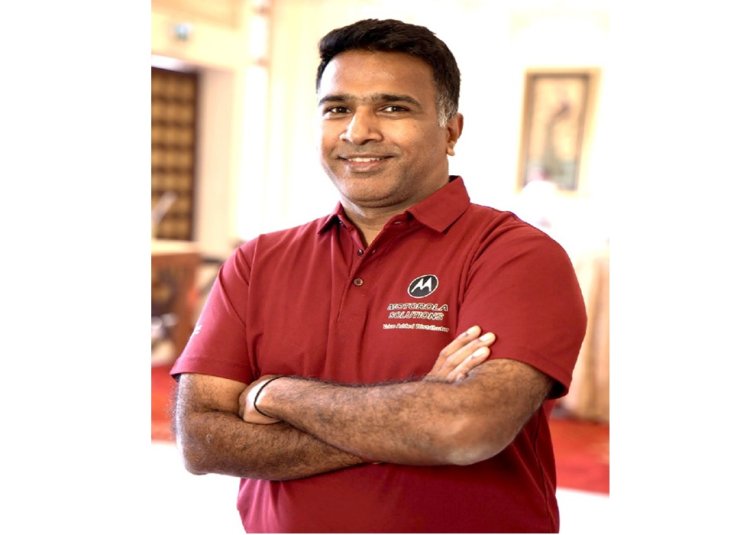
In an interview with ResponsibleUs, Venkatesh Palanidas, Chief Strategy Officer, Arya Omnitalk and Syntel By Arvind, spoke about the urgent need for structured awareness programs to promote waste segregation at the household and industrial levels, the critical role of technology such as IoT-enabled monitoring systems in making waste management smarter and more efficient, and the importance of combining policy interventions with behavioral change to create a sustainable waste management ecosystem in India.
With the government increasing its focus on waste management and the Supreme Court emphasizing source segregation, what steps should be taken to ensure proper waste segregation at the household and industrial levels?
People currently undermine the benefits of proper waste segregation in India, whereas it can be a very effective means of managing and disposing of waste. It is not enough for the Supreme Court and government to increase focus on waste management techniques; it is also important for municipal corporations and state governments to uphold the matter. Municipal corporations and corporators need to promote effective waste segregation through structured awareness programs at the ward level. Citizens must be educated on separating wet, dry, and hazardous waste through community campaigns and digital outreach, along with local on-ground efforts. It is also important to promote standardised colour-coded bins (green for organic, blue for recyclables, and red for hazardous waste) and recognitions must be offered at the corporate level to improve the implementation and the use of these bins across residential and industrial spaces.
Apart from this, it is also important that the municipality keeps a stringent check on waste segregation. Most often, garbage collection vans mix all the already segregated waste, creating issues of improper disposal.
Incase of industrial areas and independent industries, regular employee training and clear waste disposal guidelines are essential to be communicated and practised. Incentive-driven policies, such as tax rebates, bonuses, and extra perks, need to be offered to encourage compliance. Not to forget, technological interventions can also play a huge role in improving waste management in local areas. Iot-enabled waste monitoring systems, sensor-enabled trucks that can detect dry or wet waste can also make a difference towards segregation efficiency, allowing authorities to track and address non-compliance in real time. Such high level of effort will help to increase the focus on waste management.
Despite growing awareness, improper waste disposal remains a challenge. How can stricter enforcement of waste management laws improve environmental outcomes?
Law enforcement is as important as law enactment. We often forget that. Enforcing laws to keep a stringent check on compliance in the matter of waste management is key to addressing the problem. Consider situations where hefty fines are levied for illegal dumping and improper segregation or household industry waste. It is obvious that people will be deterred from doing it. At the same time, municipalities should consider introducing rewarding incentives such as green certifications and tax benefits to encourage adherence. A reward for being a good citizen would improve compliance.
Industries, on the other hand, despite being major waste generators, often miss the cut for proper waste segregation and rather resort to illegal means of waste management. Considering opportunities to improve monitoring with bodyworn cameras, including regular inspections and setting mandatory recycling targets for the responsible teams, can help improve the situation. Further, technology can play a crucial role in aiding waste management in such huge location. Consider technology such as, GPS-enabled waste collection tracking, AI-powered waste sorting, and CCTV surveillance at disposal sites ensure transparency and accountability among industries and waste collectors. These policies or rules are not out of the box, but need the support of technology and policy to bring about a change.
Waste-to-energy (WTE) technology is often seen as a solution, but incinerating mixed waste can release harmful toxins. What alternative methods can be promoted for sustainable waste management?
To begin with, incinerating waste is not the only way to convert waste to energy. In India, the concept of making bio-gas from household waste is one of the oldest ways to create energy from waste. It is time to replicate this in various other industries. However, incinerating mixed waste is hazardous not just for the people but the planet. Though WTE plants reduce landfill dependency, there is a way to go about it. This again comes down to proper waste segregation. Considering a circular economy approach, where waste is repurposed into reusable materials, should be prioritised. Think connecting with businesses that reuse clothes, bags being manufactured from waste wrappers, and the list goes on.
Apart from that, introducing policies on extended producer responsibility (EPR) that hold manufacturers accountable for post-consumer waste, and encourage product designs that support reusability and recyclability. Composting solutions at both the community and household levels would also help process biodegradable waste efficiently. The rest can be treated for chemical upcycling or more to reduce the landfill dependency.
Source segregation is crucial for effective recycling and waste processing. What incentives or policies could encourage citizens and businesses to comply with segregation rules?
As discussed in the first question, it is not just important for one governing body to take up the matter, but for the work to be done ground up. That is the only way to improve the situation. Financial incentives and tax rebates can significantly boost compliance among working citizens. Households that consistently segregate waste could receive tax rebates, utility discounts, or redeemable reward points for services such as gas, electricity, tolls and more. People will want to make an effort if their lives are becoming easy in some way. For businesses, green certifications, reduced landfill taxes, and eligibility for sustainability grants can serve as motivating factors. Rewards and recognitions, tax relief, all help in building a community led by a cause.
A unique idea could also mean the introduction of the "Pay As You Throw" model, where fees are based on the volume of mixed waste, while credits are rewarded for segregated waste. Policies like these could promote conscious behaviour among all. Additionally, strict penalties for non-compliance, combined with regular inspections, can also ensure accountability. Publicising best practices and success stories through different channels as awareness campaigns can further reinforce positive behavioural change.
Public participation is vital for successful waste management. How can awareness campaigns drive behavioural change in waste disposal habits?
Rightly said, public participation, though, can lead to successful waste management, is the hardest to achieve. The key reason for this is limited awareness from a young age. Even if households segregate waste, society garbage pickers may often not deem it important and mix the waste during collection. Localised, relatable campaigns and sensitization efforts would resonate best in such cases. Consider partnering with local influencers, schools, and resident welfare associations could help spread awareness effectively and also promote a sense of community. Another impactful means of promoting waste segregation could be real-life case studies illustrating the environmental impact of improper disposal. Considering sharing stories of waste collectors who are cut by glass, absorb chemicals and more. Sensitising people about the issues a community is facing can go a long way in promoting more conscious behaviour.
Additionally, live demonstrations in communities, along with incorporating waste management education into school curriculum, can help instil long-term responsible habits at a young age. At Arya Omnitalk, we leverage Iot-enabled waste bins and real-time tracking systems to optimise collection and disposal, making waste management seamless and efficient.
Cities are struggling with landfill overflow due to poor segregation. What strategies can municipalities adopt to reduce landfill dependency and promote circular waste solutions? How can waste pickers be integrated into formal waste management systems?
Municipalities can collaborate with private firms and circular economy startups to develop efficient recycling ecosystems. This can help with the household and industrial waste segregation. To be able to achieve that, here are some strategies that can be considered by the municipalities.
Key strategies include:
* Take Product Back Program: Manufacturers reclaim used packaging, e-waste, and plastics for recycling. This will improve their waste management efficiency, and research can also help improve the reusability of the packaging from the company's end.
* Industrial Symbiosis: Industries repurpose by-products as raw materials, reducing waste and improving the waste creation situation.
* Local Composting Units: Community composting reduces organic waste transportation and emissions. Housing societies should be given more benefits for in-house composting or organic waste.
* Recycling & Material Recovery Facilities (MRFs): Micro-recycling hubs improve material recovery.
Another aspect to consider is formalising the waste picker workforce to ensure ownership and accountability in their work. Providing them with protective gear, structured employment, and digital payment systems enhances efficiency while improving their livelihoods. Government-backed training and financial support can also integrate them into mainstream waste management and contribute to their overall wellbeing and upliftment.
Some experts argue that WTE plants should be a last resort. Should India prioritise decentralised waste processing over large-scale incineration?
Absolutely! There is no doubt about this. As discussed earlier, incineration should be the last option as it is hazardous for the people and the planet. Instead, decentralised waste management, including localised composting to the housing society level, developing local recycling hubs, and community-led segregation that is accountable for their ward or so is more sustainable. WTE plants should only handle non-recyclable waste, ensuring that maximum resources are recovered before incineration is considered.
At Arya Omnitalk, we have always advocated decentralised solutions through technology-driven waste tracking, smart logistics, and efficient resource management. Our approach reduces emissions and maximises material recovery, supporting a cleaner, circular economy.
How can resource efficiency and recycling contribute to India's goal of becoming a developed nation by 2047? How is Arya Omnitalk helping India achieve its net-zero goal by 2070?
Resource efficiency and recycling are crucial to India's sustainable development and need to be of highest priority. By optimising waste management, reducing emissions, and promoting material recovery, India can build a resilient, eco-friendly economy and a strong waste management system that is deeply rooted in sustainability.
Arya Omnitalk plays a pivotal role in achieving these goals through:
* GPS-Based Fleet Optimisation: These fleets are often effective in reducing fuel consumption and carbon emissions by up to 20%.
* RFID-Based Toll Collection: These services help in minimising traffic congestion and vehicular idling, leading to lower emissions.
* AI-Powered Surveillance Systems: Bet for enhancing energy efficiency through predictive maintenance.
* IoT-Based Smart City Solutions: Already present in surat, these smart-city solutions improve waste collection, public transport efficiency, and emergency response, reducing resource wastage.
Considering the importance of creating more plasnet-conscious operations we are integrating innovative waste management solutions with sustainable business practices while working towards a better time. Arya Omnitalk contributes to India's mission of achieving net-zero emissions by 2070 and fostering a greener, more sustainable future.
[email protected]
What's Your Reaction?