PSBs’ Rooftop Solar Loan Rejections Stall Residential Market Growth
Loan rejections from public sector banks (PSBs) are hampering India’s residential rooftop solar sector, limiting access for MSMEs and households and threatening 40 GW achievement goals.
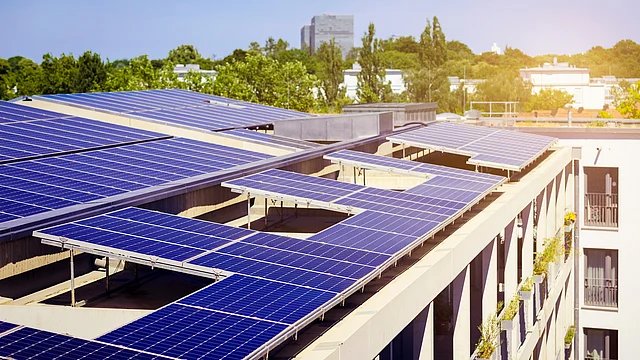
India’s Rooftop Solar Dream Hindered by Financing Barriers
Ambitious Targets vs. Ground Reality
India set an ambitious target of achieving 40 GW of rooftop solar capacity by 2022, with expectations of continued growth in subsequent years. However, the sector faces a persistent financing bottleneck that threatens to undermine this vision. A large share of domestic consumers and MSMEs remain locked out of the market because public-sector banks (PSBs) either reject or indefinitely delay loan applications for rooftop solar projects.
Structural Challenges in Bank Lending
Industry assessments reveal that the financing impasse is rooted in:
-
High collateral requirements, such as home mortgages, even for modest rooftop systems.
-
Limited awareness among banking institutions regarding the operational and financial benefits of solar products.
-
Generic lending norms that fail to recognise solar power’s unique value streams, such as tariff savings and grid export payments.
This has created a stark imbalance where large corporates with strong balance sheets can easily secure credit, while households and small enterprises — the very backbone of decentralized solar adoption — struggle to access affordable capital.
International Support, Limited Reach
While international credit lines from institutions such as the World Bank, Asian Development Bank (ADB), and State Bank of India (SBI) have provided some relief, the disbursement pace remains sluggish. More critically, these funds have not been effectively channelled to lower-income households and small borrowers, leaving them unable to participate in the rooftop solar revolution.
Need for Policy and Financial Reforms
Experts stress that without urgent systemic reforms, India’s rooftop solar sector risks falling far short of its potential. Recommended measures include:
-
Reforming PSB risk assessment models to recognise the long-term financial viability of rooftop solar.
-
Developing solar-specific financial products with reduced collateral requirements.
-
Streamlining subsidies and incentives, ensuring that support reaches middle- and lower-income households who stand to benefit most from reduced energy bills.
-
Expanding credit guarantees or risk-sharing facilities to reassure lending institutions.
The Road Ahead
The success of rooftop solar in India is not solely a technological challenge — it is fundamentally a financing challenge. Without targeted reforms in banking practices and subsidy frameworks, the sector risks becoming an aspirational narrative rather than a transformative reality for millions of Indian households and MSMEs. Unlocking this potential will be central to achieving India’s clean energy, climate, and equity objectives in the coming decade.
What's Your Reaction?