A recent study found that firm renewable electricity generation costs in China have fallen below those of coal and gas power generation in several regions.
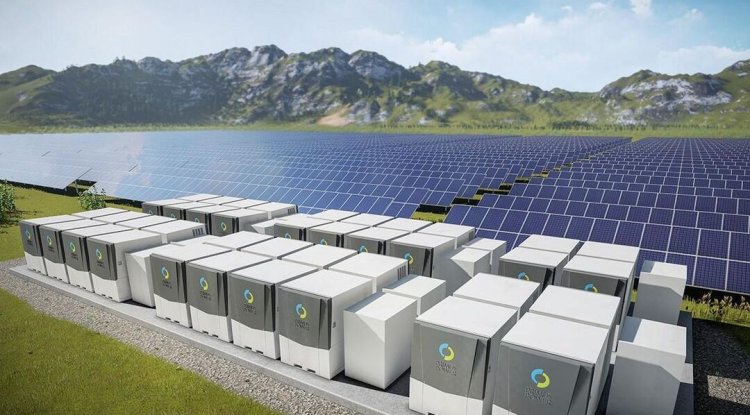
Firm renewable electricity generation costs in China have fallen below those of coal-and gas-fired power generation in several regions, according to a recent study examining renewable energy systems integrated with battery storage and grid-balancing technologies.
The study found that firm renewable electricity — continuous power supplied through combinations of solar, wind, and battery storage — could be delivered at costs as low as $30 per megawatt-hour (MWh) in some parts of China. Researchers linked the decline to falling costs of solar panels, wind turbines, and battery storage systems, along with improvements in transmission networks and grid integration technologies.
The findings come as China continues to expand renewable energy capacity while remaining one of the world’s largest coal-consuming economies. Government data show China has accelerated the installation of solar and wind power projects over the past decade as part of efforts linked to energy security, industrial demand, and emissions-reduction targets.
Researchers said renewable electricity systems integrated with storage are becoming more cost-competitive than new coal and gas-based generation projects in several provinces. The study analysed regional electricity demand, storage requirements, renewable energy generation patterns, and transmission infrastructure across different parts of China.
The report stated that falling battery storage costs played a major role in reducing firm renewable electricity generation costs. China is among the world’s largest manufacturers of lithium-ion batteries and solar equipment, contributing to lower renewable energy project costs in the domestic market. Industry data also show that battery manufacturing capacity in China has expanded significantly in recent years alongside growth in electric vehicles and renewable energy deployment.
Coal, however, continues to account for a major share of China’s electricity generation mix. Sector reports have shown that China approved and developed additional coal-fired power projects in recent years to address electricity reliability concerns, seasonal demand fluctuations, and industrial power requirements.
Studies from the industry suggest that a reduction in renewable electricity costs may impact future investments in China’s electricity sector in provinces with high potential for solar and wind energy production. Meanwhile, issues in terms of transmission infrastructure and grid balance of renewable energy generation were reported in some sector studies.
It was pointed out by researchers that extensive battery installation and construction of transmission lines would be required in order to accommodate high amounts of renewable energy. Moreover, sector studies have identified problems involving mineral supply, battery recycling, land issues, and environmental concerns regarding renewable energy projects and mining operations.
China’s goals include increasing non-fossil fuel energy consumption and carbon neutrality before 2060. The country’s policies in recent years were geared towards expanding renewable energy capacity, battery production, and grid development while sustaining coal-powered energy production for energy security and industry purposes.
Studies from the industry have indicated that the cost of renewable energy and battery storage has been declining in recent years, though the future electricity prices may remain reliant on factors such as fuel market dynamics, infrastructure investments, and government policies.
What's Your Reaction?