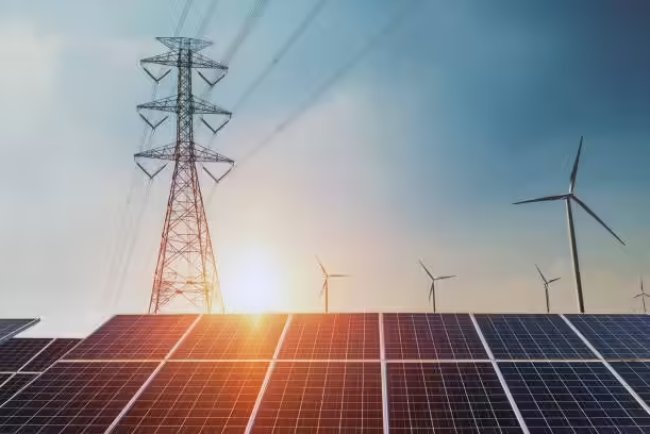
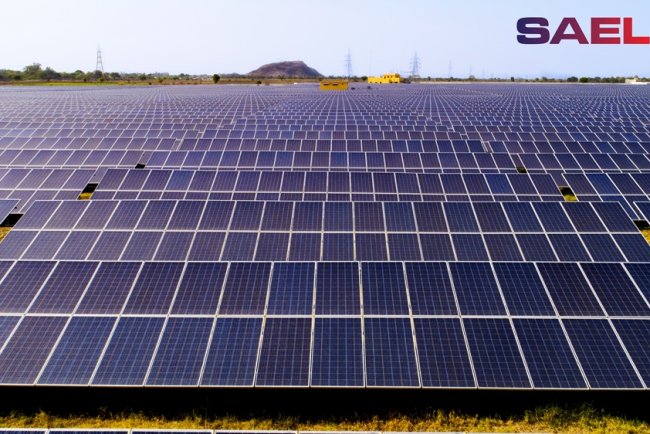
Global carbon emissions growth slowed to 0.4% in 2025 as renewable energy, led by solar power, expanded rapidly, according to the IEA.
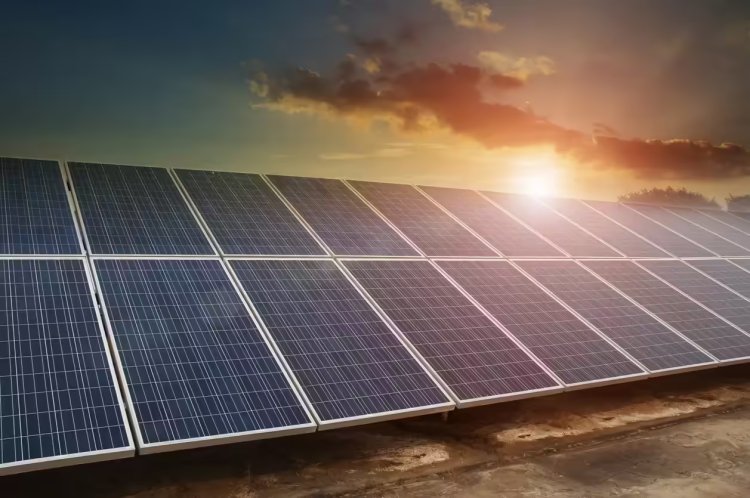
Carbon emissions associated with energy increased substantially more slowly in 2025 due to the rapid deployment of renewable energy, especially solar, according to reports from the International Energy Agency (IEA).
The energy sector emitted only 0.4% more carbon dioxide emissions in 2025 than in the previous year as a result of increased clean energy installations offset rising demand for fossil fuels.
This marked slowdown in carbon emissions growth is attributable to the changing nature of the global energy mix. In particular, the rapid deployment of solar energy in emerging countries was critical in balancing emissions from developed countries like the US.
Low-emission energy sources were the dominant source of electricity production in 2025, according to IEA estimates, as renewables and nuclear sources contributed more than 80% of electricity production growth.
This trend builds from trends witnessed in the previous years, where the amount of carbon emissions that could have been released into the atmosphere had the energy been fossil-based was projected to be above 2.6 billion metric tons in 2024.
The growth in renewable energy sources is the reduction in costs, ease of installation, and supportive policy frameworks. Despite the low rate of reduction, emissions are rising, implying that renewable energy growth at this rate is not sufficient to reduce emissions. The burning of fossil fuels, including coal and natural gas, is responsible for the emission of greenhouse gases, especially in rapidly growing economies.
According to the IEA, there is a need for further policy intervention, enhancement of the grid system, and investments in green technology.
Data for 2025 shows a slow separation of economic growth from emission trends, but also demonstrates the difference between current development levels and what is necessary to reach global climate objectives.
What's Your Reaction?