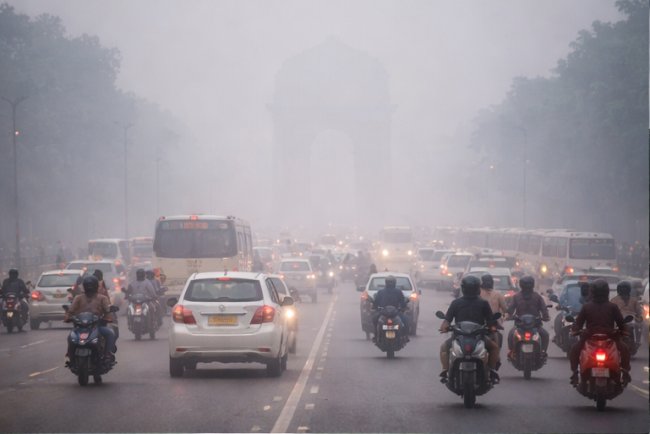
Roadside moss could help capture air pollution, slow stormwater runoff, and support biodiversity in suitable environments. Researchers say its ability to absorb pollutants and retain water may complement existing roadside vegetation, although it is not suitable for every location.
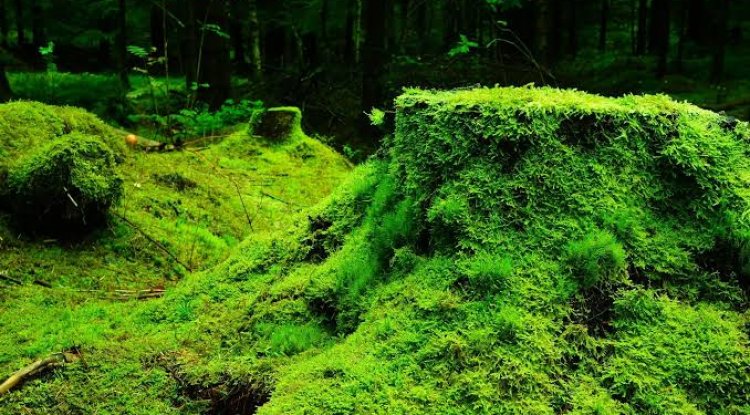
The use of roadside moss could bring other environmental advantages besides its ability to cover the roadside embankment, according to a report from Phys.org based on research findings published in The Conversation by a scientist from the University of Limerick. It is argued that moss has the potential to help absorb air pollution, collect rainwater, and serve as a habitat for wildlife.
It is already a common practice to use grass as vegetation to cover the roadside embankment for the purposes of preventing soil erosion and maintaining the slope of the embankment. Scientists argue that moss can be grown in places where grass is difficult to grow, such as in the shade and on thin layers of soil.
Scientists have studied moss for decades as a natural indicator of environmental pollution because it absorbs substances directly from the air. It can retain heavy metals, nitrogen compounds, and fine particulate matter released by vehicle traffic. This property has led to its use in pollution monitoring programmes across Europe. Researchers believe moss growing along roads may also help reduce the movement of some pollutants into nearby surroundings.
The study also points to moss's ability to manage rainwater. Many moss species can absorb several times their own weight in water before releasing it gradually. This can slow the flow of runoff from roads during heavy rainfall, easing pressure on drainage systems and helping reduce the risk of localised flooding.
Moss-covered slopes also provide habitats for insects, lichens, and other microorganisms, contributing to biodiversity in the area. Additionally, the development of vegetation that demands minimal maintenance can lead to reduced mowing in some roadside regions.
Researchers note, however, that moss is not suitable everywhere. It grows slowly and is more likely to thrive in cool, damp, and shaded conditions. Hot, dry environments and the use of road salt during winter can limit its growth. Since moss stores the pollutants it absorbs, it may also require periodic monitoring and management.
According to the researchers, moss cannot be considered an alternative form of vegetation that can replace current forms of roadside vegetation everywhere. However, it can act as one element in improving the environment around roads, particularly in managing stormwater pollution, wherever the environmental conditions permit.
What's Your Reaction?