Sasol Leads Renewable Diesel Feedstock Innovation
South Africa to Pilot Renewable Diesel Market under New Joint Agreement
South Africa will test the feasibility of a domestic renewable diesel market through a new Joint Development Agreement among Sasol, Anglo American, and De Beers. Signed at the Investing in African Mining Indaba convention in Cape Town, the partnership will reduce greenhouse gas (GHG) emissions and create a stable supply chain of clean fuel.
Renewable Diesel Pilot Project
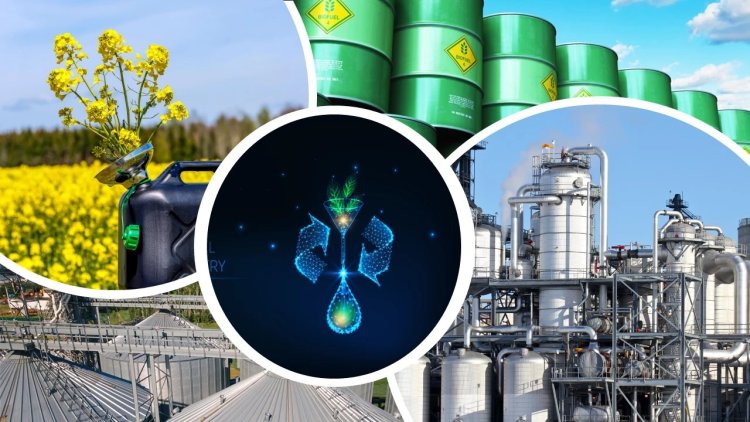
The project will grow crops such as Solaris and Moringa to make vegetable oil, which is then converted into renewable diesel. Sasol's current facilities can process different feedstocks, providing a cost-effective solution over constructing new facilities. If successful, the fuel can be used to replace traditional diesel in current equipment, allowing companies to become greener without redesigning systems en masse.
In the deal, land for crop trials will be supplied by De Beers in Limpopo in the Blouberg, Messina, and Marble Hall areas, as well as in the Voorspoed mine closure area in the Free State.
Reducing Industry Greenhouse Gas Emissions
South African production of renewable diesel is in its early stages, but demand for it from industries seeking to lower emissions continues to increase. The pilot programme is unlocking the potential for a domestic sustainable fuel market, and the oil, gas, and mining hard-to-abate industries are the largest beneficiaries.
Sasol intends to use its refining capacity to make standard-compliant renewable diesel compared to traditional fuels but with lower emissions. This fuel can be applied as a drop-in replacement and enable industries to switch without fundamental infrastructure change.
Anglo American and De Beers have also conducted initial feasibility studies of renewable diesel pilots in their host communities and mines. In their collaborative work on this project, they aim to create an economical and sustainable feedstock supply chain.
Future Implications
If the test is a success, South Africa could create a national renewable diesel industry, lowering imports and contributing to national greenhouse gas emission reduction targets. The project also fits into larger global efforts to move toward cleaner energy solutions.
What's Your Reaction?