Shift in Rain Patterns Raises Concerns as Climate Change Impacts India
India faces challenges from shifting rain patterns due to climate change, impacting agriculture, water resources, and urban areas. Erratic monsoons and extreme weather events highlight the need for resilient policies.Explore how climate change is altering India’s rainfall, affecting farming, water availability, and ecosystems. Learn about ongoing efforts to combat these changes and the urgent need for action.
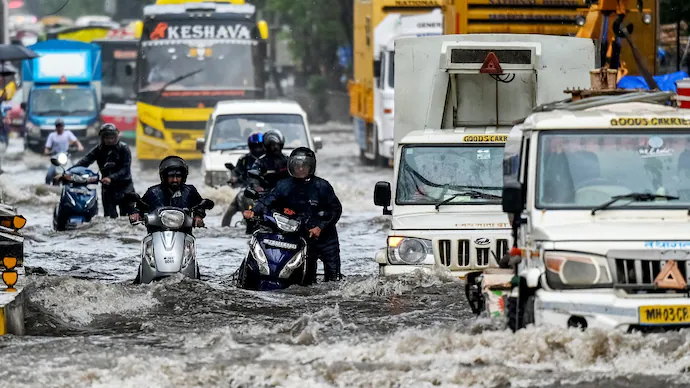
India is experiencing significant shifts in its rainfall patterns, driven by climate change, which are disrupting agriculture, water availability, and urban planning. Recent data highlights erratic monsoons, prolonged droughts, and intense flooding, posing challenges to the country’s economy and food security. These changes have sparked concern among scientists and policymakers, who are urging action to address the environmental crisis.
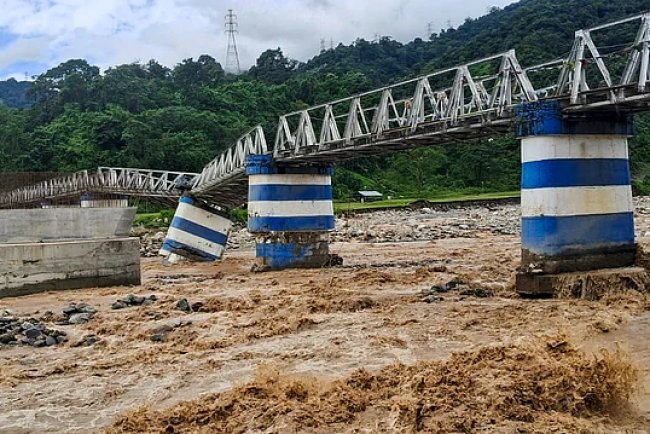
India’s monsoon season, a critical driver of its agricultural economy, is undergoing noticeable changes. Historically, the monsoon arrives predictably between June and September, providing essential rainfall for crops like rice, wheat, and sugarcane. However, recent years have shown deviations, with some regions receiving excessive rain while others face severe deficits. For instance, states like Maharashtra and Karnataka have reported delayed monsoon arrivals, leading to reduced crop yields and water shortages. Meanwhile, areas like Assam and Bihar have faced devastating floods due to intense, short-duration rainfall. These irregularities stem from rising global temperatures, which disrupt atmospheric circulation patterns. Warmer oceans increase evaporation, leading to heavier but less predictable rainfall.
The agricultural sector, which employs nearly half of India’s workforce, is particularly vulnerable. Erratic rainfall has led to lower productivity for rain-fed crops, which account for over 50% of India’s farmland. In 2024, the Indian Meteorological Department reported a 10% rainfall deficit in key agricultural regions, impacting food production and prices. Water scarcity is another growing issue, with reservoirs in states like Tamil Nadu and Andhra Pradesh at critically low levels. Urban areas are not spared either, as cities like Chennai and Bengaluru face flooding during heavy rains due to poor drainage systems exacerbated by unpredictable weather.
Climate change also affects India’s biodiversity and ecosystems. Rising temperatures and altered rainfall patterns threaten wetlands, forests, and wildlife habitats. For example, the Sundarbans mangrove forest, a UNESCO World Heritage Site, faces increased salinity due to reduced freshwater inflow, endangering species like the Bengal tiger. Coastal areas are also at risk, with rising sea levels and erratic rains contributing to erosion and flooding in states like Odisha and West Bengal.
Efforts to address these challenges are underway but face hurdles. The Indian government has invested in climate-resilient crops and irrigation systems to support farmers. Programs like the National Mission for Sustainable Agriculture aim to promote drought-resistant seeds and efficient water use. However, implementation is uneven, particularly in rural areas with limited resources. Urban planning also requires improvement, as cities struggle to manage flooding due to outdated infrastructure. International cooperation is another focus, with India advocating for stronger global action on carbon emissions. Despite these efforts, the scale of the challenge demands more comprehensive policies and public awareness to mitigate the impacts of shifting rain patterns.
Conclusion
The changing rainfall patterns in India, driven by climate change, pose a significant threat to agriculture, water resources, and ecosystems. While initiatives to improve resilience are in place, the magnitude of the crisis requires urgent, coordinated action. Strengthening infrastructure, adopting sustainable practices, and fostering global collaboration are critical to ensuring India can adapt to these environmental shifts and secure a stable future for its people.
Source: India Today
What's Your Reaction?