Spain Battles Record Wildfires Amid Climate Crisis
Wildfires scorch northern and western Spain, burning record areas as authorities deploy troops and seek aid.
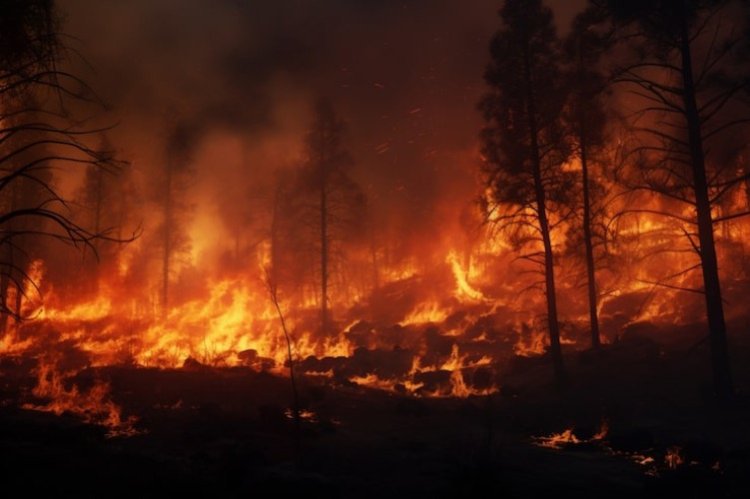
Spain is facing one of its most damaging wildfire seasons in decades. Flames are racing through northern and western areas, shocking both authorities and residents. In just the past 24 hours, wildfires have consumed nearly as much land as in all of last year. There are fears of further destruction, though there is cautious hope that cooler weather might help.
The fires have swept through Extremadura, Galicia, and Castile and Leon, forcing rail services to shut down, roads to close, and blocking a 50-kilometre section of the famous Camino de Santiago pilgrimage trail. According to Tuesday's data from the European Forest Fire Information System (EFFIS), fires have ruined 38,000 hectares—about 94,000 acres—of vegetation since Monday. This is just shy of the 42,000 hectares lost during all of 2024.
Spain’s national weather agency announced the end of a brutal 16-day heatwave on Monday, one of the longest and hottest in the last fifty years. Forecasters now predict that temperatures will drop and humidity will increase in the north and west, conditions that could help firefighters control the fires. “The situation is improving, and teams are stabilizing the fires,” said Alfonso Fernandez Manueco, the regional leader of Castile and Leon, which has been severely affected. “If weather patterns continue, we will be better tomorrow than today and better the day after that,” he added.
However, southern Spain, including parts of Extremadura, still faces tough conditions, with high temperatures and drought increasing fire risks. Drone footage from Galicia has revealed the devastating effects of the fires: solar plants surrounded by burned forests and landscapes turned to ash.
So far this year, around 382,600 hectares—about the size of Mallorca—have burned across Spain, making 2025 the worst year on record since data collection began in 2006. This amount is more than four times the average from 2006 to 2024 and indicates the rising intensity of wildfires in southern Europe.
Prime Minister Pedro Sánchez, who visited affected communities in Extremadura, stated that the government would declare several burned areas as emergency zones. This action will enable residents and businesses to receive aid for rebuilding and recovery. Sánchez attributed the intensity of the fires to worsening climate change impacts and said his government would propose a plan next month to make climate emergency measures permanent. While the details of this plan are not yet available, Spanish authorities have been concentrating on better fire prevention and improving response efforts.
“We’re witnessing the climate emergency speed up and worsen significantly, especially in the Iberian Peninsula, each year,” Sánchez warned. His comments highlight growing concerns that Spain and neighboring countries may face more frequent and severe fire seasons as global warming increases droughts and heatwaves.
The opposition has criticized Sánchez’s announcement, claiming his government mishandled the crisis and is using the climate emergency proposal as a political distraction. Regardless of political disagreements, the scale of the disaster has brought international allies together in support. The Spanish army has sent 3,400 troops and 50 aircraft to help fight the fires. Firefighters and resources from the Czech Republic, Finland, France, Germany, the Netherlands, and Slovakia have also joined the efforts.
Authorities have started investigating suspected arsonists. Since June, the Interior Ministry has reported that 32 people have been arrested and 93 are under investigation for deliberately starting fires. Officials emphasize that while climate change creates conditions for extreme wildfires, human actions—intentional or negligent—can worsen the damage.
The crisis in Spain reflects a wider trend in southern Europe, which is experiencing its worst wildfire season in two decades. From Portugal to Greece, vast areas of land have burned, threatening lives, property, and ecosystems. Scientists say higher average temperatures, longer dry spells, and extreme weather related to climate change are driving the severity of these disasters.
For many communities, the fires represent not just an environmental disaster but also a cultural and economic blow. The Camino de Santiago, one of Europe’s most famous pilgrimage routes, draws hundreds of thousands of visitors each year. With parts of the trail closed, local economies reliant on tourism have suffered greatly. Farmers and rural residents have watched their livelihoods vanish as crops, pastures, and forests burn.
Nevertheless, there are glimmers of cautious hope. Firefighters have reported progress in stabilizing key fires, especially in Castile and Leon, where cooler weather is starting to slow the flames. Rainfall is expected later this week, which could further assist in controlling the fires. Still, officials insist that recovery will take months, if not years, as Spain faces the daunting task of restoring burned landscapes and preparing for future seasons that are likely to be even more intense.
The destruction of 2025 serves as a stark reminder of the realities of climate change. As Spain prepares for a long recovery journey, the urgency to adjust to a hotter, drier, and more fire-prone future has never been more pressing.
What's Your Reaction?