bp sells its US onshore wind business to LS Power as part of its shift back to oil and gas-focused strategy.
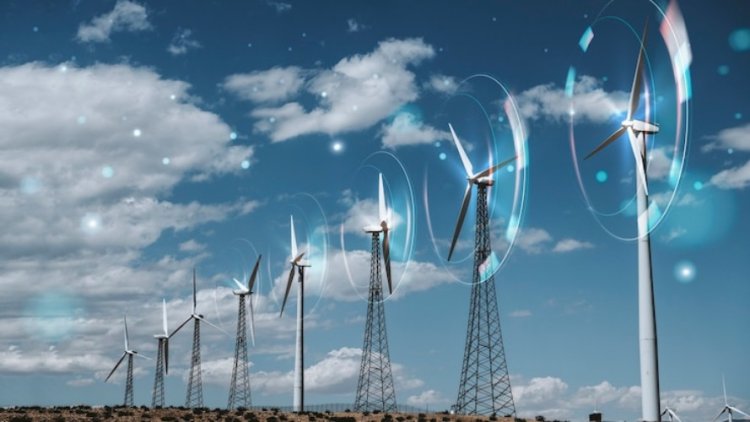
In a symbol of a dramatic shift in its energy strategy, global energy titan bp announced that it was selling its U.S.-based onshore wind unit, bp Wind Energy, to developer and owner of power and energy infrastructure LS Power. It is one of the big milestones in bp's new company trajectory, which now prioritizes core oil and gas businesses and de-prioritizes investment in low-carbon energy.
bp Wind Energy, a central component of the company's renewable assets, owns and operates 10 grid-scale wind farms in multiple U.S. states, including Indiana and Kansas, South Dakota, Colorado, Pennsylvania, Hawaii, and Idaho. The net capacity of the entire properties is 1.3 gigawatts (GW). The portfolio has been rated as a highly prized asset in bp's U.S. renewable energy landscape for some time, but its sale indicates a realignment of strategic priorities by the company's topmost tier of management.
The deal is part of a wider strategic rebalancing that bp announced in February 2025. Under the new strategy, bp agreed to sharply reallocate capital to support increased investment in oil and gas and cut the proportion of spend on low-carbon energy to below 5% of its spending. The firm's new roadmap also laid out plans to reach between $20 billion of divestments in 2027, into which bp Wind Energy sale would fit.
Describing the divestment, bp's Executive Vice President of Gas and Low Carbon Energy William Lin said, "We have been clear that low carbon energy has a place in a leaner, more streamlined bp, but we will keep on optimizing and streamlining our portfolio to build value. The onshore US wind business has excellent assets and excellent people, but we've concluded we are no longer the best owners to drive it forward."
bp's move is part of the broader sector trend where the big oil and gas majors are rethinking their clean energy units. Due to volatile energy prices, changing investor attitudes, and escalating geopolitical tensions, some of the fossil fuel majors have retreated from renewables to concentrate on short-term returns from conventional energy. While bp's ultimate goal is still to be net-zero by 2050, in the short term it seems to have its eyes set on profitability and returns to shareholders in its traditional oil and gas production.
To LS Power, the deal is a significant addition to its fast-growing clean energy platform. The company said that bp Wind Energy's assets will be consolidated into Clearlight Energy, LS Power's renewables-powered platform in Canada and the U.S. Created earlier this year, Clearlight Energy was created when LS Power's acquisition of Algonquin Power & Utilities' renewable energy assets provided the company with a significant presence in the North American renewables market.
With the acquisition of bp's wind portfolio, Clearlight's renewable operating portfolio will increase to around 4.3 GW. The transaction establishes LS Power firmly in the clean energy space and is a continuation of its objective to catalyze growth and innovation in the transition to a sustainable energy future.
Paul Segal, Chief Executive Officer of LS Power, highlighted the strategic value of the deal, saying, "LS Power's purpose is to solve difficult energy challenges to make the world a better place and improve lives by building a cleaner, more resilient, and more accessible energy system, and today's announcement is an important wager on getting there."
The deal not only expands Clearlight Energy's asset base but also indicates that LS Power is committed to long-term expansion in the renewables business despite the withdrawal of some veteran energy players. The U.S. continues to be one of the most compelling markets for renewable investment due to federal incentives, targets for decarbonization, and supportive policy framework.
As the world's energy transition becomes a reality, bp's action is a reminder of cross-pressures faced by incumbent energy producers. Climate aspirations need to be reconciled with shareholder returns, stakeholder demands, and energy security, and the arithmetic just gets more and more complicated. For bp, its simplification of its renewable portfolio seems to be a measured move to allow continued operating concentration and financial flexibility in a very uncertain energy universe.
The transaction is expected to close after typical regulatory approvals, and though money terms weren't made public, the deal is seen by analysts as a considerable portion of bp's divestment program. The market now looks on with bated breath to understand what both bp and LS Power do with their cash in the coming months—ones investing heavily in hydrocarbons, the other making its bet on the continued expansion of clean power.
What's Your Reaction?