A new study found that investments in forest fuel treatments can generate economic and environmental benefits by reducing wildfire risks, protecting communities, and lowering long-term recovery costs.
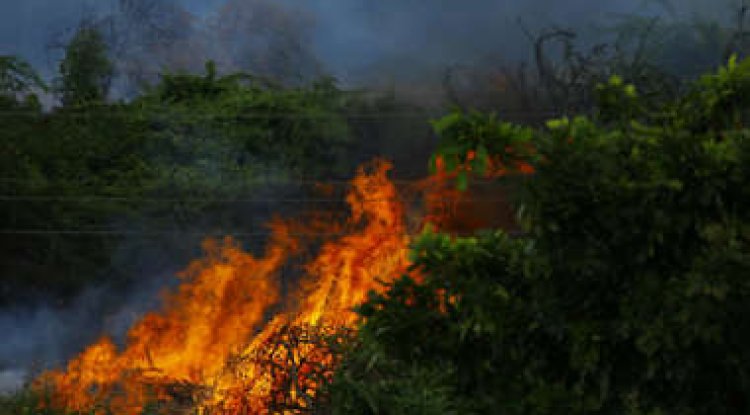
Programs for forest fuel treatments may help reduce the costs of future wildfires and damage, says a new study that assesses the costs of fire prevention measures in vulnerable areas.
In their study, researchers examined different types of fuel treatment, including prescribed burning, removal of dry vegetation, and thinning of forested areas. It was found that preventive measures could reduce wildfire costs by lowering suppression costs and the damage to homes, property, and the environment.
Over the past few years, the intensity of wildfires has increased significantly due to warming temperatures and drought conditions. According to environmental agencies, forest areas with large quantities of dry vegetation are more susceptible to high-intensity fires.
Experts claim that proactive forest management could reduce the extent and intensity of wildfires before they reach densely populated areas. The study revealed that investments in fuel treatments would cost less than recovery efforts after a large-scale fire.
In addition to this, the researchers studied the impact of wildfires on the environment by investigating their effect on wildlife habitat destruction, forest degradation, and pollution of the air due to smoke emitted by the fires that cannot be controlled.
Several nations have allocated more funds for the prevention of wildfires following their recent occurrence in North America, Europe, and Australia, which have been responsible for causing major economic damage and forcing residents to evacuate from their homes.
The researchers suggest that fuel reduction programs could not only help in forest rehabilitation but could even create jobs related to the management of land resources.
The scientists further reported that wildfire management is expected to involve a range of efforts, such as prevention, emergency preparedness, and climate change adaptation, to mitigate the risks posed by wildfires.
These results contribute to broader debates regarding the management of forests in view of changing climate conditions.
What's Your Reaction?