A CREA report warns that a Super El Niño could reduce renewable energy output, increase electricity demand, and force India to rely more on coal-powered electricity.
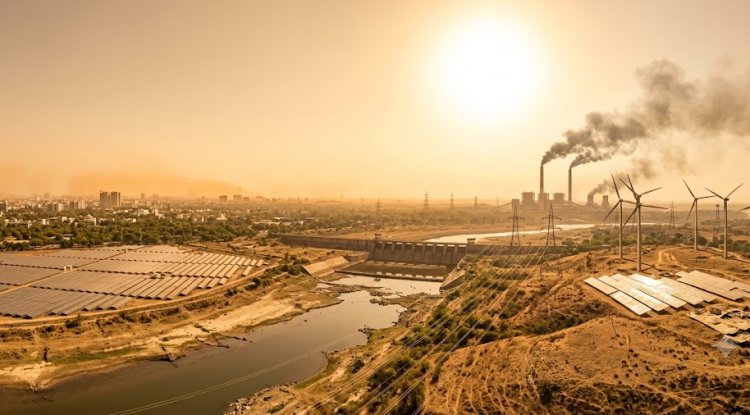
India's power sector could face a major challenge if a Super El Niño develops, as extreme weather conditions may reduce renewable electricity generation while driving up demand for cooling. A new report by the Centre for Research on Energy and Clean Air (CREA) warns that such a climate event could force the country to rely more heavily on coal-fired power plants, potentially slowing its clean energy transition.
According to the study, a severe Super El Niño event could result in an electricity shortage of nearly 18 TWh within one year due to reduced production from renewable energy such as hydropower and wind power energy coupled with increased consumption during extreme heat waves. As a solution to cover the excess consumption, India will need to produce approximately 17.7 TWh of extra electricity through burning coal, thus releasing almost 17 million tons of extra CO₂ into the atmosphere.
The Super El Niño refers to the highly potent form of the naturally occurring climatic occurrence that heats up the waters of the Pacific Ocean. Although it takes place miles away from India, it might impact the weather conditions in India to a great extent. It is expected to bring about higher temperatures, unstable rainfall, weak monsoons, and prolonged droughts, all of which could hinder the process of generating renewable energy. Reduced water levels in dams could decrease hydro power generation, whereas altered wind conditions could impact wind energy production.
This report shows that the electricity demand will rise owing to the use of air conditioners by homes, offices, and industries as an adaptation measure to the rising temperatures. The urban areas will experience a greater demand for peak electricity supply.
While India has made remarkable progress in renewable energy resources recently, however, it has been stated by the experts that presently India does not have sufficient battery energy storage or flexibility in its electricity network so that the maximum benefits can be reaped from renewable energy in case of fluctuating generation. This is because solar energy is not able to meet the requirements during the evening period as it gets useless after sunset and there is no alternative to it.
The CREA report also notes that India is among the countries most vulnerable to the energy impacts of a Super El Niño because of its fast-growing electricity demand and dependence on weather-sensitive renewable sources. Without adequate preparation, climate-driven disruptions could increase fuel costs, put additional strain on coal supplies, and make it more difficult to achieve emissions reduction targets.
It is believed that efforts to improve the reliability of the transmission network, build up batteries, manage the demand, and add renewable energy sources will play an important role in the reduction of reliance on coal in times of extreme weather conditions. This will not only allow the grid to become more reliable but also will help India stick to its target of generating 500 GW of non-fossil fuels by 2030 and becoming carbon-neutral by 2070.
While coal is expected to remain a crucial backup source in the near term, the study emphasises the importance of having robust and sustainable energy infrastructure now to make sure that India’s power sector is prepared to withstand any climate risks in the future.
What's Your Reaction?