The Supreme Court has mandated that Delhi’s private discoms recover ₹27,200 crore in regulatory assets within three years to prevent consumer tariff shocks.
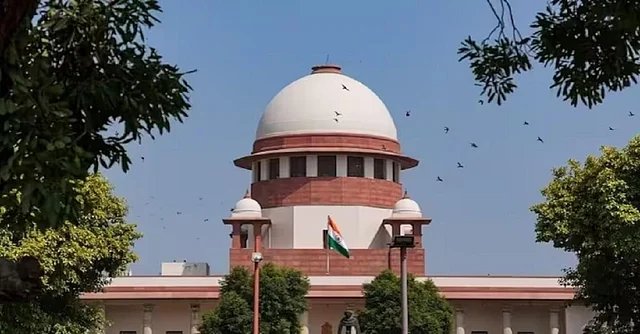
The Supreme Court has ordered Delhi’s private discoms to recover ₹27,200 crore in regulatory assets within three years, aiming to protect consumers from tariff hikes.
On 6 August 2025, the Supreme Court directed Delhi’s three private electricity distribution companies—BSES Rajdhani Power Ltd (BRPL), BSES Yamuna Power Ltd (BYPL), and Tata Power Delhi Distribution Ltd (TPDDL)—to recover ₹27,200.37 crore in regulatory assets within three years, starting April 2024. These assets, representing revenue shortfalls from past tariff orders, total ₹12,993.53 crore for BRPL, ₹8,419.14 crore for BYPL, and ₹5,787.70 crore for TPDDL as of March 2024.
Regulatory assets arise when distribution companies cannot recover costs through current tariffs, deferring recovery to future years. The court ruled that such assets should not exceed 3% of the Annual Revenue Requirement (ARR) and must be liquidated within three years to avoid burdening consumers with sudden tariff increases. The verdict followed petitions against the Delhi Electricity Regulatory Commission’s (DERC) orders, which led to the revenue gap’s growth.
The court emphasized that electricity is a public good, requiring equitable distribution under constitutional mandates. It criticized unchecked regulatory assets as a “regulatory failure” that disproportionately affects consumers. The DERC must now provide clear recovery roadmaps, audit delays, and account for carrying costs. The Appellate Tribunal for Electricity will monitor compliance. The ruling aligns with India’s broader energy goals, as seen in sustainable initiatives like JSW Energy’s Kutehr project.
Public sentiment on X shows concern over potential tariff hikes, with calls for better regulatory oversight. The judgment ensures cost-reflective tariffs while protecting consumers, but implementation challenges, such as auditing and compliance, remain. Delhi’s power sector, reliant on private discoms, serves over 10 million consumers, making timely recovery critical.
In conclusion, the Supreme Court’s directive to clear ₹27,200 crore in discom dues within three years balances consumer protection with financial recovery. Effective regulatory oversight will be key to achieving equitable and sustainable power distribution in Delhi.
Source: Outlook Business
What's Your Reaction?