Sustainability Is No Longer A Choice But An Expectation: Manglam Group’s Amrita Gupta
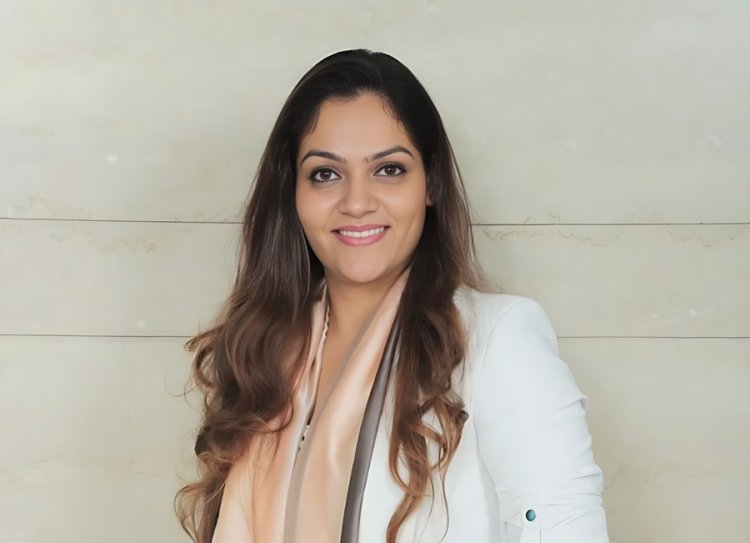
In an email interview with ResponsibleUs, Amrita Gupta, Director of Manglam Group, spoke about how sustainability redefining the future of hospitality development in India and more
How is sustainability redefining the future of hospitality development in India, particularly in Tier 2 and 3 cities?
Sustainability is no longer a choice but an expectation, and more so for people residing in Tier 2, 3, and 4, where infrastructure is evolving along with growing expectations. The hospitality industry is transitioning to meet global standards while remaining sensitive to local ecosystems.
We at Manglam Group believe responsible tourism starts with responsible construction. Our collaboration with Westin is a testimony to eco-friendly luxurious design, biophilic luxury, and streamlined systems to Tier 2 markets such as Jaipur. Villa Nafs, nestled in the Aravallis, echoes a similar belief system. It is designed to harmonise with nature and is equipped with rainwater harvesting, solar energy, smart lighting, sustainable materials and landscaping that is focused on biodiversity. These projects demonstrate how hospitality can catalyse transformation, not just through the guest experience, but also through long-term sustainability and lower operational footprints.
In real estate, how do you balance commercial viability with sustainable construction practices?
The balance between sustainability and commercial viability is achieved by recalibrating the focus on long-term value instead of initial costs. Sustainable construction doesn't necessarily cost more, but it's about making informed choices of materials and design, which are both economical and sustainable. We accomplish this by employing passive architectural methods as well as smart master planning and by using efficient, locally sourced and locally produced materials. These strategies decrease the carbon footprint and result in lower operational costs over time, which results in improved energy efficiency, less maintenance, and a higher asset value. Sustainability ultimately adds durability, efficiency, and credibility to a project, making it commercially wise and environmentally sound.
How are homebuyers and investors responding to sustainable real estate projects today?
Young homebuyers and seasoned investors are increasingly prioritising projects that demonstrate long-term value through sustainable development. Features such as energy efficiency, wellness-focused design, and recognised green certifications are now central to decision-making. Our project, Villa Nafs is a true testament to these evolving preferences, and you can find many practical and thoughtful additions in this project, like solar panels, energy-efficient fixtures, and environmentally responsible construction methods. We are currently at a juncture where investors recognise the potential of sustainable construction. People have started realising that these buildings offer dual benefits - lower maintenance costs and better appreciation over time. We are at an interesting junction, where we are witnessing a broader mindset change, with sustainability being embraced as a strategic investment rather than an additional expense.
What are some sustainable interior design principles that you prioritise across projects?
Sustainable design must be integrated into every stage of development, beginning from the planning phase. At Mangalm, we prioritise the use of locally sourced materials that have low-emission levels. Another important criterion for us is to ensure that our raw materials are both durable and timeless. Every design element is carefully considered to serve a sustainable and functional purpose, whether through modular layouts, versatile furniture, or thoughtful space optimisation. In our view, the most effective way to embed sustainability is by maximising natural ventilation and daylight, and by incorporating energy-efficient lighting and appliances to significantly lower a building's environmental footprint. Our objective is to create interiors that are not only aesthetically pleasing but also enhance the natural environment and support the well-being of those who live and work within them.
How do developers and designers influence the move to treat sustainability as a lasting standard in the industry and not a mere trend?
As our cities and communities evolve, the spaces we create have a lasting impact on how people live, work, and connect. Developers and designers today hold greater influence than ever before, with a responsibility to shape a future that goes beyond surface-level beauty or immediate costs. True leadership in this space means weaving sustainability into every phase, right from planning and design to execution and daily operations.
At Manglam, we incorporate sustainable thinking from the ground up, be it through using environmentally friendly products, energy-efficient equipment or designing for long-term sustainability and flexibility. In doing so, we shape not just consumer preferences but also industry expectations. Our decisions create a ripple effect pushing the supply chain toward better practices and helping customers understand the true value of sustainable development. It is ultimately our collective decisions today that will determine whether sustainability remains a buzzword or something that we take into the future.
What's Your Reaction?