Tetra Pak has advanced its sustainability efforts in the US and Canada with new recycling facilities, water-saving production technologies, and a significant reduction in greenhouse gas emissions. The company aims for net-zero emissions by 2030 while supporting employee wellbeing and safe food delivery.
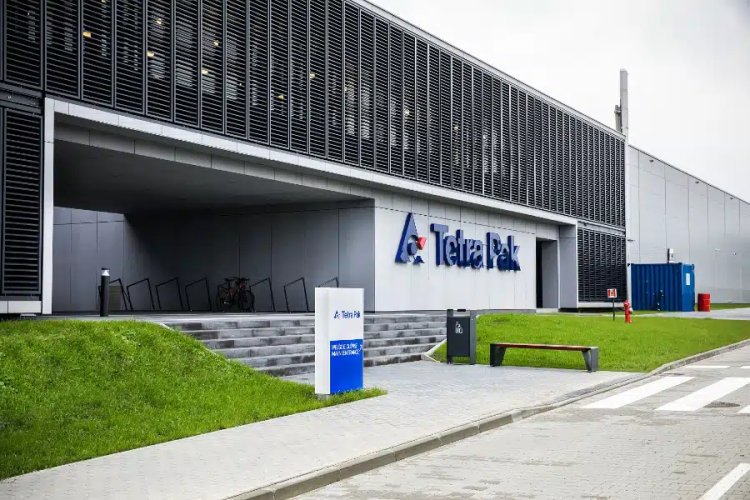
Revealing notable success in its sustainability efforts throughout Canada and the United States, Tetra Pak has strengthened its dedication to social welfare and environmental accountability. These changes support the just-published 2024 Sustainability Report of the business, which highlights significant greenhouse gas emissions reductions and creative recycling and manufacturing technology investments.
A significant advancement is the introduction of UPFACTORY California, a new recycling facility meant to process roughly 1.5 million pounds of carton material every month. By turning old cartons into environmentally friendly construction materials, this facility supports the ideas of the circular economy in the packaging industry and aids in waste reduction. Reflecting Tetra Paks attempts to lengthen the lifespan of its goods beyond their first application, this program promotes local sustainability infrastructure.
Furthermore, Tetra Pak has brought Tetra Pak Direct UHT (Ultra High Temperature) technology to its Canadian and American operations. This process lowers resource use while raising manufacturing efficiency. Compared to traditional methods, the new approach reduces fresh water use by around 6% during manufacturing, therefore supporting the company's more general aims of energy and water conservation.
At the Denton, Texas converting plant, the business has also grown its manufacturing capacity to satisfy rising demand by means of greater output. In addition to these operational improvements, Tetra Pak has sharpened its emphasis on diversity and employee wellbeing. Investments in the Core Wellbeing programme help to support mental health and physical wellness among employees while the ElevateHER employee resource group promotes connection and empowerment among women in the workplace.
As a guiding idea, Seth Teply, president and CEO of Tetra Pak US and Canada, stresses the company's strong dedication to sustainability. Beyond financial objectives, he points out that the company seeks to safeguard food safety, human health, and the environment.
Highlights from the company's 2024 Sustainability Report show a 25% decrease in greenhouse gas emissions across Tetra Paks whole value chain from 2019. This number shows a five-percentage-point increase from the prior year. The business has cut emissions by a still more remarkable 54% within its own activities since 2019. Renewable sources now account for 94% of the energy used in these activities. With these accomplishments, Tetra Pak is on track to achieve net-zero emissions in its own operations by 2030.
Tetra Pak further emphasizes that its environmental progress is closely associated with the socio-economic advancements it makes from improving livelihoods and economies, to ensuring safe food availability globally. Tetra Pak believes that sustainability cannot be separated from its business mission of providing safe food products while protecting the global environment.
Overall, this recent undertaking by Tetra Pak shows comprehensive sustainability objectives that includes technological innovations, optimizing operational efficiencies, reducing waste, and investing in its employees. These initiatives demonstrate the company's initiative to be a leader in responsible packaging methods and manufacturing processes.
Recognizing that environmental problems are advancing around the world, companies such as Tetra Pak are critical to establishing new industry standards in sustainable practices. A leader in providing and promoting recycling infrastructure, water conservation, energy efficiency, and positive employee well-being, Tetra Pak reduces its environmental footprint and contributes positively to the social fabric of the local communities in which it is operating.
This success is a noteworthy example of how multinational companies can embed sustainability into its’ core business activities. Tetra Pak is setting out to build on its success and inspiring the packaging industry and beyond through transparency and continued information exchange.
What's Your Reaction?