Thousands Still Isolated as Floodwaters Recede in Eastern Australia
Tens of thousands remain isolated in New South Wales, Australia, as floodwaters gradually recede after record-breaking rainfall. Authorities estimate 10,000 properties have been damaged, with ongoing relief efforts in progress.
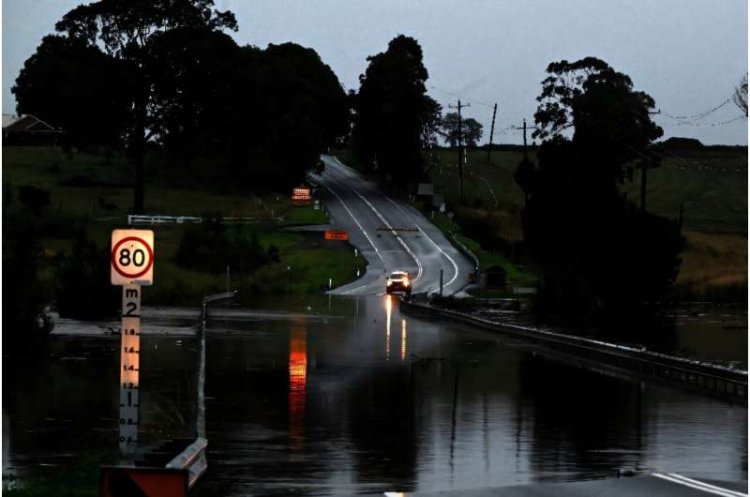
Floodwaters are gradually subsiding across New South Wales (NSW), eastern Australia, following several days of heavy rainfall that led to significant flooding across the region. Emergency services and local authorities are now shifting their focus to damage assessment and the delivery of essential supplies to affected communities, many of which remain cut off.
The prolonged downpours triggered by an extreme weather system have left widespread devastation, especially in central and northern NSW. An estimated 10,000 properties have been damaged, while around 50,000 people remain impacted due to isolation or infrastructure damage. Power outages continue to affect thousands as authorities work to restore essential services.
Despite an easing in rainfall, more than 20 emergency warnings remain active, particularly in areas that were hit hardest. The flooding has led to significant logistical challenges, with many roads rendered impassable due to water damage or debris. The state’s emergency services are using a combination of ground, air, and water transport to deliver critical resources, including food, water, and medical supplies, to communities that remain inaccessible by road.
The flooding has so far claimed five lives. The most recent fatality was reported near Taree, one of the worst-affected towns, where the body of a man in his 80s was discovered on a flooded property. Emergency response teams have conducted more than 600 rescues since the beginning of the crisis, underscoring the intensity of the situation.
Australian Prime Minister Anthony Albanese acknowledged the severity of the disaster and the continuing risks, noting that efforts are ongoing across federal, state, and local levels to support recovery. However, treacherous conditions prevented the Prime Minister from visiting some of the worst-hit areas, including Taree.
The storms brought record-breaking rainfall to many regions, with the Bureau of Meteorology confirming that more than six months’ worth of rain fell within just three days. This extreme weather event resulted in flash flooding, river overflows, and infrastructure damage, further complicating the response and recovery process.
NSW Premier Chris Minns praised emergency personnel for their rapid and courageous efforts, noting that their actions prevented a significantly higher death toll. Their swift interventions in hundreds of high-risk situations helped avoid further tragedy and ensured essential aid reached those in dire need.
Authorities are warning the public to avoid travelling through floodwaters and to remain vigilant. Motorists are particularly urged to refrain from attempting to cross flooded roads, a recurring risk factor in flood-related incidents. In addition to the dangers of moving water, stagnant floodwaters now pose new risks including waterborne diseases, contamination, and the presence of vermin and snakes that may have entered homes and shelters.
While the situation is slowly stabilising, experts stress that the long-term impacts of such disasters are becoming increasingly concerning. Though attributing a single event directly to climate change remains complex, scientific consensus indicates that rising global temperatures are contributing to more frequent and intense weather phenomena, such as the floods currently affecting NSW.
Relief and recovery operations are expected to continue over the coming weeks. Emergency services and government agencies are conducting thorough inspections of flood-affected areas, aiming to restore normalcy and provide long-term assistance to the thousands who have been displaced or remain isolated.
Source and Credits:
This report is based on information provided by AFP and was edited by Andrew Zinin. © 2025 AFP. All rights reserved.
What's Your Reaction?