Trump administration reaches $765M deal with Invenergy to end offshore wind leases and redirect energy investments.
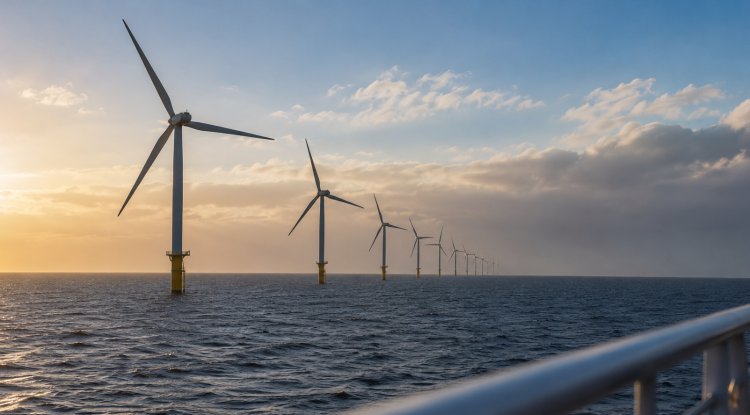
The Trump administration has reached a $765 million settlement with Invenergy affiliates to cancel four offshore wind leases. This marks a notable change in U.S. energy policy. The agreements cover projects in the New York Bight, California’s Central Coast, and the Gulf of Maine. The funds will now support domestic energy projects.
The settlement includes important terms related to offshore wind, renewable energy, natural gas, geothermal power, and U.S. energy policy. It reflects the administration’s focus on energy security, affordability, and quicker development of power infrastructure.
Federal Settlement Ends Offshore Wind Lease Commitments
The U.S. Department of the Interior announced the settlement agreements with Invenergy affiliates, allowing for the voluntary termination of four offshore wind leases. The combined value of these leases is $765 million, which will now redirect towards other energy projects across the country.
The affected offshore wind areas include the New York Bight, the Central Coast of California, and the Gulf of Maine. The administration stated that the decision fits its Energy Dominance Agenda and aims to prioritize energy projects that can quickly deliver power and meet domestic energy needs.
This settlement comes as the debate over the future of offshore wind development in the U.S. continues. Projects have faced challenges like rising costs, supply chain issues, permitting delays, and financing worries.
Investment Shift Towards Gas and Geothermal Projects
As part of the agreement, Invenergy plans to invest the redirected funds into domestic energy infrastructure, including natural gas-fired power plants in Indiana, Wisconsin, Iowa, Kansas, and Missouri.
The company will also direct money towards geothermal power projects in the western United States. This shift points to a broader move towards energy sources that federal officials see as reliable and capable of meeting increasing electricity demand.
The Interior Department stated that this settlement would lower the financial risks tied to offshore wind leases and support projects aimed at providing a long-term energy supply. Officials noted the need for more power capacity as electricity demand rises due to data centers, manufacturing growth, and industrial expansion.
Administration Links Decision to Energy Security
The Trump administration described the settlement as part of a larger effort to reshape U.S. energy priorities. Officials argued that energy investments should focus on affordability, reliability, and national security.
Interior Secretary Doug Burgum mentioned that the previous assumptions about some offshore wind projects no longer matched current federal priorities. The administration has criticized offshore wind subsidies and questioned the feasibility of some developments.
The Department of Justice also backed the agreement, stating that shifting investments toward natural gas infrastructure would enhance energy affordability and security.
Invenergy Highlights Market Demand
Invenergy stated that the decision aligns with its goal of putting money into projects that can meet increasing electricity demand within reasonable timelines.
Daniel Runyan, Senior Vice President for Development at Invenergy, said the company will keep exploring new opportunities as market conditions change, while focusing investments on projects that meet customer needs.
The company’s strategy mirrors a growing industry trend of balancing energy reliability, investment timelines, and market demand.
Offshore Wind Sector Faces New Uncertainty
The settlement has raised uncertainty for offshore wind developers and investors in the U.S. market. The sector is already dealing with financial challenges from higher construction costs, changing economic conditions, and difficulties in securing long-term project agreements.
The decision may affect future offshore wind investments, as companies are likely to reassess risks associated with federal policies, permitting processes, and project economics.
However, the push for geothermal projects shows ongoing interest in low-carbon energy sources that can provide steady power generation. Clean energy technologies are gaining attention as governments look for alternatives that complement variable renewable sources like wind and solar.
Energy Policy Direction Continues to Shift
This agreement underscores a broader change in U.S. energy strategy, with federal priorities moving towards projects seen as capable of delivering reliable electricity at competitive prices.
While offshore wind is still part of the global energy transition, the settlement highlights the challenges governments face in balancing emissions goals with energy affordability, grid reliability, and economic factors.
The long-term impact of this decision will depend on how energy markets, state policies, and private investments respond to the new federal approach.
What's Your Reaction?